
Politics
Illinois Seeks Tariff Refunds as Supreme Court Declares Them Unlawful

The recent ruling by the U.S. Supreme Court deemed certain tariffs imposed by the administration as unlawful, prompting calls for refunds to impacted businesses. Illinois Governor JB Pritzker has proposed that approximately $1,700 be refunded to each household in the state, amounting to a total of around $8.7 billion. He argues that families effectively paid an illegal tax through increased prices and warrant direct compensation.
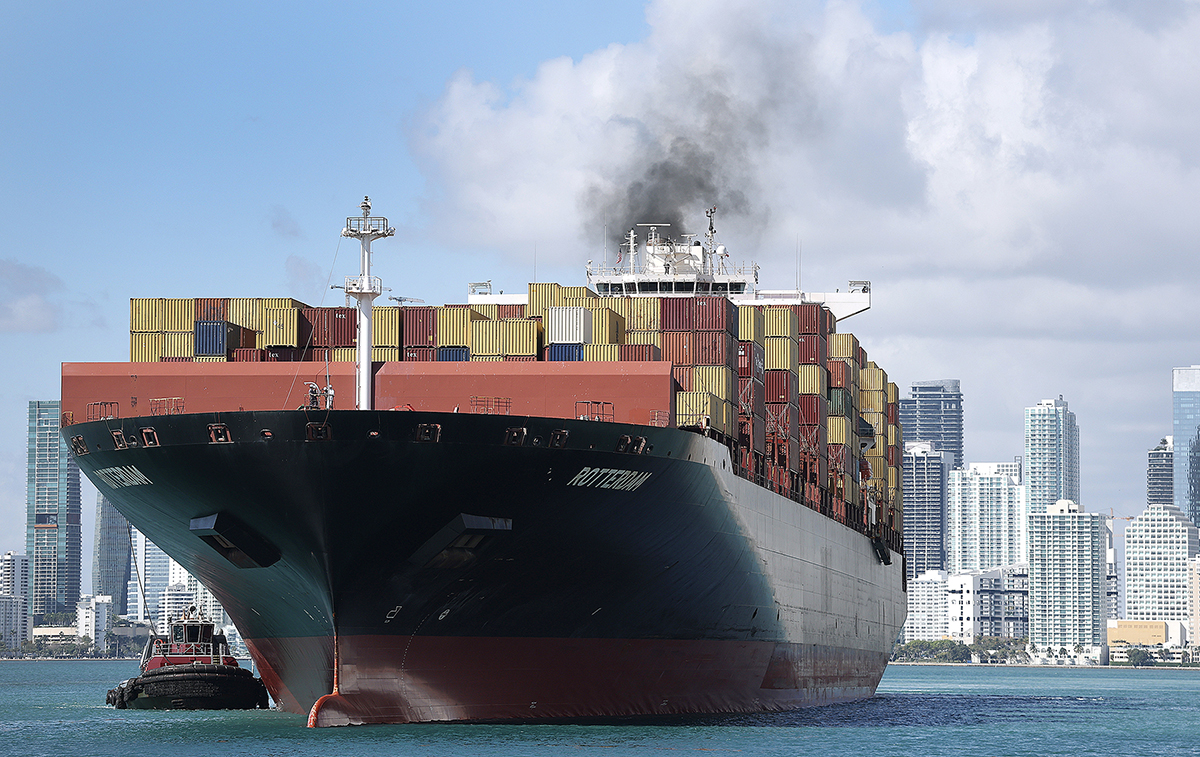
While the idea of distributing refunds appears appealing, it misrepresents the mechanics of tariffs and their economic implications. Tariffs are not paid directly by consumers at retail outlets. Instead, they are assessed at the border, with the importer of record—often small businesses, manufacturers, and retailers—responsible for paying the tariffs upfront. This structure is pivotal to understanding the financial repercussions of the Supreme Court’s ruling.
When the Court invalidated these tariffs, the initial financial burden fell on the importers who were compelled to pay. The aftermath of those payments varied significantly among businesses. Some absorbed the costs to maintain customer loyalty, while others transferred expenses to consumers, resulting in price hikes that often exceeded the tariff amount. Additionally, many businesses faced increased working capital needs, as tariffs must be settled before products can be sold, leading to tighter cash flow and potential borrowing.
Compounding the complexities, there is no uniform “pass-through” rate for tariffs. Different businesses experienced distinct impacts based on their strategies and market positions. For instance, a small Illinois importer that paid tariffs in September might have curtailed hiring, reduced bonuses, or limited inventory as a response to the unexpected costs. Even if they raised prices slightly, they could have lost sales, resulting in missed growth opportunities.
Determining how to refund these tariffs presents challenges. Questions arise about compensating for unfulfilled raises, bonuses that never materialized, or investments that were postponed. Refunds directed to households rather than to the importers would neglect the businesses that initially bore the costs, leaving them at a financial disadvantage while the state distributes checks based on broad estimates.
To address these issues fairly, tariff refunds should follow the legal payment trail back to the importers. This approach respects the economic realities faced by these businesses and acknowledges that each company’s situation is unique. Importers could then manage refunds according to their contractual obligations and customer relationships. Some might choose to pass on refunds directly, while others may reinvest in their operations or adjust pricing strategies.
The economic repercussions of these tariffs extend beyond simple refunds. Businesses often incurred additional brokerage fees and faced increased borrowing costs. The broader impacts, such as slowed hiring, delayed raises, and reduced investments, cannot be neatly quantified or refunded. Yet, there exists a clear legal principle: funds unlawfully collected should be returned to the party that paid them.
Illinois is home to numerous small businesses reliant on imports, many of which operate on narrow margins. For these enterprises, tariff refunds represent vital working capital, payroll, and inventory rather than a financial windfall. Ensuring that these refunds reach the businesses that were legally obligated to pay the tariffs is crucial for their recovery and future growth.
This discussion is not about prioritizing corporations over consumers; it is about adhering to the legal framework governing tariff collections and recognizing the economic realities that followed. If policymakers wish to consider broader consumer relief or tax rebates, that would be a separate matter.
In conclusion, while Governor Pritzker rightly asserts that unlawfully collected funds should be returned, the mechanism for doing so must respect the legal and economic landscape. Refunds should be directed to the importers who actually paid the tariffs, allowing them to determine the best course of action based on their circumstances. Anything less could lead to misleading narratives and further economic complications.
About the author: Sara Albrecht is a Chicago resident and chair of the Liberty Justice Center, a non-profit, nonpartisan public-interest law firm. She recently succeeded in the U.S. Supreme Court case Trump v. V.O.S. Selections, which invalidated the unconstitutional “Liberation Day” tariffs.

Philadelphia Parks Launch Free Earth Month Events Starting April 1

Bradford’s Fish Fry Fridays Serve Community with Delicious Dinners

Trump Faces Growing Challenges Amid Rising Tensions with Iran

Scientists Probe the Universe’s Missing Topological Defects

Samsung Galaxy Watch 9 to Feature Larger 435mAh Battery

UConn Huskies Aim to Defend Title in 2026 NCAA Women’s Tournament

U.S. Littoral Combat Ships Dock in Malaysia Amid Regional Tensions

Healthy Choice Wellness Reports Quarterly Earnings, Shares Rise

Urgent News: Charles M. Payment Passes Away at 78 in Duluth

University of Hawaiʻi Joins $25.6M AI Project to Enhance Disaster Monitoring

Major Grant Enhances Cancer Care and Research in Hawaiʻi

Joleen Chaney, Beloved Journalist, Passes Leaving Lasting Legacy

San Francisco’s SFO to Welcome 16 Airlines with Nonstop Flights to Europe in 2026

Goldman Sachs Unveils 2026 Catalyst Playbook for Biotech Investors

Discover Top Business Smartphones for Professionals in 2026

Urgent Update: Tom Aspinall’s Vision Deteriorates After UFC 321

Texas Roadhouse Honors Veterans with Free Meal Vouchers

CD Projekt Red Confirms No Release for The Witcher 4 in 2026
-
Science9 months ago
University of Hawaiʻi Joins $25.6M AI Project to Enhance Disaster Monitoring
-
 Health8 months ago
Major Grant Enhances Cancer Care and Research in Hawaiʻi
-
 Top Stories9 months ago
Joleen Chaney, Beloved Journalist, Passes Leaving Lasting Legacy
-
 World7 months ago
San Francisco’s SFO to Welcome 16 Airlines with Nonstop Flights to Europe in 2026
-
 Business8 months ago
Goldman Sachs Unveils 2026 Catalyst Playbook for Biotech Investors
-
 Business7 months ago
Discover Top Business Smartphones for Professionals in 2026
-
 Top Stories9 months ago
Urgent Update: Tom Aspinall’s Vision Deteriorates After UFC 321
-
 Lifestyle9 months ago
Texas Roadhouse Honors Veterans with Free Meal Vouchers
-
 Entertainment8 months ago
CD Projekt Red Confirms No Release for The Witcher 4 in 2026
-

 Top Stories10 months ago
AI Disruption: AWS Faces Threat as Startups Shift Cloud Focus
-

 Health10 months ago
MIT Scientists Uncover Surprising Genomic Loops During Cell Division
-

 Entertainment10 months ago
Discover the Full Map of Pokémon Legends: Z-A’s Lumiose City