
Politics
North Carolina Commissioner Urges Trump to Deny Lindberg Pardon

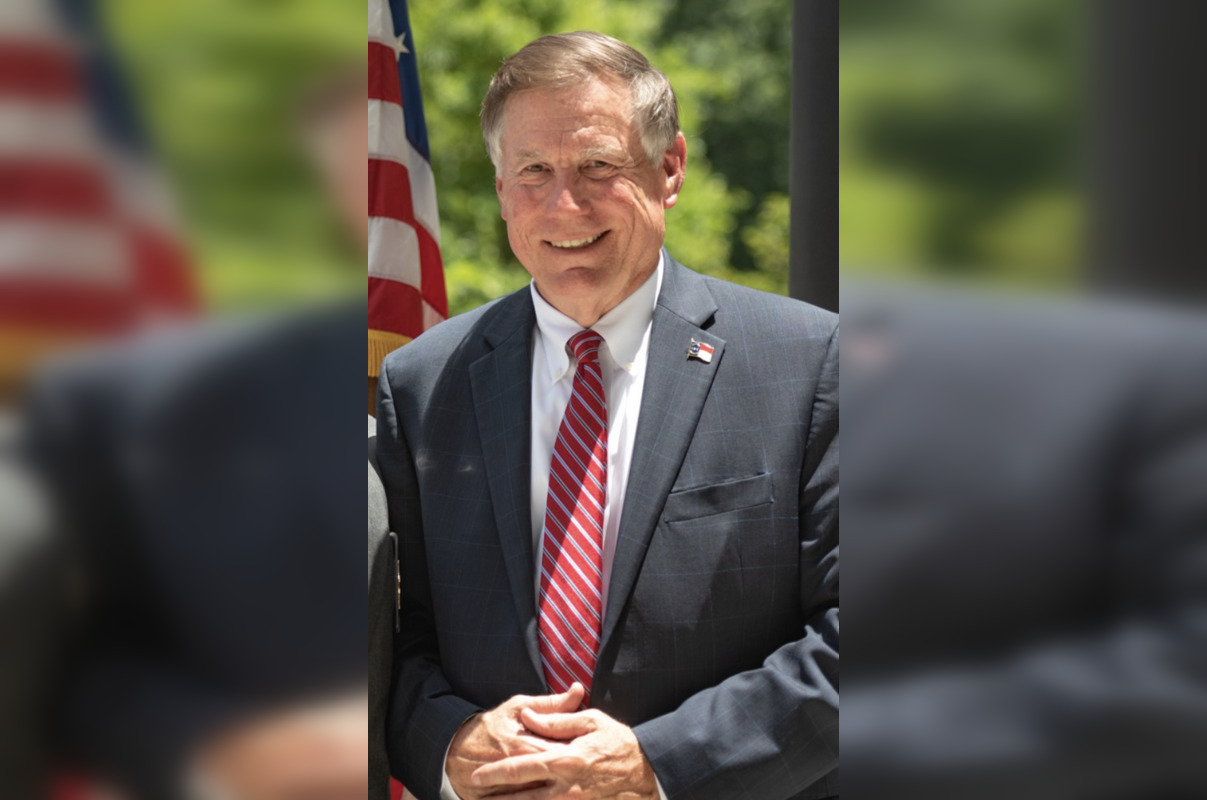
North Carolina Insurance Commissioner Mike Causey has formally requested that President Donald Trump refrain from granting a presidential pardon to businessman Greg Lindberg. In a letter released by his office, Causey articulated his opposition, emphasizing the serious implications of Lindberg’s actions within the state’s insurance sector.
In his statement, Commissioner Causey highlighted that Lindberg’s conduct was neither incidental nor technical. The case against Lindberg stems from an extensive investigation by the FBI that lasted 18 months. This investigation included recorded conversations in which Lindberg allegedly attempted to bribe Causey to sway regulatory oversight in his favor. Causey asserted that such actions were designed to serve Lindberg’s personal interests while undermining critical regulatory processes intended to protect the public.
The evidence supporting the case against Lindberg is substantial, according to Causey. He pointed out that the recordings were made during the investigation, thoroughly examined, and ultimately upheld in federal court. The commissioner noted that Lindberg’s actions involved attempts to influence public officials and disrupt regulatory systems that safeguard policyholders, retirees, and working families.
Concerns Over Accountability and Public Integrity
Causey’s letter marks a rare instance of a state insurance commissioner directly addressing the president regarding the potential use of presidential pardon authority. His request underscores the importance of maintaining accountability in matters that could significantly impact regulatory oversight and the financial well-being of citizens.
As developments unfold, the focus remains on the White House regarding its response to this request. Any decision made by President Trump on this matter will not only reflect his administration’s approach to the use of presidential pardon power but may also have broader implications for public trust in the justice system and regulatory integrity.
In a political landscape where the boundaries of accountability are often tested, Causey’s intervention highlights the vital role of public officials in advocating for the interests of their constituents. The outcome of this situation is likely to resonate well beyond North Carolina, drawing attention to the intricate connections between business practices, regulatory frameworks, and the safeguarding of public interest.

Philadelphia Parks Launch Free Earth Month Events Starting April 1

Bradford’s Fish Fry Fridays Serve Community with Delicious Dinners

Trump Faces Growing Challenges Amid Rising Tensions with Iran

Scientists Probe the Universe’s Missing Topological Defects

Samsung Galaxy Watch 9 to Feature Larger 435mAh Battery

UConn Huskies Aim to Defend Title in 2026 NCAA Women’s Tournament

U.S. Littoral Combat Ships Dock in Malaysia Amid Regional Tensions

Healthy Choice Wellness Reports Quarterly Earnings, Shares Rise

Urgent News: Charles M. Payment Passes Away at 78 in Duluth

University of Hawaiʻi Joins $25.6M AI Project to Enhance Disaster Monitoring

Major Grant Enhances Cancer Care and Research in Hawaiʻi

Joleen Chaney, Beloved Journalist, Passes Leaving Lasting Legacy

San Francisco’s SFO to Welcome 16 Airlines with Nonstop Flights to Europe in 2026

Goldman Sachs Unveils 2026 Catalyst Playbook for Biotech Investors

Discover Top Business Smartphones for Professionals in 2026

Urgent Update: Tom Aspinall’s Vision Deteriorates After UFC 321

Texas Roadhouse Honors Veterans with Free Meal Vouchers

CD Projekt Red Confirms No Release for The Witcher 4 in 2026
-
Science9 months ago
University of Hawaiʻi Joins $25.6M AI Project to Enhance Disaster Monitoring
-
 Health8 months ago
Major Grant Enhances Cancer Care and Research in Hawaiʻi
-
 Top Stories9 months ago
Joleen Chaney, Beloved Journalist, Passes Leaving Lasting Legacy
-
 World7 months ago
San Francisco’s SFO to Welcome 16 Airlines with Nonstop Flights to Europe in 2026
-
 Business8 months ago
Goldman Sachs Unveils 2026 Catalyst Playbook for Biotech Investors
-
 Business8 months ago
Discover Top Business Smartphones for Professionals in 2026
-
 Top Stories9 months ago
Urgent Update: Tom Aspinall’s Vision Deteriorates After UFC 321
-
 Lifestyle9 months ago
Texas Roadhouse Honors Veterans with Free Meal Vouchers
-
 Entertainment8 months ago
CD Projekt Red Confirms No Release for The Witcher 4 in 2026
-

 Top Stories10 months ago
AI Disruption: AWS Faces Threat as Startups Shift Cloud Focus
-

 Health10 months ago
MIT Scientists Uncover Surprising Genomic Loops During Cell Division
-

 Entertainment10 months ago
Discover the Full Map of Pokémon Legends: Z-A’s Lumiose City