
Politics
Pro-China Groups Mobilize Against US Strikes on Iran

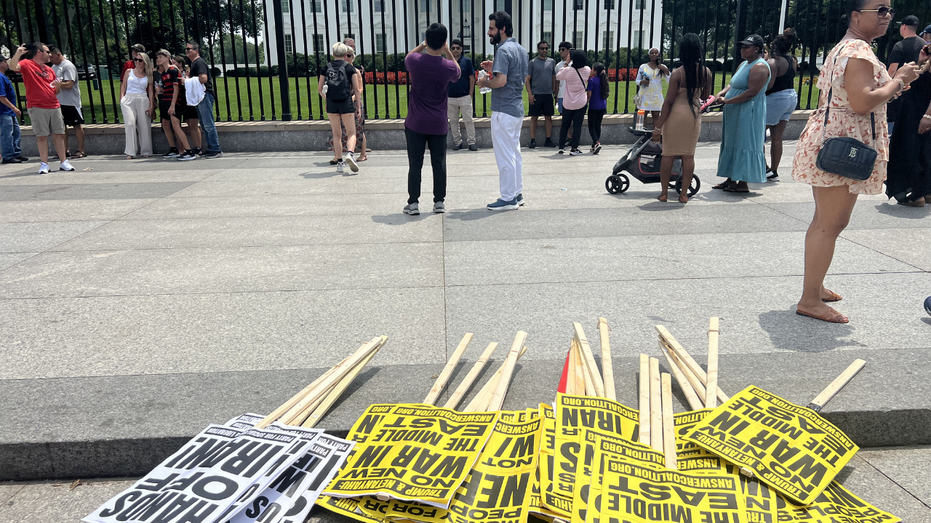
As the United States and Israel launched joint military strikes targeting nuclear and military sites in Iran, a network of organizations, reportedly funded by pro-China tech tycoon Neville Roy Singham, quickly mobilized protests across American cities. The coordinated response came just minutes before President Donald Trump officially announced the attacks on February 28, 2026.
At 2:34 a.m. ET, the ANSWER Coalition, a nonprofit group known for its leftist ideology, declared an “EMERGENCY NATIONWIDE DAY OF ACTION” to protest the strikes. This announcement came shortly before Trump confirmed the military operations in a video posted at 2:44 a.m., stating, “A short time ago, the United States military began major combat operations in Iran.” Within minutes, the People’s Forum, a New York-based activist group also linked to Singham, called for a protest in Times Square.
The rapid mobilization of these groups reflects a broader strategy to challenge U.S. foreign policy narratives. The messaging from these organizations framed the military actions as an “unprovoked, illegal bombing of Iran,” echoing sentiments commonly expressed by adversaries of the United States. The coalition included groups like the National Iranian American Council, American Muslims for Palestine, and CodePink, all of whom have historically supported the Iranian regime.
This network has demonstrated a capacity to respond quickly during significant national security events. For instance, they previously organized protests in support of Venezuelan leader Nicolás Maduro after his arrest by U.S. authorities. A recent report from the U.S. State Department highlighted concerns over these organizations, noting that they often “denigrate the United States” while receiving funding from a donor network with ties to the Chinese Communist Party.
Protests Erupt Across the Nation
By 4:31 a.m., the BreakThrough News, another organization affiliated with Singham, promoted the planned protests as “BREAKING” news. This network has a history of coordinating with the ANSWER Coalition and other leftist groups to amplify their messages. As the morning unfolded, demonstrations began to spread to 16 cities, including Washington, D.C., Boston, and Los Angeles, with participants using social media to circulate graphics and engage local chapters.
At 7:19 a.m., BreakThrough News circulated a video alleging a U.S. strike on a school, which was quickly amplified by the protest network to portray the U.S. as an aggressor. The U.S. government has not yet responded to these specific claims. By 9:09 a.m., China’s Foreign Ministry called for an end to the strikes, using language that mirrored the rhetoric of the American protest groups, emphasizing Iran’s “sovereignty” and “territorial integrity.”
These protests not only showcased immediate dissent against U.S. actions but also highlighted a persistent narrative of anti-imperialism that links various social justice movements. The People’s Forum stated, “This war serves no one but a tiny elite and oil executives,” aligning their message with criticisms of U.S. foreign policy in the Middle East.
International and Domestic Implications
The swift organization of protests reflects the increasing role that international funding and influence play in domestic activism. The People’s Forum and other affiliated groups have successfully mobilized support and created a framework that connects various causes, such as anti-war sentiments and critiques of U.S. immigration policies.
As protests unfolded throughout the day, the actions of these groups raised questions about the influence of foreign interests on American political discourse. The protest infrastructure appeared well-prepared, with organized signage and coordinated messaging, aiming to present a unified front against U.S. military interventions.
In the aftermath of the strikes, the landscape of U.S. activism may shift as these groups continue to leverage events for their causes. The rapid response not only demonstrates their operational capabilities but also points to the complexities of navigating international relations in an increasingly polarized environment.
As the situation develops, it remains to be seen how these protests will influence public opinion and U.S. policy regarding Iran and broader geopolitical dynamics.

Philadelphia Parks Launch Free Earth Month Events Starting April 1

Bradford’s Fish Fry Fridays Serve Community with Delicious Dinners

Trump Faces Growing Challenges Amid Rising Tensions with Iran

Scientists Probe the Universe’s Missing Topological Defects

Samsung Galaxy Watch 9 to Feature Larger 435mAh Battery

UConn Huskies Aim to Defend Title in 2026 NCAA Women’s Tournament

U.S. Littoral Combat Ships Dock in Malaysia Amid Regional Tensions

Healthy Choice Wellness Reports Quarterly Earnings, Shares Rise

Urgent News: Charles M. Payment Passes Away at 78 in Duluth

University of Hawaiʻi Joins $25.6M AI Project to Enhance Disaster Monitoring

Major Grant Enhances Cancer Care and Research in Hawaiʻi

Joleen Chaney, Beloved Journalist, Passes Leaving Lasting Legacy

San Francisco’s SFO to Welcome 16 Airlines with Nonstop Flights to Europe in 2026

Goldman Sachs Unveils 2026 Catalyst Playbook for Biotech Investors

Discover Top Business Smartphones for Professionals in 2026

Urgent Update: Tom Aspinall’s Vision Deteriorates After UFC 321

Texas Roadhouse Honors Veterans with Free Meal Vouchers

CD Projekt Red Confirms No Release for The Witcher 4 in 2026
-
Science9 months ago
University of Hawaiʻi Joins $25.6M AI Project to Enhance Disaster Monitoring
-
 Health8 months ago
Major Grant Enhances Cancer Care and Research in Hawaiʻi
-
 Top Stories9 months ago
Joleen Chaney, Beloved Journalist, Passes Leaving Lasting Legacy
-
 World7 months ago
San Francisco’s SFO to Welcome 16 Airlines with Nonstop Flights to Europe in 2026
-
 Business8 months ago
Goldman Sachs Unveils 2026 Catalyst Playbook for Biotech Investors
-
 Business7 months ago
Discover Top Business Smartphones for Professionals in 2026
-
 Top Stories9 months ago
Urgent Update: Tom Aspinall’s Vision Deteriorates After UFC 321
-
 Lifestyle9 months ago
Texas Roadhouse Honors Veterans with Free Meal Vouchers
-
 Entertainment8 months ago
CD Projekt Red Confirms No Release for The Witcher 4 in 2026
-

 Top Stories10 months ago
AI Disruption: AWS Faces Threat as Startups Shift Cloud Focus
-

 Health10 months ago
MIT Scientists Uncover Surprising Genomic Loops During Cell Division
-

 Entertainment10 months ago
Discover the Full Map of Pokémon Legends: Z-A’s Lumiose City