
Politics
Taiwan’s Political Deadlock Deepens Amid Legislative Dispute

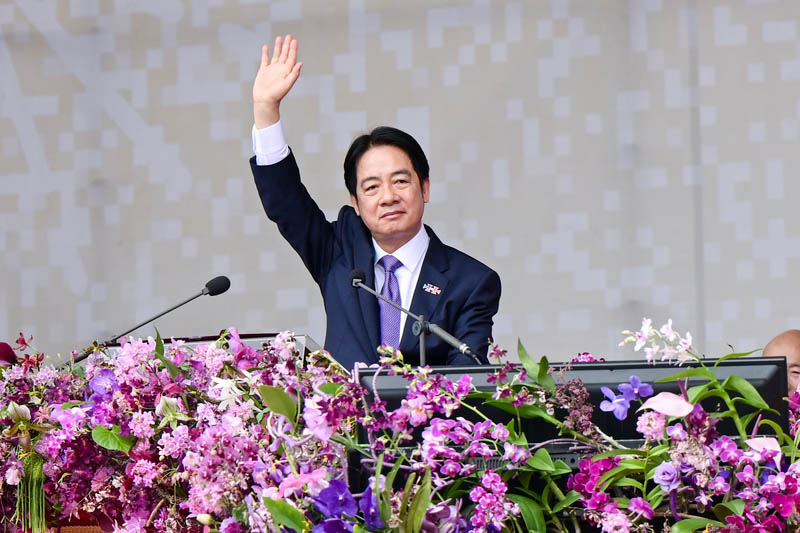
Taiwan is experiencing a significant political deadlock as the ruling administration, led by President Lai Ching-te, has declined to enact amendments to a government spending law that was recently passed by the opposition-controlled legislature. This impasse emphasizes the growing domestic divisions on the island, particularly as it faces increasing military pressure from China.
The proposed amendments involve changes to the Act Governing the Allocation of Government Revenues and Expenditures. These changes would mandate that a larger portion of government revenue be allocated to local governments, a move the executive branch argues jeopardizes fiscal sustainability. President Lai has expressed concerns that the amendments were drafted without adequate consultation and would lead to substantial financial implications.
Specifically, Lai warned that implementing these changes could force the central government to borrow up to NT$563.7 billion (approximately $17.9 billion) in 2026. This would violate the statutory deficit ceiling established by the island’s Public Debt Act, raising questions about the long-term fiscal health of Taiwan’s government.
Concerns Over Fiscal Sustainability
The administration’s refusal to enact the amendments reflects deeper issues regarding governance and fiscal policy in Taiwan. As the island grapples with external threats from China, the need for a cohesive strategy has become increasingly critical. The opposition party argues that the amendments are essential for addressing local fiscal needs, especially during a time of heightened military activity in the region.
Political analysts suggest that the stalemate may hinder the government’s ability to respond effectively to both domestic and international challenges. The situation underscores the complexities of Taiwan’s political landscape, where legislative control and executive authority are often at odds.
Implications for Future Governance
The ongoing deadlock could have far-reaching implications for Taiwan’s governance. If the legislature and executive branch cannot reach a compromise, the island may face difficulties in implementing necessary reforms and responding to fiscal challenges. The situation is further complicated by the backdrop of increasing tensions with China, which has heightened calls for unity among Taiwan’s political factions.
As the political crisis unfolds, the people of Taiwan are left to navigate an uncertain future. With both sides holding firm to their positions, the resolution of this deadlock will be crucial for the stability and governance of the island in the coming years. The political landscape in Taiwan remains precarious, and the actions taken by its leaders will have lasting effects on both local communities and national security.

Philadelphia Parks Launch Free Earth Month Events Starting April 1

Bradford’s Fish Fry Fridays Serve Community with Delicious Dinners

Trump Faces Growing Challenges Amid Rising Tensions with Iran

Scientists Probe the Universe’s Missing Topological Defects

Samsung Galaxy Watch 9 to Feature Larger 435mAh Battery

UConn Huskies Aim to Defend Title in 2026 NCAA Women’s Tournament

U.S. Littoral Combat Ships Dock in Malaysia Amid Regional Tensions

Healthy Choice Wellness Reports Quarterly Earnings, Shares Rise

Urgent News: Charles M. Payment Passes Away at 78 in Duluth

University of Hawaiʻi Joins $25.6M AI Project to Enhance Disaster Monitoring

Major Grant Enhances Cancer Care and Research in Hawaiʻi

Joleen Chaney, Beloved Journalist, Passes Leaving Lasting Legacy

San Francisco’s SFO to Welcome 16 Airlines with Nonstop Flights to Europe in 2026

Goldman Sachs Unveils 2026 Catalyst Playbook for Biotech Investors

Discover Top Business Smartphones for Professionals in 2026

Urgent Update: Tom Aspinall’s Vision Deteriorates After UFC 321

Texas Roadhouse Honors Veterans with Free Meal Vouchers

CD Projekt Red Confirms No Release for The Witcher 4 in 2026
-
Science9 months ago
University of Hawaiʻi Joins $25.6M AI Project to Enhance Disaster Monitoring
-
 Health8 months ago
Major Grant Enhances Cancer Care and Research in Hawaiʻi
-
 Top Stories9 months ago
Joleen Chaney, Beloved Journalist, Passes Leaving Lasting Legacy
-
 World7 months ago
San Francisco’s SFO to Welcome 16 Airlines with Nonstop Flights to Europe in 2026
-
 Business8 months ago
Goldman Sachs Unveils 2026 Catalyst Playbook for Biotech Investors
-
 Business8 months ago
Discover Top Business Smartphones for Professionals in 2026
-
 Top Stories9 months ago
Urgent Update: Tom Aspinall’s Vision Deteriorates After UFC 321
-
 Lifestyle9 months ago
Texas Roadhouse Honors Veterans with Free Meal Vouchers
-
 Entertainment8 months ago
CD Projekt Red Confirms No Release for The Witcher 4 in 2026
-

 Top Stories10 months ago
AI Disruption: AWS Faces Threat as Startups Shift Cloud Focus
-

 Health10 months ago
MIT Scientists Uncover Surprising Genomic Loops During Cell Division
-

 Entertainment10 months ago
Discover the Full Map of Pokémon Legends: Z-A’s Lumiose City