
Politics
Trump Faces Diplomatic Showdown Over Greenland in Davos

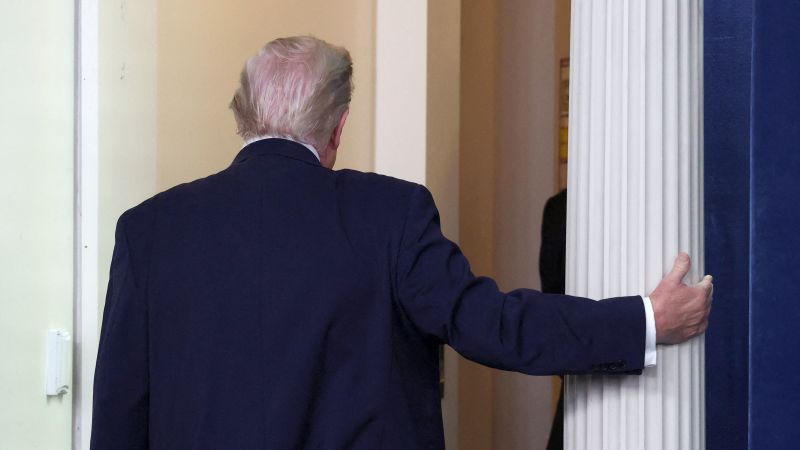
An urgent diplomatic intervention is set to unfold as President Donald Trump arrives in Davos for the annual World Economic Forum. Tensions have escalated following Trump’s aggressive rhetoric regarding Greenland, prompting European officials to strategize on averting a potential crisis that could jeopardize the longstanding alliance between the United States and Europe. According to three sources familiar with the discussions, European leaders view this summit as a crucial opportunity to address the situation.
Trump’s threats to impose tariffs on European allies opposing his ambitions for Greenland have heightened concerns among U.S. allies. In response, European diplomats are exploring various avenues to de-escalate the tension. Their immediate aim is to mitigate the fallout from Trump’s assertive stance while working to redirect his focus away from aggressive acquisition strategies for the Danish territory.
One proposal being considered involves enhancing existing treaties that allow the U.S. to maintain military bases in Greenland. This could be paired with expanded commercial agreements, providing Trump with a diplomatic win to showcase. Another option under discussion is the potential establishment of a Compact of Free Association, akin to treaties with Palau, the Marshall Islands, and the Federated States of Micronesia. Such an agreement would allow Greenland to retain its current status while granting the U.S. additional security access in exchange for financial support.
In addition, discussions have emerged regarding the renegotiation of the 1951 agreement between the U.S., Denmark, and Greenland to explicitly prohibit Chinese investments in the territory. Despite Denmark’s reluctance to cede control, some senior officials within the Trump administration have explored purchasing Greenland outright.
Trump arrived in Davos on January 22, 2020, and expressed optimism about reaching a favorable agreement regarding Greenland, stating, “I think you will be very happy with what we’re doing.” He also suggested that NATO would benefit from U.S. control of the territory, while dismissing protests from Greenlanders as he continued to assert the U.S. need for the island.
NATO’s Secretary General Mark Rutte, who has worked to foster a close relationship with Trump, is expected to engage in private discussions with the president at the summit. Meanwhile, European leaders are grappling with how to respond effectively if Trump escalates his demands.
Ian Bremmer, president of the global risk assessment firm Eurasia Group, emphasized the necessity for a coordinated response from European nations. “They have to respond,” he stated, highlighting the importance of a unified strategy to counter Trump’s aggressive posturing.
The backdrop for these discussions includes Trump’s recent threats to impose tariffs on eight European countries, as well as his public criticisms of leaders from Norway and France. His economic threats have alarmed European officials, raising fears that they could fracture the NATO alliance, which comprises 32 member states.
During his address at Davos, French President Emmanuel Macron condemned the “endless accumulation of new tariffs” as fundamentally unacceptable, especially when used to leverage territorial sovereignty. Ursula von der Leyen, President of the European Commission, called for a vision of “new European independence” in her speech, highlighting the need for a strategic response to Trump’s actions.
European diplomats are weighing various options, starting with potential retaliatory tariffs amounting to €93 billion ($109 billion), previously postponed after a trade deal with the U.S. However, uncertainty remains regarding how best to deter Trump if he persists in pursuing control over Greenland. Possible actions could include increasing sales of U.S. treasuries, imposing restrictions on American companies, or even limiting access to European military bases.
The European Union also possesses measures designed to sanction countries perceived as coercive, although invoking these would require unanimous support and is seen as a last resort. Many officials hope for a diplomatic resolution before tensions escalate further, as they recognize the delicate balance needed to address Trump’s ambitions without igniting a larger conflict.
Despite the uncertainty, some within Trump’s circle believe his actions may be more about posturing than genuine intent to pursue military intervention. Still, concerns linger that his aggressive tactics could irreparably damage vital international relationships.
As the summit progresses, European officials are bracing themselves for Trump’s unpredictable statements and actions. “It’s trepidation,” Bremmer summarized, reflecting the cautious atmosphere surrounding the high-stakes discussions in Davos. The unfolding diplomatic drama highlights the complexities of U.S.-European relations in an increasingly contentious political climate.

Philadelphia Parks Launch Free Earth Month Events Starting April 1

Bradford’s Fish Fry Fridays Serve Community with Delicious Dinners

Trump Faces Growing Challenges Amid Rising Tensions with Iran

Scientists Probe the Universe’s Missing Topological Defects

Samsung Galaxy Watch 9 to Feature Larger 435mAh Battery

UConn Huskies Aim to Defend Title in 2026 NCAA Women’s Tournament

U.S. Littoral Combat Ships Dock in Malaysia Amid Regional Tensions

Healthy Choice Wellness Reports Quarterly Earnings, Shares Rise

Urgent News: Charles M. Payment Passes Away at 78 in Duluth

University of Hawaiʻi Joins $25.6M AI Project to Enhance Disaster Monitoring

Major Grant Enhances Cancer Care and Research in Hawaiʻi

Joleen Chaney, Beloved Journalist, Passes Leaving Lasting Legacy

San Francisco’s SFO to Welcome 16 Airlines with Nonstop Flights to Europe in 2026

Goldman Sachs Unveils 2026 Catalyst Playbook for Biotech Investors

Discover Top Business Smartphones for Professionals in 2026

Urgent Update: Tom Aspinall’s Vision Deteriorates After UFC 321

Texas Roadhouse Honors Veterans with Free Meal Vouchers

CD Projekt Red Confirms No Release for The Witcher 4 in 2026
-
Science9 months ago
University of Hawaiʻi Joins $25.6M AI Project to Enhance Disaster Monitoring
-
 Health8 months ago
Major Grant Enhances Cancer Care and Research in Hawaiʻi
-
 Top Stories9 months ago
Joleen Chaney, Beloved Journalist, Passes Leaving Lasting Legacy
-
 World7 months ago
San Francisco’s SFO to Welcome 16 Airlines with Nonstop Flights to Europe in 2026
-
 Business8 months ago
Goldman Sachs Unveils 2026 Catalyst Playbook for Biotech Investors
-
 Business8 months ago
Discover Top Business Smartphones for Professionals in 2026
-
 Top Stories9 months ago
Urgent Update: Tom Aspinall’s Vision Deteriorates After UFC 321
-
 Lifestyle9 months ago
Texas Roadhouse Honors Veterans with Free Meal Vouchers
-
 Entertainment8 months ago
CD Projekt Red Confirms No Release for The Witcher 4 in 2026
-

 Top Stories10 months ago
AI Disruption: AWS Faces Threat as Startups Shift Cloud Focus
-

 Health10 months ago
MIT Scientists Uncover Surprising Genomic Loops During Cell Division
-

 Entertainment10 months ago
Discover the Full Map of Pokémon Legends: Z-A’s Lumiose City