
Politics
Venezuela’s Interim Leader Proposes Amnesty Bill for Political Prisoners

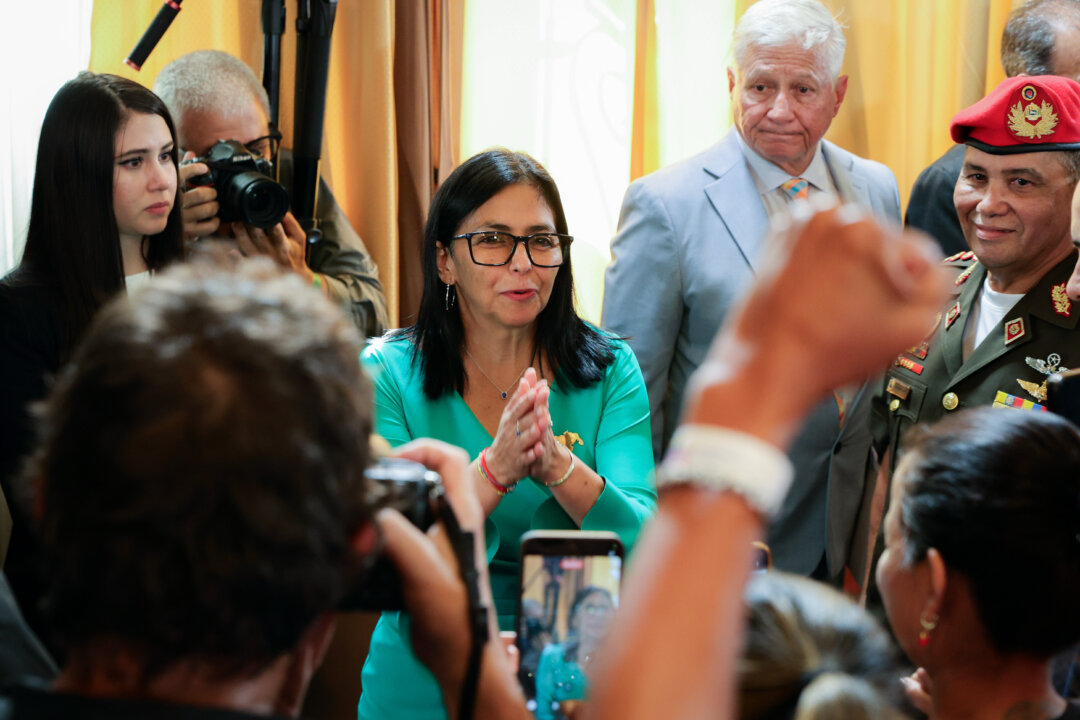
Delcy Rodríguez, the interim leader of Venezuela, proposed a general amnesty bill on January 30, 2024, aimed at securing the release of hundreds of political prisoners. This initiative comes as part of ongoing reform efforts in the wake of the U.S. capture of former leader Nicolás Maduro. The proposal highlights the government’s commitment to addressing political dissent and human rights concerns that have plagued the country for years.
During a televised address from the Supreme Court of Justice, Rodríguez outlined that the amnesty would apply to individuals detained for political reasons, including opposition leaders, journalists, and human rights activists. She emphasized that the bill is designed to foster reconciliation and healing within Venezuelan society, stating, “May this law serve to heal the wounds left by the political confrontation fueled by violence and extremism.”
The proposed amnesty would cover cases dating back to 1999 and extend to the present day. However, it is important to note that the bill would exclude individuals convicted of serious crimes, including murder, drug trafficking, corruption, and human rights violations. This provision aims to balance the need for justice with the desire for political rehabilitation.
Rodríguez’s announcement has sparked a range of reactions. Supporters view it as a necessary step towards restoring civil liberties and addressing long-standing grievances. Critics, however, remain skeptical, questioning whether the government will genuinely follow through on its promises. Human rights organizations have consistently highlighted the plight of political prisoners in Venezuela, arguing that many remain unjustly detained.
The call for an amnesty bill is not without precedent. Over the years, various Venezuelan administrations have proposed similar measures, often as part of broader negotiations with opposition parties or international bodies. The current proposal, set against the backdrop of shifting political dynamics, may represent an attempt to regain international legitimacy and support.
As Venezuela navigates its complex political landscape, the impact of this proposed amnesty remains to be seen. The response from both domestic and international communities will likely shape the government’s next steps. A genuine commitment to human rights and the release of political prisoners could pave the way for a new chapter in Venezuela’s tumultuous history.
In conclusion, the proposed amnesty bill by Delcy Rodríguez marks a significant moment in Venezuela’s ongoing political reform. While it holds the potential for positive change, the real challenge will lie in the implementation and the government’s willingness to engage constructively with all stakeholders involved.

Philadelphia Parks Launch Free Earth Month Events Starting April 1

Bradford’s Fish Fry Fridays Serve Community with Delicious Dinners

Trump Faces Growing Challenges Amid Rising Tensions with Iran

Scientists Probe the Universe’s Missing Topological Defects

Samsung Galaxy Watch 9 to Feature Larger 435mAh Battery

UConn Huskies Aim to Defend Title in 2026 NCAA Women’s Tournament

U.S. Littoral Combat Ships Dock in Malaysia Amid Regional Tensions

Healthy Choice Wellness Reports Quarterly Earnings, Shares Rise

Urgent News: Charles M. Payment Passes Away at 78 in Duluth

University of Hawaiʻi Joins $25.6M AI Project to Enhance Disaster Monitoring

Major Grant Enhances Cancer Care and Research in Hawaiʻi

Joleen Chaney, Beloved Journalist, Passes Leaving Lasting Legacy

San Francisco’s SFO to Welcome 16 Airlines with Nonstop Flights to Europe in 2026

Goldman Sachs Unveils 2026 Catalyst Playbook for Biotech Investors

Discover Top Business Smartphones for Professionals in 2026

Urgent Update: Tom Aspinall’s Vision Deteriorates After UFC 321

Texas Roadhouse Honors Veterans with Free Meal Vouchers

CD Projekt Red Confirms No Release for The Witcher 4 in 2026
-
Science9 months ago
University of Hawaiʻi Joins $25.6M AI Project to Enhance Disaster Monitoring
-
 Health8 months ago
Major Grant Enhances Cancer Care and Research in Hawaiʻi
-
 Top Stories9 months ago
Joleen Chaney, Beloved Journalist, Passes Leaving Lasting Legacy
-
 World7 months ago
San Francisco’s SFO to Welcome 16 Airlines with Nonstop Flights to Europe in 2026
-
 Business8 months ago
Goldman Sachs Unveils 2026 Catalyst Playbook for Biotech Investors
-
 Business7 months ago
Discover Top Business Smartphones for Professionals in 2026
-
 Top Stories9 months ago
Urgent Update: Tom Aspinall’s Vision Deteriorates After UFC 321
-
 Lifestyle9 months ago
Texas Roadhouse Honors Veterans with Free Meal Vouchers
-
 Entertainment8 months ago
CD Projekt Red Confirms No Release for The Witcher 4 in 2026
-

 Top Stories10 months ago
AI Disruption: AWS Faces Threat as Startups Shift Cloud Focus
-

 Health10 months ago
MIT Scientists Uncover Surprising Genomic Loops During Cell Division
-

 Entertainment10 months ago
Discover the Full Map of Pokémon Legends: Z-A’s Lumiose City