
Science
AI Revolutionizes 3D Imaging of Biological Samples with New Algorithm

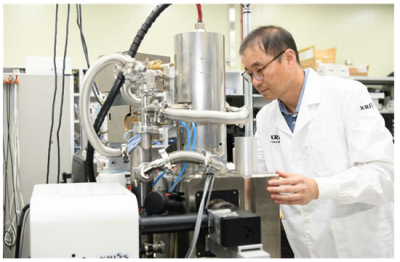
The Korea Research Institute of Standards and Science (KRISS), led by President Lee Ho Seong, has unveiled a groundbreaking artificial intelligence (AI)-based image segmentation algorithm. This innovative technology can quickly reconstruct three-dimensional (3D) structures from two-dimensional (2D) cross-sectional images of biological samples captured using a scanning electron microscope (SEM). This development has significant implications for various fields, including biology, materials science, and nanotechnology.
The algorithm enhances the efficiency and accuracy of 3D reconstruction, which has traditionally been a time-consuming and complex process. By leveraging advanced AI techniques, researchers can now obtain detailed 3D models from 2D images in a fraction of the time previously required. This capability not only streamlines research but also opens new avenues for understanding intricate biological processes and structures.
Transforming Research with AI
The implementation of this AI-driven approach allows scientists to visualize and analyze biological samples at a granular level. It is particularly beneficial for studies involving cellular structures and interactions. The ability to reconstruct 3D models enhances the understanding of how cells function and interact with their environment, which is crucial for advancements in medical research and development.
According to KRISS, the algorithm is designed to operate efficiently across a wide range of biological specimens, making it a versatile tool for researchers. The potential applications are vast, from pharmaceuticals to agricultural science, where understanding the microscopic world can lead to significant breakthroughs.
The development of this technology aligns with global trends in research, where AI is increasingly being integrated into scientific methodologies. The collaboration between AI and traditional imaging techniques promises to accelerate discoveries and improve the quality of research outputs.
Future Implications
As the demand for precise and rapid imaging techniques continues to grow, KRISS’s innovation positions it as a leader in the field of imaging technology. The integration of AI in microscopy not only enhances the accuracy of 3D reconstructions but also supports the ongoing shift towards more automated and sophisticated research methodologies.
The significance of this advancement cannot be overstated. It provides researchers with a powerful tool to explore and understand the complexities of biological systems in a way that was not previously possible. With this new algorithm, the future of microscopic imaging looks promising, paving the way for further exploration into the unseen world of cells and their functions.
In summary, KRISS’s AI-based image segmentation algorithm represents a significant leap forward in the field of microscopy. By transforming 2D images into detailed 3D models, it enhances our ability to study biological samples, which could lead to impactful scientific discoveries across various disciplines.

Philadelphia Parks Launch Free Earth Month Events Starting April 1

Bradford’s Fish Fry Fridays Serve Community with Delicious Dinners

Trump Faces Growing Challenges Amid Rising Tensions with Iran

Scientists Probe the Universe’s Missing Topological Defects

Samsung Galaxy Watch 9 to Feature Larger 435mAh Battery

UConn Huskies Aim to Defend Title in 2026 NCAA Women’s Tournament

U.S. Littoral Combat Ships Dock in Malaysia Amid Regional Tensions

Healthy Choice Wellness Reports Quarterly Earnings, Shares Rise

Urgent News: Charles M. Payment Passes Away at 78 in Duluth

University of Hawaiʻi Joins $25.6M AI Project to Enhance Disaster Monitoring

Major Grant Enhances Cancer Care and Research in Hawaiʻi

Joleen Chaney, Beloved Journalist, Passes Leaving Lasting Legacy

San Francisco’s SFO to Welcome 16 Airlines with Nonstop Flights to Europe in 2026

Goldman Sachs Unveils 2026 Catalyst Playbook for Biotech Investors

Discover Top Business Smartphones for Professionals in 2026

Urgent Update: Tom Aspinall’s Vision Deteriorates After UFC 321

Texas Roadhouse Honors Veterans with Free Meal Vouchers

CD Projekt Red Confirms No Release for The Witcher 4 in 2026
-
Science9 months ago
University of Hawaiʻi Joins $25.6M AI Project to Enhance Disaster Monitoring
-
 Health8 months ago
Major Grant Enhances Cancer Care and Research in Hawaiʻi
-
 Top Stories9 months ago
Joleen Chaney, Beloved Journalist, Passes Leaving Lasting Legacy
-
 World7 months ago
San Francisco’s SFO to Welcome 16 Airlines with Nonstop Flights to Europe in 2026
-
 Business8 months ago
Goldman Sachs Unveils 2026 Catalyst Playbook for Biotech Investors
-
 Business7 months ago
Discover Top Business Smartphones for Professionals in 2026
-
 Top Stories9 months ago
Urgent Update: Tom Aspinall’s Vision Deteriorates After UFC 321
-
 Lifestyle9 months ago
Texas Roadhouse Honors Veterans with Free Meal Vouchers
-
 Entertainment8 months ago
CD Projekt Red Confirms No Release for The Witcher 4 in 2026
-

 Top Stories10 months ago
AI Disruption: AWS Faces Threat as Startups Shift Cloud Focus
-

 Health10 months ago
MIT Scientists Uncover Surprising Genomic Loops During Cell Division
-

 Entertainment10 months ago
Discover the Full Map of Pokémon Legends: Z-A’s Lumiose City