
Science
Audiophile Experiment Reveals No Sound Difference Between Cables and Bananas

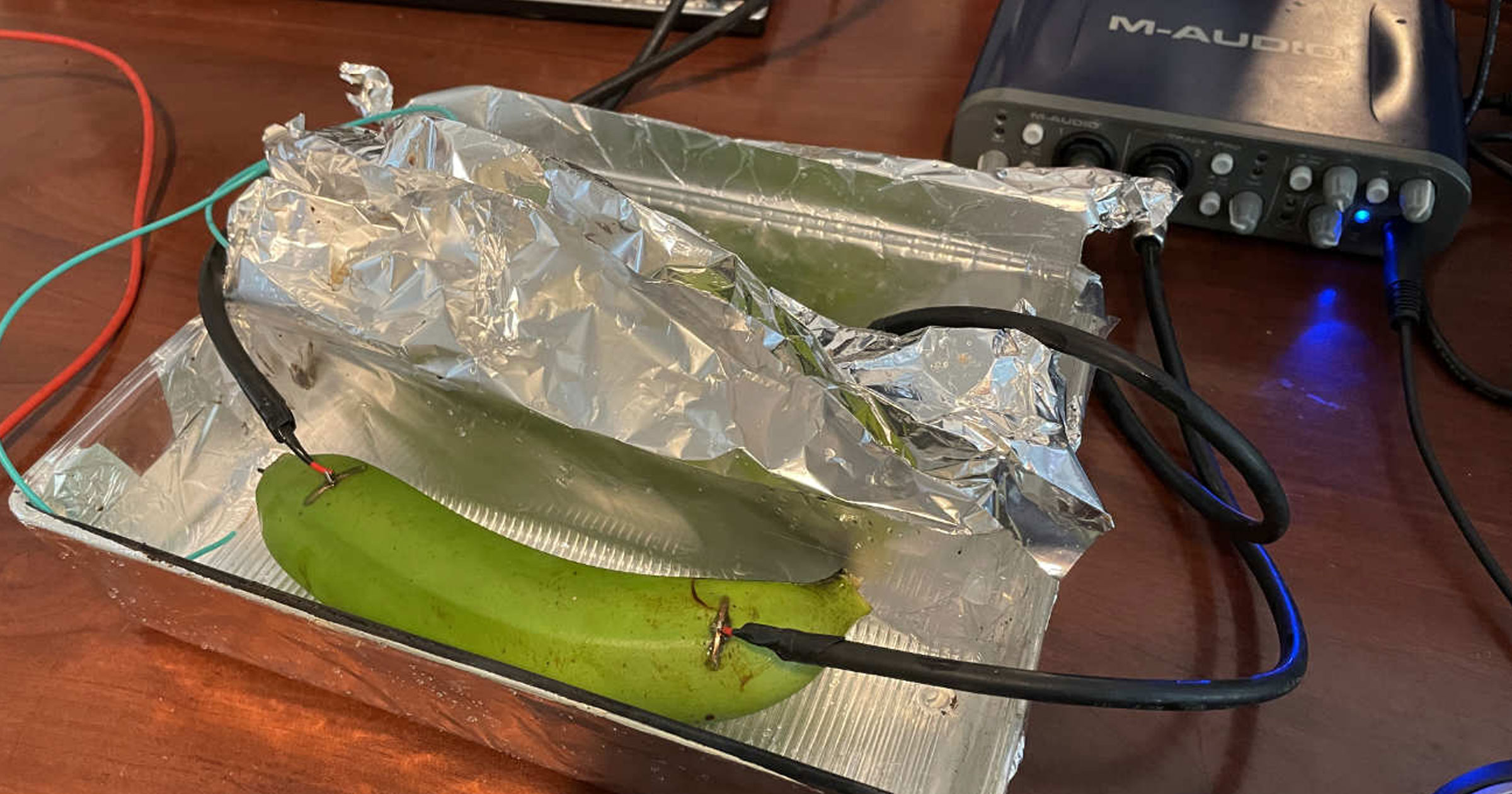
A recent experiment conducted by audiophile moderator Pano has shed light on the long-standing debate regarding the efficacy of high-end audio cables. The investigation, which took place in 2024, involved testing various mediums, including expensive cables, an unripe banana, and even wet mud. The surprising outcome revealed that listeners struggled to distinguish between the audio quality of these diverse components.
High-quality cables have historically been marketed as essential for maximizing the performance of premium audio equipment. In the world of audiophiles, cables can command prices reaching tens of thousands of dollars, boasting features such as ultra-pure copper, silver plating, and specialized insulation. Many manufacturers argue that these features enhance the sound output of luxury audio systems. Yet, the laws of physics suggest that exorbitant spending on cables often provides little to no benefit, as long as consumers avoid the cheapest options available.
To test the perceived differences in audio quality, Pano ran high-quality audio through several unconventional conduits, including professional-grade copper wire and homemade alternatives like old microphone cables soldered to pennies. The results, shared on the diyAudio forum, indicated that participants found it nearly impossible to identify which clips were played through the banana or the mud.
In fact, of the 43 guesses made by listeners, only 6 were correct, suggesting that their ability to discern audio quality was essentially random. According to an analysis by Tom’s Hardware, the findings align with the hypothesis that most listeners cannot differentiate between these materials in any meaningful way.
“The amazing thing is how much alike these files sound,” Pano commented. “The mud should sound perfectly awful, but it doesn’t. All of the re-recordings should be obvious, but they aren’t.” He went on to explain that materials like mud or bananas function similarly to a basic resistor, affecting only the signal level without significantly altering the audio quality.
While the experiment demonstrated that unconventional materials can conduct audio signals effectively, Pano cautioned against relying on them for serious audio applications. He noted that factors such as DC resistance and shielding are crucial for connectivity. “Mud and bananas cause signal level loss, and one of those materials does not have a flat frequency response,” he remarked.
In his findings, Pano emphasized that the conductor’s material itself may not impact sonic quality as much as previously believed. “Good old copper wire does the job. Steel, iron, or aluminum probably would too,” he stated, challenging the notion that expensive materials like oxygen-free copper or ultra-pure silver are necessary for optimal sound reproduction.
The experiment quickly gained traction across various online communities, leading to a wave of humorous reactions from participants. One forum member jokingly suggested the existence of “high-end bananas,” while another claimed to have replaced their speaker cables with trays of mud years ago.
The results of this experiment serve as a critical reminder to consumers about the potential for marketing to influence perceptions of audio quality. As the audiophile community continues to explore the nuances of sound reproduction, this investigation offers a unique perspective on the impact of cable quality, or lack thereof, on audio performance.

Philadelphia Parks Launch Free Earth Month Events Starting April 1

Bradford’s Fish Fry Fridays Serve Community with Delicious Dinners

Trump Faces Growing Challenges Amid Rising Tensions with Iran

Scientists Probe the Universe’s Missing Topological Defects

Samsung Galaxy Watch 9 to Feature Larger 435mAh Battery

UConn Huskies Aim to Defend Title in 2026 NCAA Women’s Tournament

U.S. Littoral Combat Ships Dock in Malaysia Amid Regional Tensions

Healthy Choice Wellness Reports Quarterly Earnings, Shares Rise

Urgent News: Charles M. Payment Passes Away at 78 in Duluth

University of Hawaiʻi Joins $25.6M AI Project to Enhance Disaster Monitoring

Major Grant Enhances Cancer Care and Research in Hawaiʻi

Joleen Chaney, Beloved Journalist, Passes Leaving Lasting Legacy

San Francisco’s SFO to Welcome 16 Airlines with Nonstop Flights to Europe in 2026

Goldman Sachs Unveils 2026 Catalyst Playbook for Biotech Investors

Discover Top Business Smartphones for Professionals in 2026

Urgent Update: Tom Aspinall’s Vision Deteriorates After UFC 321

Texas Roadhouse Honors Veterans with Free Meal Vouchers

CD Projekt Red Confirms No Release for The Witcher 4 in 2026
-
Science9 months ago
University of Hawaiʻi Joins $25.6M AI Project to Enhance Disaster Monitoring
-
 Health8 months ago
Major Grant Enhances Cancer Care and Research in Hawaiʻi
-
 Top Stories9 months ago
Joleen Chaney, Beloved Journalist, Passes Leaving Lasting Legacy
-
 World7 months ago
San Francisco’s SFO to Welcome 16 Airlines with Nonstop Flights to Europe in 2026
-
 Business8 months ago
Goldman Sachs Unveils 2026 Catalyst Playbook for Biotech Investors
-
 Business7 months ago
Discover Top Business Smartphones for Professionals in 2026
-
 Top Stories9 months ago
Urgent Update: Tom Aspinall’s Vision Deteriorates After UFC 321
-
 Lifestyle9 months ago
Texas Roadhouse Honors Veterans with Free Meal Vouchers
-
 Entertainment8 months ago
CD Projekt Red Confirms No Release for The Witcher 4 in 2026
-

 Top Stories10 months ago
AI Disruption: AWS Faces Threat as Startups Shift Cloud Focus
-

 Health10 months ago
MIT Scientists Uncover Surprising Genomic Loops During Cell Division
-

 Entertainment10 months ago
Discover the Full Map of Pokémon Legends: Z-A’s Lumiose City