
Science
Carnegie Mellon Develops SPOT System for Human-Like Robot Planning

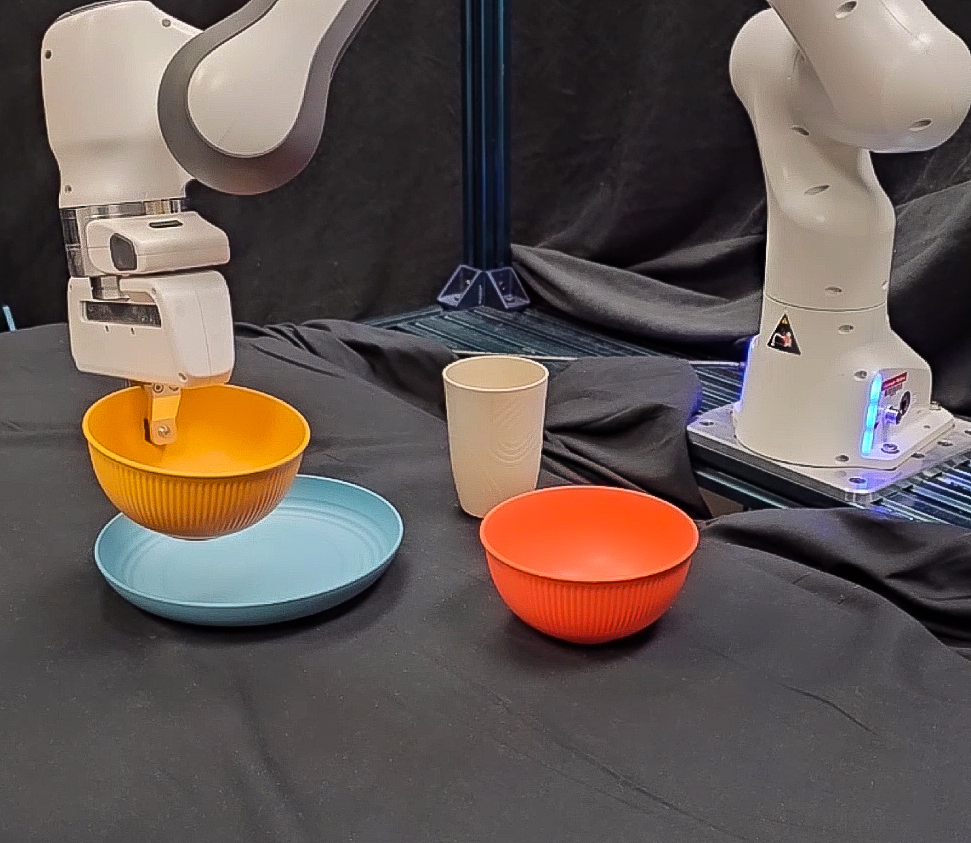
Researchers at Carnegie Mellon University have introduced a groundbreaking system that enhances robotic capabilities for navigating complex environments. Named Search over Point cloud Object Transformations (SPOT), this innovative approach allows robots to interpret their surroundings and execute tasks, such as organizing objects, with a level of intuition previously reserved for humans.
SPOT equips robots with the ability to analyze 3D camera data, enabling them to understand spatial relationships and object shapes in real time. This advancement addresses a significant challenge in robotics: operating effectively in cluttered settings like kitchens, classrooms, and offices. By facilitating goal-driven planning, SPOT represents a crucial step toward integrating robots into everyday life.
David Held, Associate Professor at the Robotics Institute (RI), along with Professor Maxim Likhachev, guided a team of students to develop this system. Their objective was to improve how robots coordinate movements involving multiple objects—essential for tasks like putting away dishes or organizing shelves. Effective planning is critical; for instance, a robot must remove items in the correct order to avoid collisions and ensure safe handling.
Rather than relying on symbolic descriptions that require exhaustive rules, SPOT operates directly from raw sensory data. According to Amber Li, a Ph.D. student and co-lead researcher, “SPOT operates directly in the point cloud space with raw sensory input from one camera and needs no additional information about the scene or the objects.” This capability allows the robot to perceive its environment in three dimensions, significantly enhancing its ability to plan movements even in cluttered or partially obstructed spaces.
In practical applications, the research team tested SPOT using a Franka robotic arm and plastic dishes. The results demonstrated that the system could effectively rearrange the dishes into various configurations. SPOT outperformed traditional planning methods by intuitively determining which objects to move first to reach the desired outcome. Kallol Saha, a master’s student and co-lead researcher, remarked, “When humans organize our homes, we don’t have a set of rules in our minds that we follow before rearranging objects. We just look, plan, then act. SPOT brings that kind of intuitive decision-making to robots.”
The significance of SPOT extends beyond academia. The system was accepted for presentation at the 2025 Conference on Robotic Learning in Seoul, South Korea, highlighting its potential impact on the field. Funding for this research was provided by the Toyota Research Institute and the Office of Naval Research.
For further insights into SPOT and its applications, interested parties can visit the project website. The advancements made through this research could pave the way for more versatile robotic assistants, enhancing their ability to engage with and support humans in everyday environments.

Philadelphia Parks Launch Free Earth Month Events Starting April 1

Bradford’s Fish Fry Fridays Serve Community with Delicious Dinners

Trump Faces Growing Challenges Amid Rising Tensions with Iran

Scientists Probe the Universe’s Missing Topological Defects

Samsung Galaxy Watch 9 to Feature Larger 435mAh Battery

UConn Huskies Aim to Defend Title in 2026 NCAA Women’s Tournament

U.S. Littoral Combat Ships Dock in Malaysia Amid Regional Tensions

Healthy Choice Wellness Reports Quarterly Earnings, Shares Rise

Urgent News: Charles M. Payment Passes Away at 78 in Duluth

University of Hawaiʻi Joins $25.6M AI Project to Enhance Disaster Monitoring

Major Grant Enhances Cancer Care and Research in Hawaiʻi

Joleen Chaney, Beloved Journalist, Passes Leaving Lasting Legacy

San Francisco’s SFO to Welcome 16 Airlines with Nonstop Flights to Europe in 2026

Goldman Sachs Unveils 2026 Catalyst Playbook for Biotech Investors

Discover Top Business Smartphones for Professionals in 2026

Urgent Update: Tom Aspinall’s Vision Deteriorates After UFC 321

Texas Roadhouse Honors Veterans with Free Meal Vouchers

CD Projekt Red Confirms No Release for The Witcher 4 in 2026
-
Science9 months ago
University of Hawaiʻi Joins $25.6M AI Project to Enhance Disaster Monitoring
-
 Health8 months ago
Major Grant Enhances Cancer Care and Research in Hawaiʻi
-
 Top Stories9 months ago
Joleen Chaney, Beloved Journalist, Passes Leaving Lasting Legacy
-
 World7 months ago
San Francisco’s SFO to Welcome 16 Airlines with Nonstop Flights to Europe in 2026
-
 Business8 months ago
Goldman Sachs Unveils 2026 Catalyst Playbook for Biotech Investors
-
 Business7 months ago
Discover Top Business Smartphones for Professionals in 2026
-
 Top Stories9 months ago
Urgent Update: Tom Aspinall’s Vision Deteriorates After UFC 321
-
 Lifestyle9 months ago
Texas Roadhouse Honors Veterans with Free Meal Vouchers
-
 Entertainment8 months ago
CD Projekt Red Confirms No Release for The Witcher 4 in 2026
-

 Top Stories10 months ago
AI Disruption: AWS Faces Threat as Startups Shift Cloud Focus
-

 Health10 months ago
MIT Scientists Uncover Surprising Genomic Loops During Cell Division
-

 Entertainment10 months ago
Discover the Full Map of Pokémon Legends: Z-A’s Lumiose City