
Science
Dancing With the Stars Crowned Robert Irwin Amid Controversy

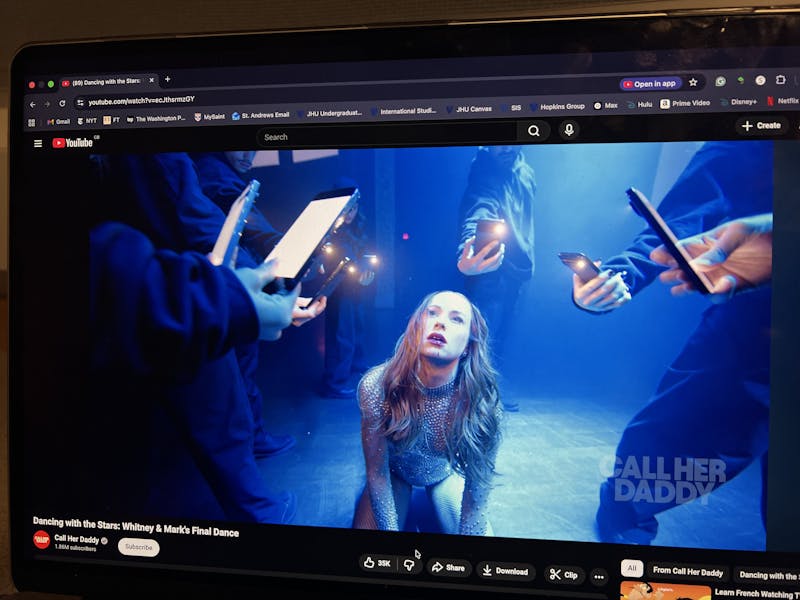
The latest season of Dancing With the Stars concluded with Robert Irwin and his professional partner Witney Carson taking home the coveted Mirrorball trophy. This season captivated viewers, but it also sparked significant discussions about public opinion, social media influence, and the nature of competition in both reality television and politics.
Unexpected Outcomes and Social Media Dynamics
Many fans were left surprised by the outcome, particularly those who had been supporting Whitney Leavitt from the reality series The Secret Lives of Mormon Wives. Leavitt was eliminated during the semi-finals, a decision many attributed to insufficient voting support from fans. Voting for the show is limited to participants in the United States and Canada, leaving international supporters like myself unable to contribute to her success.
Social media played a crucial role in shaping public perception. In the days leading up to the semi-finals, a noticeable trend emerged: many users on platforms such as TikTok and Instagram actively campaigned against Leavitt, labeling her as “problematic.” This phenomenon raised important questions about how quickly public opinion can form and shift, often with little evidence or personal knowledge of the individuals involved.
The Broader Implications of Groupthink
This situation resonated with broader societal issues, particularly in the realm of politics. The recent government shutdown in the United States serves as a pertinent example. It marked the longest shutdown in U.S. history, resulting from partisan gridlock. Many commentators noted that public narratives often simplify complex situations, attributing blame to one political party or another without recognizing the multifaceted nature of political decision-making.
“Gridlock is rarely the fault of one person or party, but rather the product of institutional incentives and polarized media ecosystems,” said a political analyst.
As discussions surrounding the shutdown proliferated on social media, comments frequently reflected a black-and-white viewpoint. Some users placed full blame on Democrats, while others pointed fingers at Republicans, demonstrating an unwillingness to engage with the nuances of the situation. This trend parallels the voting dynamics seen in Dancing With the Stars, where social media narratives can shape public sentiment in real-time.
Politicians often capitalize on this simplified thinking. By presenting clear enemies or scapegoats, they can galvanize support and avoid the complexities that might alienate constituents. Outrage spreads quickly online, overshadowing the more intricate reality of governance.
The algorithms that drive social media platforms reward engagement, often amplifying divisive content. This leads to a cycle where users are continually exposed to narratives that confirm their existing beliefs. As a result, individuals may find themselves voting against a contestant on a reality show based solely on social media narratives, mirroring the polarized voting patterns observed in political contexts.
Embracing Complexity for a Healthier Discourse
To foster a healthier political culture, it is essential to engage with the complexities of issues rather than resorting to simplified narratives. Acknowledging the shades of gray in both politics and personal interactions can lead to more constructive dialogues. As the case of Leavitt illustrates, not every contest requires a villain, and the pursuit of scapegoats often detracts from meaningful discourse.
Ultimately, the true Mirrorball trophy might belong to the platforms that orchestrate these narratives. They have perfected the art of directing attention and shaping perceptions, often reducing complex issues to a binary of right and wrong. This approach can obscure the real work that occurs in the nuanced spaces where compromise and cooperation thrive.
As individuals, we need to strive for a deeper understanding of the issues at hand. Whether it involves voting for a reality contest or engaging in political discussions, recognizing the complexity of situations is vital. In an era dominated by social media, taking a step back and considering multiple perspectives can be a valuable practice. Perhaps it is time to log off occasionally and reconnect with the world around us, fostering a culture that values empathy and complexity over outrage.

Philadelphia Parks Launch Free Earth Month Events Starting April 1

Bradford’s Fish Fry Fridays Serve Community with Delicious Dinners

Trump Faces Growing Challenges Amid Rising Tensions with Iran

Scientists Probe the Universe’s Missing Topological Defects

Samsung Galaxy Watch 9 to Feature Larger 435mAh Battery

UConn Huskies Aim to Defend Title in 2026 NCAA Women’s Tournament

U.S. Littoral Combat Ships Dock in Malaysia Amid Regional Tensions

Healthy Choice Wellness Reports Quarterly Earnings, Shares Rise

Urgent News: Charles M. Payment Passes Away at 78 in Duluth

University of Hawaiʻi Joins $25.6M AI Project to Enhance Disaster Monitoring

Major Grant Enhances Cancer Care and Research in Hawaiʻi

Joleen Chaney, Beloved Journalist, Passes Leaving Lasting Legacy

San Francisco’s SFO to Welcome 16 Airlines with Nonstop Flights to Europe in 2026

Goldman Sachs Unveils 2026 Catalyst Playbook for Biotech Investors

Discover Top Business Smartphones for Professionals in 2026

Urgent Update: Tom Aspinall’s Vision Deteriorates After UFC 321

Texas Roadhouse Honors Veterans with Free Meal Vouchers

CD Projekt Red Confirms No Release for The Witcher 4 in 2026
-
Science9 months ago
University of Hawaiʻi Joins $25.6M AI Project to Enhance Disaster Monitoring
-
 Health8 months ago
Major Grant Enhances Cancer Care and Research in Hawaiʻi
-
 Top Stories9 months ago
Joleen Chaney, Beloved Journalist, Passes Leaving Lasting Legacy
-
 World7 months ago
San Francisco’s SFO to Welcome 16 Airlines with Nonstop Flights to Europe in 2026
-
 Business8 months ago
Goldman Sachs Unveils 2026 Catalyst Playbook for Biotech Investors
-
 Business8 months ago
Discover Top Business Smartphones for Professionals in 2026
-
 Top Stories9 months ago
Urgent Update: Tom Aspinall’s Vision Deteriorates After UFC 321
-
 Lifestyle9 months ago
Texas Roadhouse Honors Veterans with Free Meal Vouchers
-
 Entertainment8 months ago
CD Projekt Red Confirms No Release for The Witcher 4 in 2026
-

 Top Stories10 months ago
AI Disruption: AWS Faces Threat as Startups Shift Cloud Focus
-

 Health10 months ago
MIT Scientists Uncover Surprising Genomic Loops During Cell Division
-

 Entertainment10 months ago
Discover the Full Map of Pokémon Legends: Z-A’s Lumiose City