
Science
Hacker Explores Reverse Biasing of NPN BJTs in 2025 Challenge

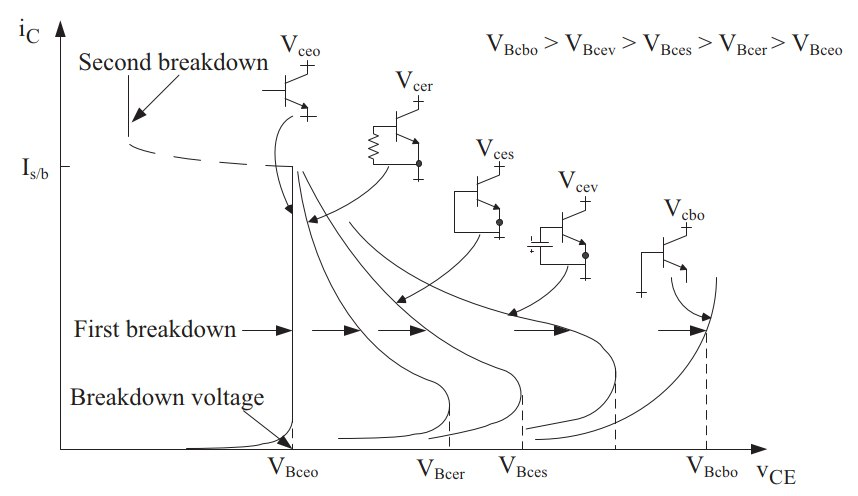
In an intriguing exploration of transistor behavior, hacker Tim Williams has put forth a unique challenge for the 2025 Component Abuse Challenge by examining the concept of reverse biasing in NPN bipolar junction transistors (BJTs). His experiments raise questions about the operational limits of these components, particularly when they are not designed for such use.
Williams humorously notes that “N-P-N” reads the same forwards and backwards, prompting curiosity about the effects of reverse biasing on these transistors. Despite the lighthearted nature of his commentary, the reality is that the doping levels in the emitter and collector of an NPN transistor differ significantly. As a result, this affects their electrical characteristics, meaning they will not function identically when reverse biased.
Historically, the topic was first posed by the renowned engineer Bob Pease on March 18, 1996. In his discussion, Pease pointed out that while some transistors are engineered to operate in what Williams describes as “inverted mode,” most standard BJTs are not intended for such usage. This kind of reverse biasing could lead to component damage and malfunction.
Williams reported measuring an output voltage of approximately -0.4 volts using a high-impedance meter during his experiments. However, attempts to replicate this result in a laboratory setting were unsuccessful, highlighting the complexities involved in such experiments. Many variables could influence the outcome, and the results may vary significantly based on the specific conditions and equipment used.
For those interested in delving deeper into the world of transistors, resources are available, including a five-part series focusing on transistors as amplifiers. The series begins with a light-hearted introduction titled “Won’t Somebody, Please, Think Of The Transistors!”
Engagement with the community is encouraged, as feedback and results from personal experiments are welcomed in the comments section. As the Component Abuse Challenge unfolds, the excitement around innovative approaches to electronic components continues to grow. Thanks to Tim Williams for his contribution, and best of luck to all participants in the competition.

Philadelphia Parks Launch Free Earth Month Events Starting April 1

Bradford’s Fish Fry Fridays Serve Community with Delicious Dinners

Trump Faces Growing Challenges Amid Rising Tensions with Iran

Scientists Probe the Universe’s Missing Topological Defects

Samsung Galaxy Watch 9 to Feature Larger 435mAh Battery

UConn Huskies Aim to Defend Title in 2026 NCAA Women’s Tournament

U.S. Littoral Combat Ships Dock in Malaysia Amid Regional Tensions

Healthy Choice Wellness Reports Quarterly Earnings, Shares Rise

Urgent News: Charles M. Payment Passes Away at 78 in Duluth

University of Hawaiʻi Joins $25.6M AI Project to Enhance Disaster Monitoring

Major Grant Enhances Cancer Care and Research in Hawaiʻi

Joleen Chaney, Beloved Journalist, Passes Leaving Lasting Legacy

San Francisco’s SFO to Welcome 16 Airlines with Nonstop Flights to Europe in 2026

Goldman Sachs Unveils 2026 Catalyst Playbook for Biotech Investors

Discover Top Business Smartphones for Professionals in 2026

Urgent Update: Tom Aspinall’s Vision Deteriorates After UFC 321

Texas Roadhouse Honors Veterans with Free Meal Vouchers

CD Projekt Red Confirms No Release for The Witcher 4 in 2026
-
Science9 months ago
University of Hawaiʻi Joins $25.6M AI Project to Enhance Disaster Monitoring
-
 Health8 months ago
Major Grant Enhances Cancer Care and Research in Hawaiʻi
-
 Top Stories9 months ago
Joleen Chaney, Beloved Journalist, Passes Leaving Lasting Legacy
-
 World7 months ago
San Francisco’s SFO to Welcome 16 Airlines with Nonstop Flights to Europe in 2026
-
 Business8 months ago
Goldman Sachs Unveils 2026 Catalyst Playbook for Biotech Investors
-
 Business7 months ago
Discover Top Business Smartphones for Professionals in 2026
-
 Top Stories9 months ago
Urgent Update: Tom Aspinall’s Vision Deteriorates After UFC 321
-
 Lifestyle9 months ago
Texas Roadhouse Honors Veterans with Free Meal Vouchers
-
 Entertainment8 months ago
CD Projekt Red Confirms No Release for The Witcher 4 in 2026
-

 Top Stories10 months ago
AI Disruption: AWS Faces Threat as Startups Shift Cloud Focus
-

 Health10 months ago
MIT Scientists Uncover Surprising Genomic Loops During Cell Division
-

 Entertainment10 months ago
Discover the Full Map of Pokémon Legends: Z-A’s Lumiose City