
Science
Market Trends Show Unpredictability Amid AI Revolution

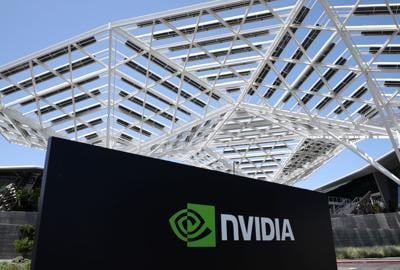
As financial experts and investors analyze the current landscape, the unpredictability of markets has become increasingly apparent. This year has demonstrated how swiftly narratives can shift, leading to dramatic changes in stock performance. The S&P 500, for example, experienced a sharp decline of nearly 20 percent in a matter of weeks following the announcement of significant tariffs by former President Donald Trump. This volatility underscores the complexity of predicting market responses to economic shifts.
Market Reactions to Economic Indicators
Financial analysts often attempt to forecast future trends based on economic indicators such as inflation, GDP growth, and unemployment rates. Yet, the reality is that understanding how these factors influence stock markets is fraught with uncertainty. For instance, an increase in unemployment might typically suggest negative outcomes for the stock market. However, the response can be influenced by actions from the Federal Reserve, which may lower interest rates to stimulate economic activity, potentially benefiting stock values.
This year, as we approach March 2025, many financial professionals were initially optimistic about deregulation and tax incentives driving returns on U.S. stocks. Yet, the unexpected announcement of hefty tariffs shifted that optimism to concern, leading to a significant downturn in the markets. In a rapid turnaround, investor focus shifted towards the burgeoning sector of artificial intelligence (AI), which is now seen as a catalyst for economic growth, even during challenging times.
The stock price of Google serves as a compelling case in point. It experienced a decline of 23 percent up until April 8, but by mid-December, it had rebounded to a remarkable 63 percent increase for the year. This volatility illustrates the unpredictable nature of market sentiment and the influence of emerging technologies on investor confidence.
Assessing Current Growth Trends
Looking at the broader picture, the U.S. stock market has enjoyed a robust performance over the past three years, with the S&P 500 gaining approximately 76 percent. Much of this growth has been attributed to increased investment in AI technologies, positioning companies like Nvidia at the forefront of this revolution. Tech indices have more than doubled in value during this period, raising questions among investors about the sustainability of such growth.
Concerns are rising regarding whether the significant valuations of leading tech stocks are justified. Investors are starting to reassess their portfolios, with some rotating out of high-flying tech stocks into more traditional sectors, such as banking and healthcare. This shift indicates a changing mindset among investors, who are increasingly cautious about the longevity of the AI-driven market boom.
While it is impossible to predict where markets will head next, understanding the current landscape is crucial for financial planning. For retirees dependent on their investment portfolios, it may be prudent to secure gains from tech stocks and consider reallocating to more stable investments. This strategy does not rely on forecasting future market movements but rather acknowledges the present situation and the risks involved.
In a world characterized by uncertainty, maintaining a disciplined approach to investing is essential. Rather than attempting to guess the next market trend, investors should focus on assessing their current positions and making informed decisions that align with their financial goals. The unpredictable nature of financial markets will always present challenges, but with careful planning and strategic thinking, individuals can navigate these complexities effectively.

Philadelphia Parks Launch Free Earth Month Events Starting April 1

Bradford’s Fish Fry Fridays Serve Community with Delicious Dinners

Trump Faces Growing Challenges Amid Rising Tensions with Iran

Scientists Probe the Universe’s Missing Topological Defects

Samsung Galaxy Watch 9 to Feature Larger 435mAh Battery

UConn Huskies Aim to Defend Title in 2026 NCAA Women’s Tournament

U.S. Littoral Combat Ships Dock in Malaysia Amid Regional Tensions

Healthy Choice Wellness Reports Quarterly Earnings, Shares Rise

Urgent News: Charles M. Payment Passes Away at 78 in Duluth

University of Hawaiʻi Joins $25.6M AI Project to Enhance Disaster Monitoring

Major Grant Enhances Cancer Care and Research in Hawaiʻi

Joleen Chaney, Beloved Journalist, Passes Leaving Lasting Legacy

San Francisco’s SFO to Welcome 16 Airlines with Nonstop Flights to Europe in 2026

Goldman Sachs Unveils 2026 Catalyst Playbook for Biotech Investors

Discover Top Business Smartphones for Professionals in 2026

Urgent Update: Tom Aspinall’s Vision Deteriorates After UFC 321

Texas Roadhouse Honors Veterans with Free Meal Vouchers

CD Projekt Red Confirms No Release for The Witcher 4 in 2026
-
Science9 months ago
University of Hawaiʻi Joins $25.6M AI Project to Enhance Disaster Monitoring
-
 Health8 months ago
Major Grant Enhances Cancer Care and Research in Hawaiʻi
-
 Top Stories9 months ago
Joleen Chaney, Beloved Journalist, Passes Leaving Lasting Legacy
-
 World7 months ago
San Francisco’s SFO to Welcome 16 Airlines with Nonstop Flights to Europe in 2026
-
 Business8 months ago
Goldman Sachs Unveils 2026 Catalyst Playbook for Biotech Investors
-
 Business8 months ago
Discover Top Business Smartphones for Professionals in 2026
-
 Top Stories9 months ago
Urgent Update: Tom Aspinall’s Vision Deteriorates After UFC 321
-
 Lifestyle9 months ago
Texas Roadhouse Honors Veterans with Free Meal Vouchers
-
 Entertainment8 months ago
CD Projekt Red Confirms No Release for The Witcher 4 in 2026
-

 Top Stories10 months ago
AI Disruption: AWS Faces Threat as Startups Shift Cloud Focus
-

 Health10 months ago
MIT Scientists Uncover Surprising Genomic Loops During Cell Division
-

 Entertainment10 months ago
Discover the Full Map of Pokémon Legends: Z-A’s Lumiose City