
Science
NASA Unveils STELLA: Low-Cost Sensors for Citizen Science

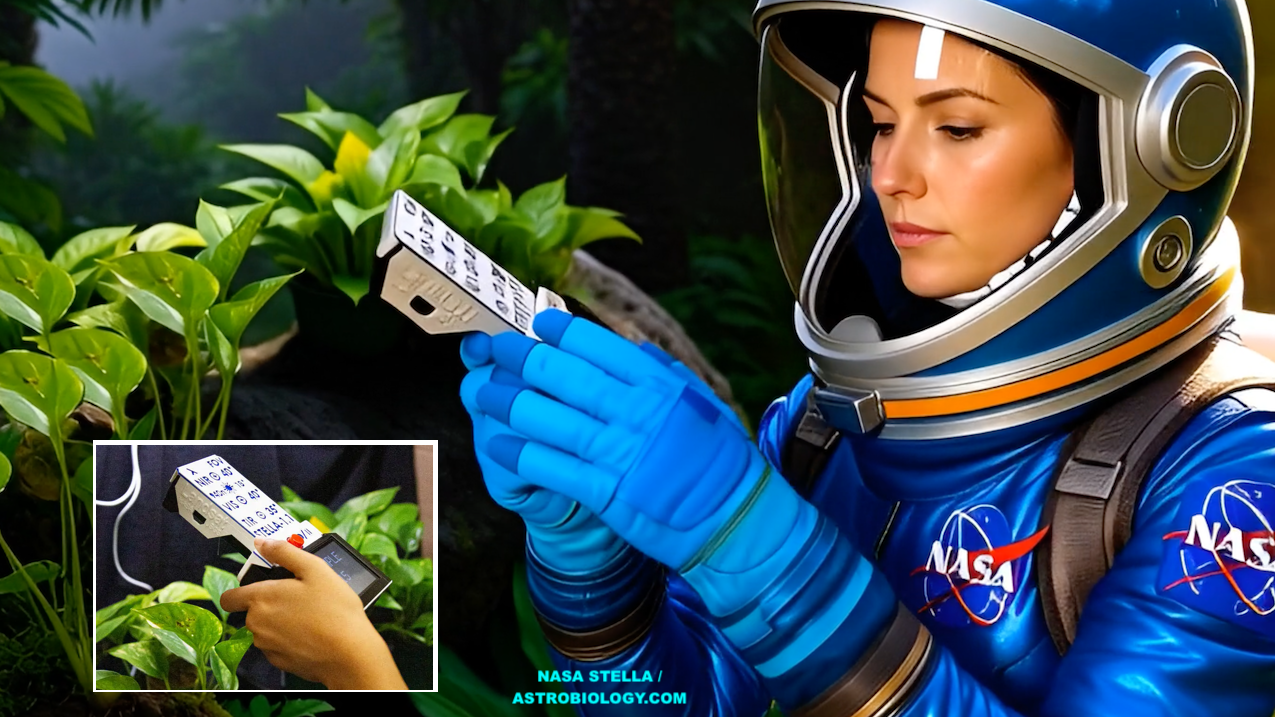
NASA has launched an innovative initiative, introducing the Science and Technology Education for Land/Life Assessment (STELLA) project. This program aims to democratize remote sensing science by providing low-cost, open-source instruments that individuals can build and use. The initiative is outlined in a recently published paper titled “Democratizing Remote Sensing Science With Low-Cost Open-Source Instruments for Research and Education,” available online.
STELLA instruments are designed to engage communities beyond traditional scientific circles, allowing anyone to explore environmental data. As the world prepares for more extensive exploration of other planets, understanding how to monitor and analyze ecosystems is becoming increasingly essential. The STELLA project emphasizes the importance of mapping metabolic and genomic systems on Earth, which can serve as a reference for potential future discoveries on other worlds.
Empowering Citizen Science with Accessible Technology
The STELLA project is based at NASA’s Goddard Space Flight Center in Maryland and is funded by the NASA Science Mission Directorate. It features instruments such as the STELLA-Q, which can be assembled for approximately $200 using commercially available components. This simplicity makes it accessible for educational purposes, particularly among younger generations interested in science and technology.
The STELLA-Q enables users to scan, record, and analyze environmental features, such as plant health. For instance, during testing, researchers monitored two plants given varying amounts of water to compare their health using the device. The open-source software, written in a user-friendly variant of Python, allows for easy data recording and analysis, making remote sensing education more immersive and widely available.
The STELLA-1 instrument expands on this functionality by incorporating additional sensors to measure surface temperature and ambient air parameters. Users can follow straightforward assembly instructions to create functional tools for scientific inquiry.
Educational Impact and Future Prospects
NASA’s initiative targets the so-called “Artemis Generation,” the future of space exploration, by fostering skills that will be vital for upcoming missions to other worlds. By encouraging hands-on learning experiences, the STELLA program helps students grasp the quantitative aspects of satellite data and develop analytical thinking.
The project not only enhances educational opportunities but also opens doors for new scientific research. The ability to deploy numerous low-cost instruments allows for greater spatial and temporal data collection, which was previously impractical with more expensive technology. As noted in the project’s findings, this capability can lead to a richer understanding of both terrestrial and extraterrestrial biota.
The recent paper detailing the STELLA project acknowledges the contributions of various experts and organizations, including the Morven Sustainability Lab at the University of Virginia. This collaborative effort illustrates the importance of community involvement in advancing scientific knowledge.
As humanity prepares to explore new worlds, initiatives like STELLA play a crucial role in equipping future researchers with the tools they need to study alien ecosystems. By fostering a spirit of inquiry and innovation, NASA is setting the stage for significant advancements in our understanding of life beyond Earth.
For those interested in diving deeper into the STELLA program, additional information can be found on NASA’s dedicated webpage. The potential for citizen-driven scientific exploration is now more accessible than ever, paving the way for a new era of discovery.

Philadelphia Parks Launch Free Earth Month Events Starting April 1

Bradford’s Fish Fry Fridays Serve Community with Delicious Dinners

Trump Faces Growing Challenges Amid Rising Tensions with Iran

Scientists Probe the Universe’s Missing Topological Defects

Samsung Galaxy Watch 9 to Feature Larger 435mAh Battery

UConn Huskies Aim to Defend Title in 2026 NCAA Women’s Tournament

U.S. Littoral Combat Ships Dock in Malaysia Amid Regional Tensions

Healthy Choice Wellness Reports Quarterly Earnings, Shares Rise

Urgent News: Charles M. Payment Passes Away at 78 in Duluth

University of Hawaiʻi Joins $25.6M AI Project to Enhance Disaster Monitoring

Major Grant Enhances Cancer Care and Research in Hawaiʻi

Joleen Chaney, Beloved Journalist, Passes Leaving Lasting Legacy

San Francisco’s SFO to Welcome 16 Airlines with Nonstop Flights to Europe in 2026

Goldman Sachs Unveils 2026 Catalyst Playbook for Biotech Investors

Discover Top Business Smartphones for Professionals in 2026

Urgent Update: Tom Aspinall’s Vision Deteriorates After UFC 321

Texas Roadhouse Honors Veterans with Free Meal Vouchers

CD Projekt Red Confirms No Release for The Witcher 4 in 2026
-
Science9 months ago
University of Hawaiʻi Joins $25.6M AI Project to Enhance Disaster Monitoring
-
 Health8 months ago
Major Grant Enhances Cancer Care and Research in Hawaiʻi
-
 Top Stories9 months ago
Joleen Chaney, Beloved Journalist, Passes Leaving Lasting Legacy
-
 World7 months ago
San Francisco’s SFO to Welcome 16 Airlines with Nonstop Flights to Europe in 2026
-
 Business8 months ago
Goldman Sachs Unveils 2026 Catalyst Playbook for Biotech Investors
-
 Business8 months ago
Discover Top Business Smartphones for Professionals in 2026
-
 Top Stories9 months ago
Urgent Update: Tom Aspinall’s Vision Deteriorates After UFC 321
-
 Lifestyle9 months ago
Texas Roadhouse Honors Veterans with Free Meal Vouchers
-
 Entertainment8 months ago
CD Projekt Red Confirms No Release for The Witcher 4 in 2026
-

 Top Stories10 months ago
AI Disruption: AWS Faces Threat as Startups Shift Cloud Focus
-

 Health10 months ago
MIT Scientists Uncover Surprising Genomic Loops During Cell Division
-

 Entertainment10 months ago
Discover the Full Map of Pokémon Legends: Z-A’s Lumiose City