
Science
New Electrode Coating Triples Lifespan for Brain Signal Recording

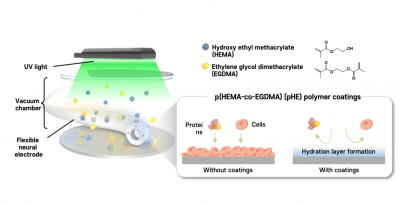
Innovative research from South Korea has achieved a significant breakthrough in brain signal recording technologies. A team led by Dr. Hyejeong Seong at the Korea Institute of Science and Technology (KIST) has developed a new coating technology that extends the lifespan of implanted electrodes from a mere one month to over three months. This advancement could greatly enhance the effectiveness of neural monitoring and treatment applications.
The collaborative research effort included notable contributions from Prof. Seongjun Park at Seoul National University. The findings, which could have wide-ranging implications for neuroscience and medical technology, were announced on March 15, 2024. The enhanced durability of these electrodes represents a major stride toward improving brain-computer interface systems.
Enhancing Brain-Computer Interface Systems
The extended lifespan of these electrodes is crucial for various medical procedures, especially those involving long-term monitoring of brain activity. Traditional electrodes often degrade quickly, which limits their utility in chronic conditions that require ongoing observation. The new coating technology developed by Dr. Seong and her team not only prolongs the electrodes’ functional time but also aims to improve signal clarity and reliability.
This research addresses a significant challenge faced by researchers and clinicians alike: maintaining the integrity of implanted devices for extended periods. The enhanced electrodes can lead to more accurate data collection, ultimately informing better treatment strategies for neurological disorders. The implications extend beyond medical applications, potentially benefiting fields such as robotics and artificial intelligence, where understanding human brain activity can lead to more intuitive machines.
Implications for Future Research and Development
As the research continues to evolve, the team at KIST plans to explore further enhancements to the electrode technology. The goal is to not only increase the lifespan but also to improve biocompatibility, ensuring that the devices can safely interact with human tissue over longer periods.
In addition to the clinical applications, this development may pave the way for advancements in consumer technology, particularly in the realm of brain-computer interfaces that could enable more seamless human-machine interaction. As researchers work to refine these technologies, the potential for groundbreaking innovations in both medical and technological fields becomes increasingly tangible.
The collaboration between KIST and Seoul National University exemplifies the importance of interdisciplinary work in scientific advancements. With continued support and funding, the research team aims to bring this technology to market, which could revolutionize how we understand and interact with the brain.
This groundbreaking work underscores the ongoing commitment to improving neural interfaces, offering hope for patients requiring long-term brain monitoring and treatment. As scientists delve deeper into the complexities of the brain, innovations like these highlight the promise of combining technology with medical research to enhance human health and capabilities.

Philadelphia Parks Launch Free Earth Month Events Starting April 1

Bradford’s Fish Fry Fridays Serve Community with Delicious Dinners

Trump Faces Growing Challenges Amid Rising Tensions with Iran

Scientists Probe the Universe’s Missing Topological Defects

Samsung Galaxy Watch 9 to Feature Larger 435mAh Battery

UConn Huskies Aim to Defend Title in 2026 NCAA Women’s Tournament

U.S. Littoral Combat Ships Dock in Malaysia Amid Regional Tensions

Healthy Choice Wellness Reports Quarterly Earnings, Shares Rise

Urgent News: Charles M. Payment Passes Away at 78 in Duluth

University of Hawaiʻi Joins $25.6M AI Project to Enhance Disaster Monitoring

Major Grant Enhances Cancer Care and Research in Hawaiʻi

Joleen Chaney, Beloved Journalist, Passes Leaving Lasting Legacy

San Francisco’s SFO to Welcome 16 Airlines with Nonstop Flights to Europe in 2026

Goldman Sachs Unveils 2026 Catalyst Playbook for Biotech Investors

Discover Top Business Smartphones for Professionals in 2026

Urgent Update: Tom Aspinall’s Vision Deteriorates After UFC 321

Texas Roadhouse Honors Veterans with Free Meal Vouchers

CD Projekt Red Confirms No Release for The Witcher 4 in 2026
-
Science9 months ago
University of Hawaiʻi Joins $25.6M AI Project to Enhance Disaster Monitoring
-
 Health8 months ago
Major Grant Enhances Cancer Care and Research in Hawaiʻi
-
 Top Stories9 months ago
Joleen Chaney, Beloved Journalist, Passes Leaving Lasting Legacy
-
 World7 months ago
San Francisco’s SFO to Welcome 16 Airlines with Nonstop Flights to Europe in 2026
-
 Business8 months ago
Goldman Sachs Unveils 2026 Catalyst Playbook for Biotech Investors
-
 Business7 months ago
Discover Top Business Smartphones for Professionals in 2026
-
 Top Stories9 months ago
Urgent Update: Tom Aspinall’s Vision Deteriorates After UFC 321
-
 Lifestyle9 months ago
Texas Roadhouse Honors Veterans with Free Meal Vouchers
-
 Entertainment8 months ago
CD Projekt Red Confirms No Release for The Witcher 4 in 2026
-

 Top Stories10 months ago
AI Disruption: AWS Faces Threat as Startups Shift Cloud Focus
-

 Health10 months ago
MIT Scientists Uncover Surprising Genomic Loops During Cell Division
-

 Entertainment10 months ago
Discover the Full Map of Pokémon Legends: Z-A’s Lumiose City