
Science
New Study Reveals ADHD Medications Target Reward, Not Attention

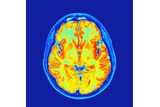
Recent research has revealed that medications prescribed for Attention Deficit Hyperactivity Disorder (ADHD), such as Ritalin and Adderall, may primarily affect the brain’s reward and wakefulness centers rather than directly enhancing attention networks. This finding challenges longstanding assumptions about how these stimulants alleviate symptoms like inattentiveness and impulsivity in children. The study, published in the journal Cell, suggests that these medications may boost motivation and arousal levels, potentially mimicking the effects of a restorative night’s sleep.
Study Highlights and Methodology
The study, conducted by researchers at the Washington University School of Medicine in St. Louis, analyzed data from 5,795 children aged 8 to 11, part of the Adolescent Brain Cognitive Development (ABCD) Study. Among these participants, 337 children had taken stimulants on the morning of the MRI scan, while 76 had a prescription but had not taken their medication that day. The remaining children had neither been prescribed nor taken stimulants.
Researchers found minimal differences in brain regions associated with attention, such as the dorsal attention network and prefrontal cortex, between those who had taken stimulants and those who had not. In contrast, significant changes were noted in areas linked to reward and wakefulness. This indicates that the medications may enhance drive and motivation rather than directly improving focus, as previously thought. “Essentially, we found that stimulants pre-reward our brains, allowing us to engage with tasks that typically do not capture our interest,” stated Nico U. Dosenbach, the David M. & Tracy S. Holtzman Professor of Neurology.
Implications for Treatment and Sleep
The findings have prompted a reevaluation of how ADHD treatments are understood. Benjamin Kay, an assistant professor of neurology at the same institution, noted, “I prescribe a lot of stimulants and have always been taught that they facilitate attention systems. However, we’ve shown that improvements in attention may be secondary effects of increased alertness and task reward.”
The study also highlighted parallels between ADHD medications and sleep patterns. Data indicated that children diagnosed with ADHD, as well as those getting less than the recommended 9 hours of sleep, experienced notable improvements in school performance when taking stimulants. In contrast, no significant benefits were observed in neurotypical children who received adequate sleep.
Researchers caution that while stimulant medications may help alleviate symptoms, they do not substitute for proper sleep. As Kay emphasized, “Not getting enough sleep is always detrimental, particularly for children.” He encourages clinicians to consider a child’s sleep patterns when making ADHD diagnoses.
This article serves as an overview of the research findings and is not intended as medical advice. For further insights and detailed information, readers can refer to the original study in Cell and data provided by the CDC regarding ADHD.

Philadelphia Parks Launch Free Earth Month Events Starting April 1

Bradford’s Fish Fry Fridays Serve Community with Delicious Dinners

Trump Faces Growing Challenges Amid Rising Tensions with Iran

Scientists Probe the Universe’s Missing Topological Defects

Samsung Galaxy Watch 9 to Feature Larger 435mAh Battery

UConn Huskies Aim to Defend Title in 2026 NCAA Women’s Tournament

U.S. Littoral Combat Ships Dock in Malaysia Amid Regional Tensions

Healthy Choice Wellness Reports Quarterly Earnings, Shares Rise

Urgent News: Charles M. Payment Passes Away at 78 in Duluth

University of Hawaiʻi Joins $25.6M AI Project to Enhance Disaster Monitoring

Major Grant Enhances Cancer Care and Research in Hawaiʻi

Joleen Chaney, Beloved Journalist, Passes Leaving Lasting Legacy

San Francisco’s SFO to Welcome 16 Airlines with Nonstop Flights to Europe in 2026

Goldman Sachs Unveils 2026 Catalyst Playbook for Biotech Investors

Discover Top Business Smartphones for Professionals in 2026

Urgent Update: Tom Aspinall’s Vision Deteriorates After UFC 321

Texas Roadhouse Honors Veterans with Free Meal Vouchers

CD Projekt Red Confirms No Release for The Witcher 4 in 2026
-
Science9 months ago
University of Hawaiʻi Joins $25.6M AI Project to Enhance Disaster Monitoring
-
 Health8 months ago
Major Grant Enhances Cancer Care and Research in Hawaiʻi
-
 Top Stories9 months ago
Joleen Chaney, Beloved Journalist, Passes Leaving Lasting Legacy
-
 World7 months ago
San Francisco’s SFO to Welcome 16 Airlines with Nonstop Flights to Europe in 2026
-
 Business8 months ago
Goldman Sachs Unveils 2026 Catalyst Playbook for Biotech Investors
-
 Business8 months ago
Discover Top Business Smartphones for Professionals in 2026
-
 Top Stories9 months ago
Urgent Update: Tom Aspinall’s Vision Deteriorates After UFC 321
-
 Lifestyle9 months ago
Texas Roadhouse Honors Veterans with Free Meal Vouchers
-
 Entertainment8 months ago
CD Projekt Red Confirms No Release for The Witcher 4 in 2026
-

 Top Stories10 months ago
AI Disruption: AWS Faces Threat as Startups Shift Cloud Focus
-

 Health10 months ago
MIT Scientists Uncover Surprising Genomic Loops During Cell Division
-

 Entertainment10 months ago
Discover the Full Map of Pokémon Legends: Z-A’s Lumiose City