
Science
Philadelphia Researchers Develop ‘Cyborg’ Pancreas to Combat Diabetes

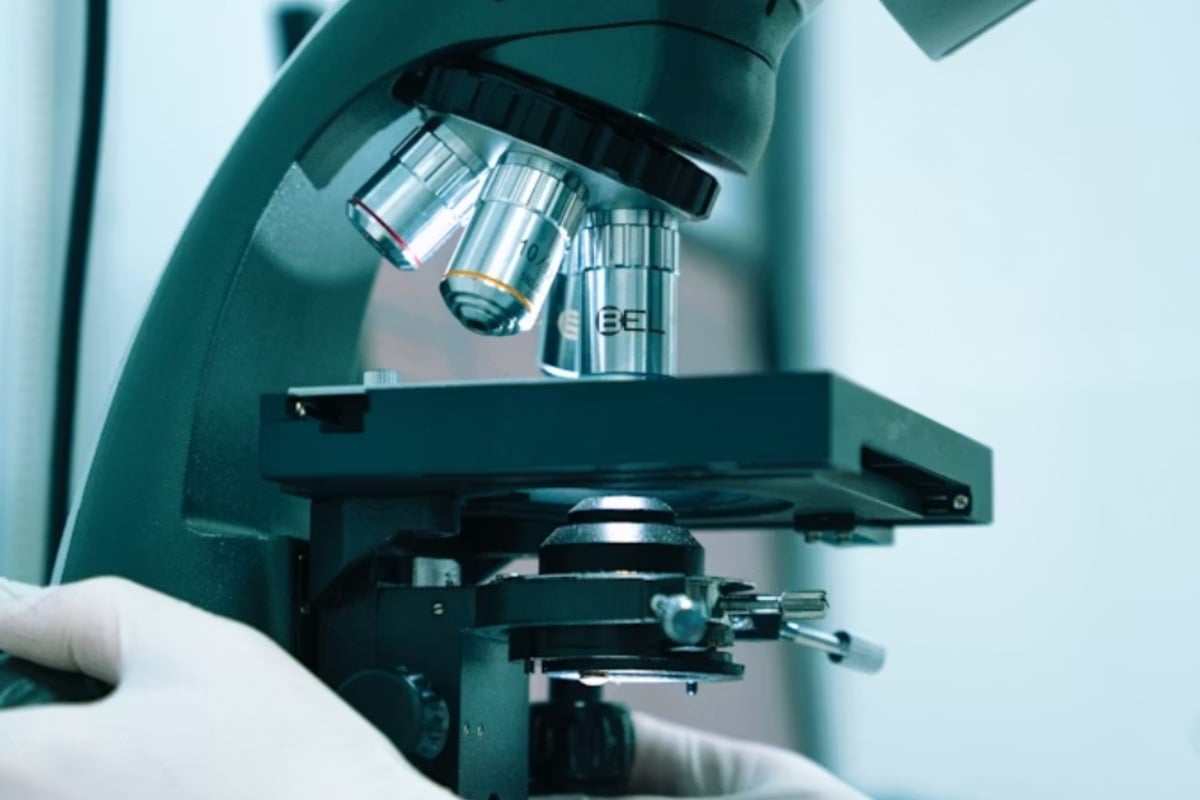
Researchers at the University of Pennsylvania, in collaboration with engineers from Harvard University, have developed a groundbreaking “cyborg” pancreas. This innovation involves wiring lab-grown mini pancreases with ultrathin electronics, aimed at enhancing the maturity and function of insulin-producing cells in a manner that mimics natural pancreatic islets. The findings, published in the journal Science on February 19, 2026, offer promising avenues for improving cell-based transplants for individuals with Type 1 diabetes.
Innovative Technology for Cell Development
The research team has created a stretchable mesh device that is thinner than a human hair. This mesh is integrated into developing pancreatic tissue, allowing it to flex as the organoid expands. According to Penn Medicine, this configuration enables researchers to monitor cellular activity at single-cell resolution. The mesh not only detects electrical signals but also delivers controlled pulses to stimulate the cells, creating a more natural environment for their development.
By mimicking meal-time glucose levels, the team discovered that immature pancreatic cells adopted circadian-like electrical patterns. This synchronization improved the cells’ responsiveness to glucose challenges. The researchers utilized the mesh’s built-in actuators to deliver targeted electrical stimuli, which increased the expression of genes related to energy metabolism and cell communication. The results indicate a significant enhancement in the cells’ ability to release hormones effectively.
Future Applications and Research Directions
Juan Alvarez, an assistant professor at Penn Medicine, described the device as “bionic,” likening its function to that of a pacemaker for pancreatic tissue. The research team is considering two main strategies moving forward: using electrical stimulation to prepare lab-grown pancreatic islets for transplantation, or keeping the sensors in place to monitor and enhance the grafts post-implantation. The researchers emphasize the need for further testing to assess long-term safety, durability, and compatibility with the immune system before advancing to human trials.
The study’s co-first authors, Qiang Li and Ren Liu, along with co-senior authors Jia Liu and Juan R. Alvarez-Dominguez, represent both Harvard SEAS and the Perelman School of Medicine. Funding for this research was provided by the National Institutes of Health (NIH), JDRF, and the JPB Foundation, among other sources. As the team prepares for preclinical testing, they aim to determine whether this approach can be scaled for human application and how well the bioelectronic scaffold withstands immune responses and long-term usage.
This innovative research represents a significant step toward enhancing treatments for diabetes, potentially transforming the way pancreatic cell transplants are approached in the future.

Philadelphia Parks Launch Free Earth Month Events Starting April 1

Bradford’s Fish Fry Fridays Serve Community with Delicious Dinners

Trump Faces Growing Challenges Amid Rising Tensions with Iran

Scientists Probe the Universe’s Missing Topological Defects

Samsung Galaxy Watch 9 to Feature Larger 435mAh Battery

UConn Huskies Aim to Defend Title in 2026 NCAA Women’s Tournament

U.S. Littoral Combat Ships Dock in Malaysia Amid Regional Tensions

Healthy Choice Wellness Reports Quarterly Earnings, Shares Rise

Urgent News: Charles M. Payment Passes Away at 78 in Duluth

University of Hawaiʻi Joins $25.6M AI Project to Enhance Disaster Monitoring

Major Grant Enhances Cancer Care and Research in Hawaiʻi

Joleen Chaney, Beloved Journalist, Passes Leaving Lasting Legacy

San Francisco’s SFO to Welcome 16 Airlines with Nonstop Flights to Europe in 2026

Goldman Sachs Unveils 2026 Catalyst Playbook for Biotech Investors

Discover Top Business Smartphones for Professionals in 2026

Urgent Update: Tom Aspinall’s Vision Deteriorates After UFC 321

Texas Roadhouse Honors Veterans with Free Meal Vouchers

CD Projekt Red Confirms No Release for The Witcher 4 in 2026
-
Science9 months ago
University of Hawaiʻi Joins $25.6M AI Project to Enhance Disaster Monitoring
-
 Health8 months ago
Major Grant Enhances Cancer Care and Research in Hawaiʻi
-
 Top Stories9 months ago
Joleen Chaney, Beloved Journalist, Passes Leaving Lasting Legacy
-
 World7 months ago
San Francisco’s SFO to Welcome 16 Airlines with Nonstop Flights to Europe in 2026
-
 Business8 months ago
Goldman Sachs Unveils 2026 Catalyst Playbook for Biotech Investors
-
 Business7 months ago
Discover Top Business Smartphones for Professionals in 2026
-
 Top Stories9 months ago
Urgent Update: Tom Aspinall’s Vision Deteriorates After UFC 321
-
 Lifestyle9 months ago
Texas Roadhouse Honors Veterans with Free Meal Vouchers
-
 Entertainment8 months ago
CD Projekt Red Confirms No Release for The Witcher 4 in 2026
-

 Top Stories10 months ago
AI Disruption: AWS Faces Threat as Startups Shift Cloud Focus
-

 Health10 months ago
MIT Scientists Uncover Surprising Genomic Loops During Cell Division
-

 Entertainment10 months ago
Discover the Full Map of Pokémon Legends: Z-A’s Lumiose City