
Science
Researchers Uncover New Weapon Against Antibiotic Resistance

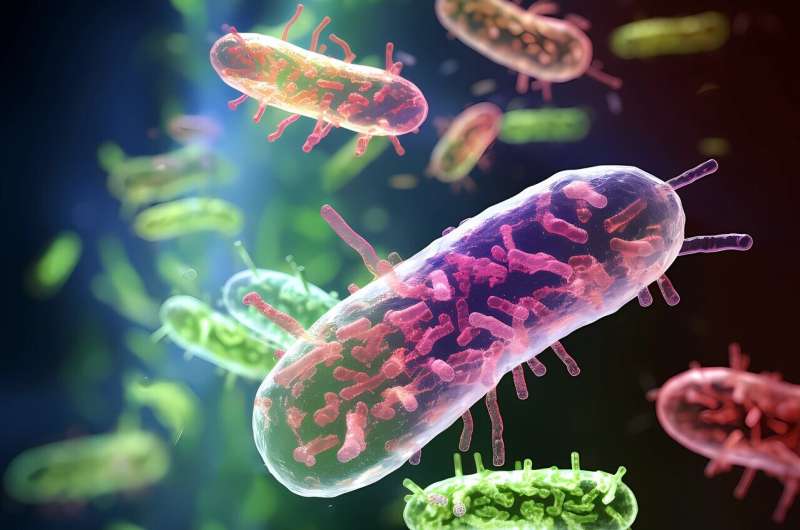
A recent study has identified a novel mechanism of antibiotic resistance in bacteria, offering potential new strategies in the fight against antimicrobial resistance (AMR). Conducted by researchers at the University of Edinburgh, the findings suggest that targeting a specific bacterial repair system could enhance the effectiveness of existing antibiotics.
The research, published in Nature Communications on November 11, 2025, reveals that a unique repair system known as Rtc plays a crucial role in enabling certain bacteria to survive antibiotic treatments. Traditional antibiotics often disrupt the production of proteins necessary for bacterial growth. However, the Rtc system allows these bacteria to repair damaged RNA, which is essential for translating genetic information into functional proteins. This repair mechanism enables continued protein production and growth despite the presence of antibiotics.
Understanding Bacterial Survival Strategies
One significant finding from the study is the variability in how bacterial cells respond to antibiotics. The expression of the Rtc repair system differs from cell to cell, which may explain the challenges in treating some infections. Some bacteria exhibit a higher level of resistance, complicating treatment options.
Utilizing a combination of computer models and laboratory experiments involving E. coli, the research team has highlighted the importance of tailoring treatments to target specific components of the Rtc repair system. This approach could significantly improve the efficacy of existing antibiotics, making them more effective at eliminating infections.
Dr. Andrea Weisse, who led the study at the University of Edinburgh’s Schools of Biological Sciences and Informatics, emphasized the intelligence of bacteria in evading antibiotics. She stated, “Bacteria are clever little things. They have been learning how to dodge our antibiotics, and they are getting better at it all the time. If we don’t find new drugs—or new tricks to outsmart them—we are in trouble.”
Implications for Future Treatments
The study not only sheds light on the complex strategies bacteria use to survive but also opens new avenues for developing therapies that can more effectively combat AMR. Researchers aim to gain a deeper understanding of bacterial defense mechanisms, which could lead to innovative treatments for infections that currently pose significant health risks.
As AMR continues to be one of the most pressing health challenges globally, the discovery of the Rtc repair system represents a pivotal step forward. By identifying and targeting these bacterial defenses, scientists hope to improve treatment protocols and safeguard public health against the rising threat of resistant infections.
This research underscores the urgent need for continued exploration into bacterial mechanisms and highlights the importance of scientific innovation in addressing critical health issues.

Philadelphia Parks Launch Free Earth Month Events Starting April 1

Bradford’s Fish Fry Fridays Serve Community with Delicious Dinners

Trump Faces Growing Challenges Amid Rising Tensions with Iran

Scientists Probe the Universe’s Missing Topological Defects

Samsung Galaxy Watch 9 to Feature Larger 435mAh Battery

UConn Huskies Aim to Defend Title in 2026 NCAA Women’s Tournament

U.S. Littoral Combat Ships Dock in Malaysia Amid Regional Tensions

Healthy Choice Wellness Reports Quarterly Earnings, Shares Rise

Urgent News: Charles M. Payment Passes Away at 78 in Duluth

University of Hawaiʻi Joins $25.6M AI Project to Enhance Disaster Monitoring

Major Grant Enhances Cancer Care and Research in Hawaiʻi

Joleen Chaney, Beloved Journalist, Passes Leaving Lasting Legacy

San Francisco’s SFO to Welcome 16 Airlines with Nonstop Flights to Europe in 2026

Goldman Sachs Unveils 2026 Catalyst Playbook for Biotech Investors

Discover Top Business Smartphones for Professionals in 2026

Urgent Update: Tom Aspinall’s Vision Deteriorates After UFC 321

Texas Roadhouse Honors Veterans with Free Meal Vouchers

CD Projekt Red Confirms No Release for The Witcher 4 in 2026
-
Science9 months ago
University of Hawaiʻi Joins $25.6M AI Project to Enhance Disaster Monitoring
-
 Health8 months ago
Major Grant Enhances Cancer Care and Research in Hawaiʻi
-
 Top Stories9 months ago
Joleen Chaney, Beloved Journalist, Passes Leaving Lasting Legacy
-
 World7 months ago
San Francisco’s SFO to Welcome 16 Airlines with Nonstop Flights to Europe in 2026
-
 Business8 months ago
Goldman Sachs Unveils 2026 Catalyst Playbook for Biotech Investors
-
 Business8 months ago
Discover Top Business Smartphones for Professionals in 2026
-
 Top Stories9 months ago
Urgent Update: Tom Aspinall’s Vision Deteriorates After UFC 321
-
 Lifestyle9 months ago
Texas Roadhouse Honors Veterans with Free Meal Vouchers
-
 Entertainment8 months ago
CD Projekt Red Confirms No Release for The Witcher 4 in 2026
-

 Top Stories10 months ago
AI Disruption: AWS Faces Threat as Startups Shift Cloud Focus
-

 Health10 months ago
MIT Scientists Uncover Surprising Genomic Loops During Cell Division
-

 Entertainment10 months ago
Discover the Full Map of Pokémon Legends: Z-A’s Lumiose City