
Science
Rubin Observatory’s Alert System Launches with 800,000 Notifications

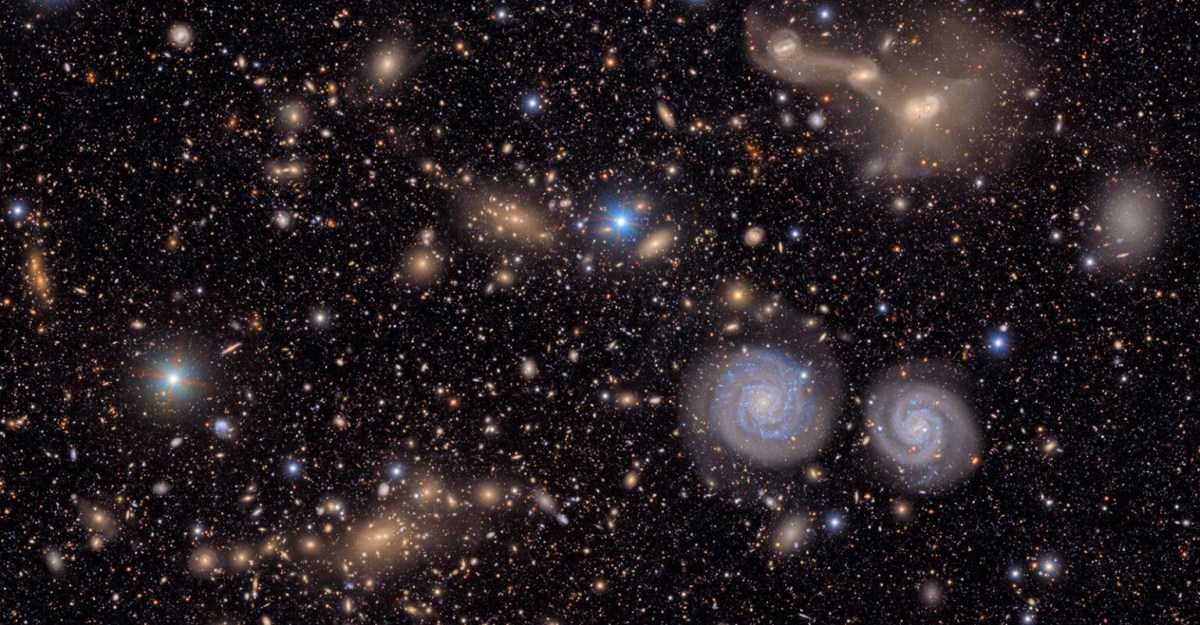
The Vera C. Rubin Observatory has officially launched its automated alert system, generating a remarkable 800,000 alerts on its first night of operation. This event occurred on February 24, 2024, marking a significant milestone for astronomers eager to explore the cosmos. The system delivers notifications about various celestial phenomena, including asteroids, supernovas, and black holes, and is expected to increase its output to millions of alerts each night.
The observatory previously released its first images captured by the Legacy Survey of Space and Time (LSST) camera in June 2023. Researchers and astronomy enthusiasts have been anticipating this launch, as it promises to enhance the speed and efficiency of astronomical observations. Each night, the LSST camera captures approximately 1,000 images, which are then compared to a reference image taken when the telescope first became operational.
The alert system utilizes sophisticated algorithms to identify changes in the night sky. By comparing current images with the reference data, differences are flagged automatically. This technology enables the system to differentiate between various events, such as potential supernovas and approaching asteroids, sending alerts to interested astronomers within minutes. This rapid response is crucial for studying transient celestial events, which may not be observable for long periods.
To manage the influx of notifications, the alert system allows users to filter alerts by event type, brightness, and the frequency of occurrences. This feature is designed to prevent researchers from becoming overwhelmed as the observatory’s discovery rate increases. The Rubin Observatory’s innovative approach aims to streamline the process of tracking and studying significant astronomical events, ultimately enhancing our understanding of the universe.
As the alert system becomes fully operational, the Rubin Observatory is set to play a pivotal role in modern astronomy. The insights gained from this initiative have the potential to reshape our knowledge of space, facilitating groundbreaking discoveries and advancing research in astrophysics. The excitement surrounding this launch underscores the importance of technological advancements in expanding our exploration of the night sky.

Philadelphia Parks Launch Free Earth Month Events Starting April 1

Bradford’s Fish Fry Fridays Serve Community with Delicious Dinners

Trump Faces Growing Challenges Amid Rising Tensions with Iran

Scientists Probe the Universe’s Missing Topological Defects

Samsung Galaxy Watch 9 to Feature Larger 435mAh Battery

UConn Huskies Aim to Defend Title in 2026 NCAA Women’s Tournament

U.S. Littoral Combat Ships Dock in Malaysia Amid Regional Tensions

Healthy Choice Wellness Reports Quarterly Earnings, Shares Rise

Urgent News: Charles M. Payment Passes Away at 78 in Duluth

University of Hawaiʻi Joins $25.6M AI Project to Enhance Disaster Monitoring

Major Grant Enhances Cancer Care and Research in Hawaiʻi

Joleen Chaney, Beloved Journalist, Passes Leaving Lasting Legacy

San Francisco’s SFO to Welcome 16 Airlines with Nonstop Flights to Europe in 2026

Goldman Sachs Unveils 2026 Catalyst Playbook for Biotech Investors

Discover Top Business Smartphones for Professionals in 2026

Urgent Update: Tom Aspinall’s Vision Deteriorates After UFC 321

Texas Roadhouse Honors Veterans with Free Meal Vouchers

CD Projekt Red Confirms No Release for The Witcher 4 in 2026
-
Science9 months ago
University of Hawaiʻi Joins $25.6M AI Project to Enhance Disaster Monitoring
-
 Health8 months ago
Major Grant Enhances Cancer Care and Research in Hawaiʻi
-
 Top Stories9 months ago
Joleen Chaney, Beloved Journalist, Passes Leaving Lasting Legacy
-
 World7 months ago
San Francisco’s SFO to Welcome 16 Airlines with Nonstop Flights to Europe in 2026
-
 Business8 months ago
Goldman Sachs Unveils 2026 Catalyst Playbook for Biotech Investors
-
 Business7 months ago
Discover Top Business Smartphones for Professionals in 2026
-
 Top Stories9 months ago
Urgent Update: Tom Aspinall’s Vision Deteriorates After UFC 321
-
 Lifestyle9 months ago
Texas Roadhouse Honors Veterans with Free Meal Vouchers
-
 Entertainment8 months ago
CD Projekt Red Confirms No Release for The Witcher 4 in 2026
-

 Top Stories10 months ago
AI Disruption: AWS Faces Threat as Startups Shift Cloud Focus
-

 Health10 months ago
MIT Scientists Uncover Surprising Genomic Loops During Cell Division
-

 Entertainment10 months ago
Discover the Full Map of Pokémon Legends: Z-A’s Lumiose City