
Science
Scientists Develop Biocomputers Using Human Brain Cells

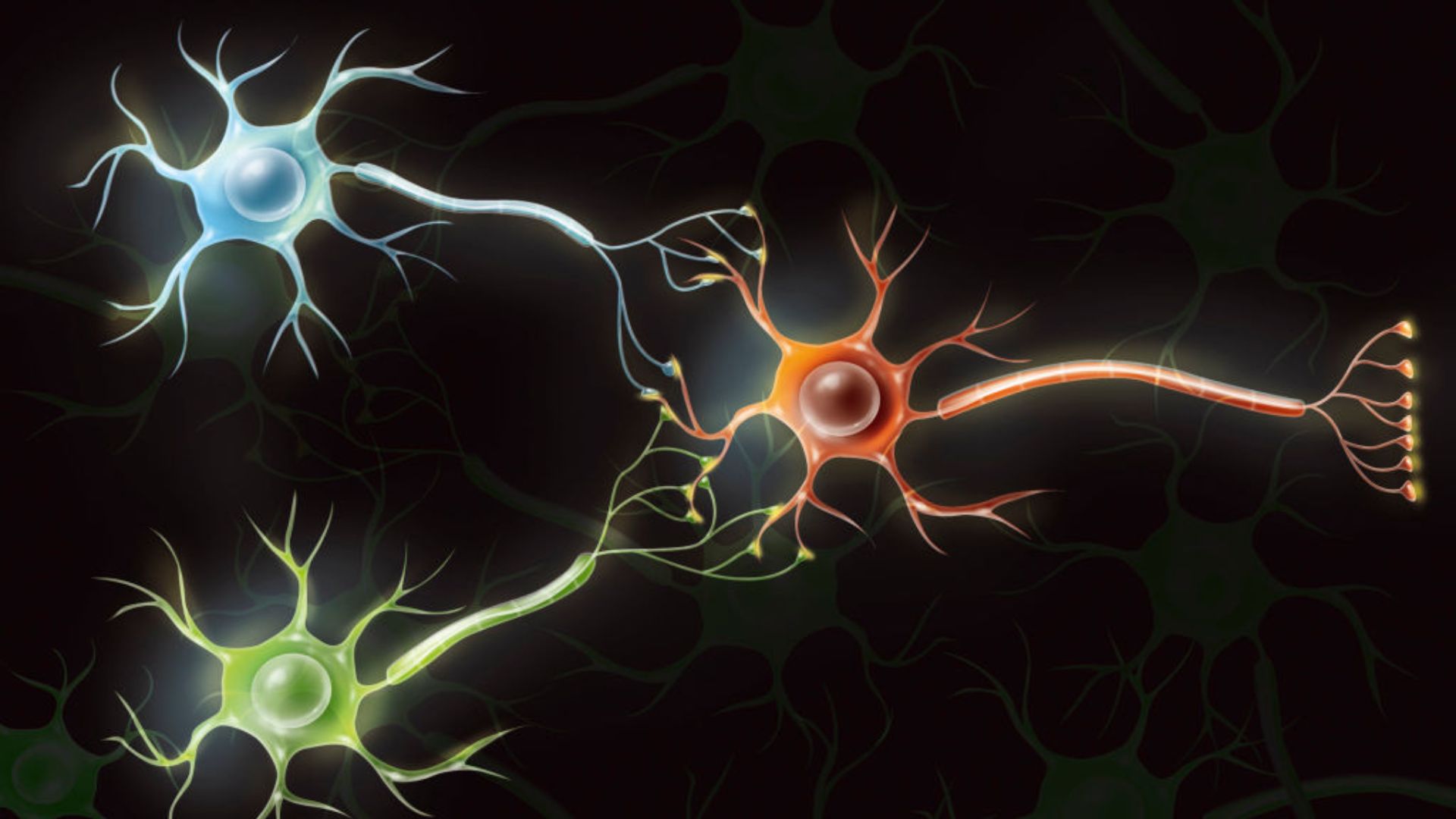
Researchers at the University of California, San Diego have made significant strides in the field of biocomputing by transforming human brain cells into functional computers. This pioneering work, detailed in a recent publication in the IEEE Transactions on Biomedical Engineering, showcases the potential of biologically derived materials to perform computational tasks traditionally handled by electronic devices.
Understanding Biocomputers
A biocomputer utilizes materials such as DNA, proteins, and living tissues, particularly lab-grown neurons, to execute complex calculations. Unlike conventional computers that rely on silicon and metal, these biological systems operate using the intricate processes of living cells, merging biology with technology in a groundbreaking approach.
The research team successfully demonstrated that by programming human brain cells, they could create a system capable of processing information. This innovative method not only marks a significant advancement in computational technology but also opens new avenues for understanding brain function and neural networks.
Implications for Future Technology
The implications of this research extend beyond mere computation. Biocomputers could revolutionize fields such as artificial intelligence, medicine, and environmental science. For instance, they may lead to more efficient data processing systems that mimic brain functions, potentially resulting in smarter AI applications.
Furthermore, the ability to harness human brain cells raises ethical considerations regarding the use of biological materials in technology. As researchers continue to explore this intersection, they must navigate the complex landscape of ethics and safety associated with manipulating living tissues for technological purposes.
The potential applications are vast. Biocomputers could be utilized in medical diagnostics, where they might analyze biological samples more accurately than current technologies. By integrating living cells into computational frameworks, researchers hope to develop systems that can adapt and learn, similar to human thought processes.
As this field develops, ongoing research will focus on improving the efficiency and reliability of biocomputers. The current findings emphasize not only the innovative aspects of biocomputers but also the necessity for thorough investigations into their long-term viability and societal impact.
In conclusion, the groundbreaking research at the University of California, San Diego represents a remarkable step forward in the domain of biocomputing. As scientists harness the power of human brain cells, the future of technology may be redefined, paving the way for a new era of biological computing.

Philadelphia Parks Launch Free Earth Month Events Starting April 1

Bradford’s Fish Fry Fridays Serve Community with Delicious Dinners

Trump Faces Growing Challenges Amid Rising Tensions with Iran

Scientists Probe the Universe’s Missing Topological Defects

Samsung Galaxy Watch 9 to Feature Larger 435mAh Battery

UConn Huskies Aim to Defend Title in 2026 NCAA Women’s Tournament

U.S. Littoral Combat Ships Dock in Malaysia Amid Regional Tensions

Healthy Choice Wellness Reports Quarterly Earnings, Shares Rise

Urgent News: Charles M. Payment Passes Away at 78 in Duluth

University of Hawaiʻi Joins $25.6M AI Project to Enhance Disaster Monitoring

Major Grant Enhances Cancer Care and Research in Hawaiʻi

Joleen Chaney, Beloved Journalist, Passes Leaving Lasting Legacy

San Francisco’s SFO to Welcome 16 Airlines with Nonstop Flights to Europe in 2026

Goldman Sachs Unveils 2026 Catalyst Playbook for Biotech Investors

Discover Top Business Smartphones for Professionals in 2026

Urgent Update: Tom Aspinall’s Vision Deteriorates After UFC 321

Texas Roadhouse Honors Veterans with Free Meal Vouchers

CD Projekt Red Confirms No Release for The Witcher 4 in 2026
-
Science9 months ago
University of Hawaiʻi Joins $25.6M AI Project to Enhance Disaster Monitoring
-
 Health8 months ago
Major Grant Enhances Cancer Care and Research in Hawaiʻi
-
 Top Stories9 months ago
Joleen Chaney, Beloved Journalist, Passes Leaving Lasting Legacy
-
 World7 months ago
San Francisco’s SFO to Welcome 16 Airlines with Nonstop Flights to Europe in 2026
-
 Business8 months ago
Goldman Sachs Unveils 2026 Catalyst Playbook for Biotech Investors
-
 Business8 months ago
Discover Top Business Smartphones for Professionals in 2026
-
 Top Stories9 months ago
Urgent Update: Tom Aspinall’s Vision Deteriorates After UFC 321
-
 Lifestyle9 months ago
Texas Roadhouse Honors Veterans with Free Meal Vouchers
-
 Entertainment8 months ago
CD Projekt Red Confirms No Release for The Witcher 4 in 2026
-

 Top Stories10 months ago
AI Disruption: AWS Faces Threat as Startups Shift Cloud Focus
-

 Health10 months ago
MIT Scientists Uncover Surprising Genomic Loops During Cell Division
-

 Entertainment10 months ago
Discover the Full Map of Pokémon Legends: Z-A’s Lumiose City