
Science
Scientists Face Ethical Dilemmas in Creating Human Embryo Models

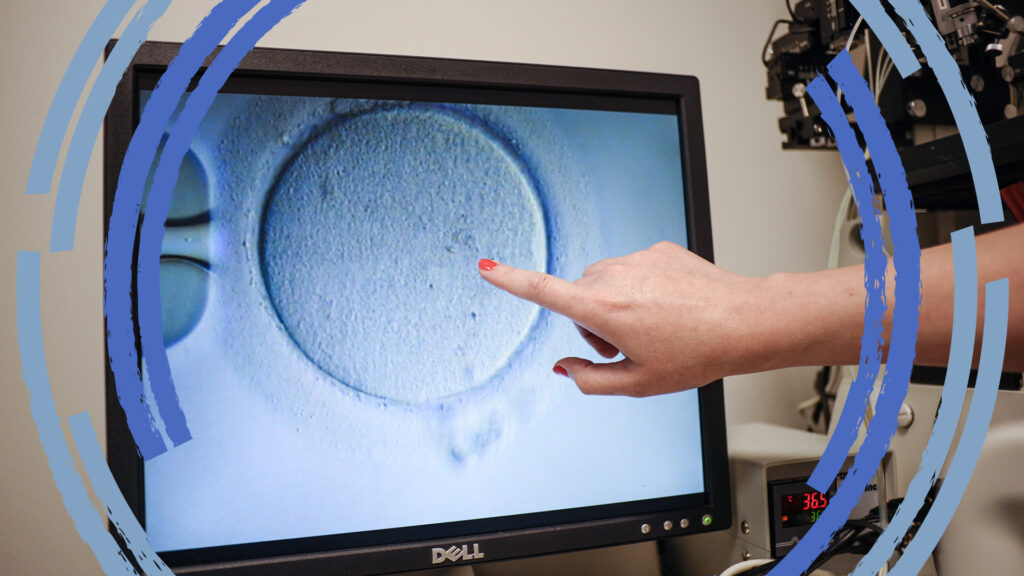
Researchers are making significant strides in creating highly realistic human embryo models using stem cells in laboratory settings. These new models closely resemble actual human embryos, raising both excitement and ethical concerns within the scientific community. The primary aim of developing these models is to enhance the understanding of early human development and related diseases, potentially leading to breakthroughs in medical research.
The implications of these advancements are profound. In addition to advancing research, these embryo models could serve as an alternative source of tissues for clinical applications, which may reduce the reliance on traditional organ transplantation. This shift could significantly impact the field of regenerative medicine, offering new avenues for treatment and therapy.
Despite the promising potential, biologists are divided on crucial issues surrounding the use of these embryo-like structures. A pressing concern is the duration for which these models should be allowed to develop in the lab. Recently, a group of experts proposed a strict limit of eight weeks for growth, with some advocating for a more conservative four-week cessation. These recommendations have ignited debate among researchers, as differing opinions emerge regarding the ethical implications and scientific value of longer cultivation periods.
Some scientists argue that extending the growth period could unlock further insights into human development processes. They believe that understanding the full developmental trajectory is essential for addressing complex health issues. Conversely, others assert that prolonged experimentation raises ethical dilemmas, particularly regarding the status of the embryo models and their potential to resemble living humans.
This ongoing debate touches upon various dilemmas in the field, including the moral considerations of creating human-like structures and the implications for future research. As discussions progress, the resolution of these dilemmas will likely shape the trajectory of this groundbreaking area of study. The scientific community is at a pivotal moment, where decisions made today could have far-reaching consequences for both research and ethical standards in biology.
The conversation around human embryo models exemplifies a significant intersection of science and ethics, prompting researchers to navigate complex dilemmas as they forge ahead in this innovative field. As the technology evolves, it will be essential for the scientific community to engage in constructive dialogue to address these challenges responsibly. This ongoing engagement will ultimately determine the future of embryo modeling and its application in medicine and research.

Philadelphia Parks Launch Free Earth Month Events Starting April 1

Bradford’s Fish Fry Fridays Serve Community with Delicious Dinners

Trump Faces Growing Challenges Amid Rising Tensions with Iran

Scientists Probe the Universe’s Missing Topological Defects

Samsung Galaxy Watch 9 to Feature Larger 435mAh Battery

UConn Huskies Aim to Defend Title in 2026 NCAA Women’s Tournament

U.S. Littoral Combat Ships Dock in Malaysia Amid Regional Tensions

Healthy Choice Wellness Reports Quarterly Earnings, Shares Rise

Urgent News: Charles M. Payment Passes Away at 78 in Duluth

University of Hawaiʻi Joins $25.6M AI Project to Enhance Disaster Monitoring

Major Grant Enhances Cancer Care and Research in Hawaiʻi

Joleen Chaney, Beloved Journalist, Passes Leaving Lasting Legacy

San Francisco’s SFO to Welcome 16 Airlines with Nonstop Flights to Europe in 2026

Goldman Sachs Unveils 2026 Catalyst Playbook for Biotech Investors

Discover Top Business Smartphones for Professionals in 2026

Urgent Update: Tom Aspinall’s Vision Deteriorates After UFC 321

Texas Roadhouse Honors Veterans with Free Meal Vouchers

CD Projekt Red Confirms No Release for The Witcher 4 in 2026
-
Science9 months ago
University of Hawaiʻi Joins $25.6M AI Project to Enhance Disaster Monitoring
-
 Health8 months ago
Major Grant Enhances Cancer Care and Research in Hawaiʻi
-
 Top Stories9 months ago
Joleen Chaney, Beloved Journalist, Passes Leaving Lasting Legacy
-
 World7 months ago
San Francisco’s SFO to Welcome 16 Airlines with Nonstop Flights to Europe in 2026
-
 Business8 months ago
Goldman Sachs Unveils 2026 Catalyst Playbook for Biotech Investors
-
 Business7 months ago
Discover Top Business Smartphones for Professionals in 2026
-
 Top Stories9 months ago
Urgent Update: Tom Aspinall’s Vision Deteriorates After UFC 321
-
 Lifestyle9 months ago
Texas Roadhouse Honors Veterans with Free Meal Vouchers
-
 Entertainment8 months ago
CD Projekt Red Confirms No Release for The Witcher 4 in 2026
-

 Top Stories10 months ago
AI Disruption: AWS Faces Threat as Startups Shift Cloud Focus
-

 Health10 months ago
MIT Scientists Uncover Surprising Genomic Loops During Cell Division
-

 Entertainment10 months ago
Discover the Full Map of Pokémon Legends: Z-A’s Lumiose City