
Science
U.S. Army Advances Nuclear Microreactor Technology for Energy Security

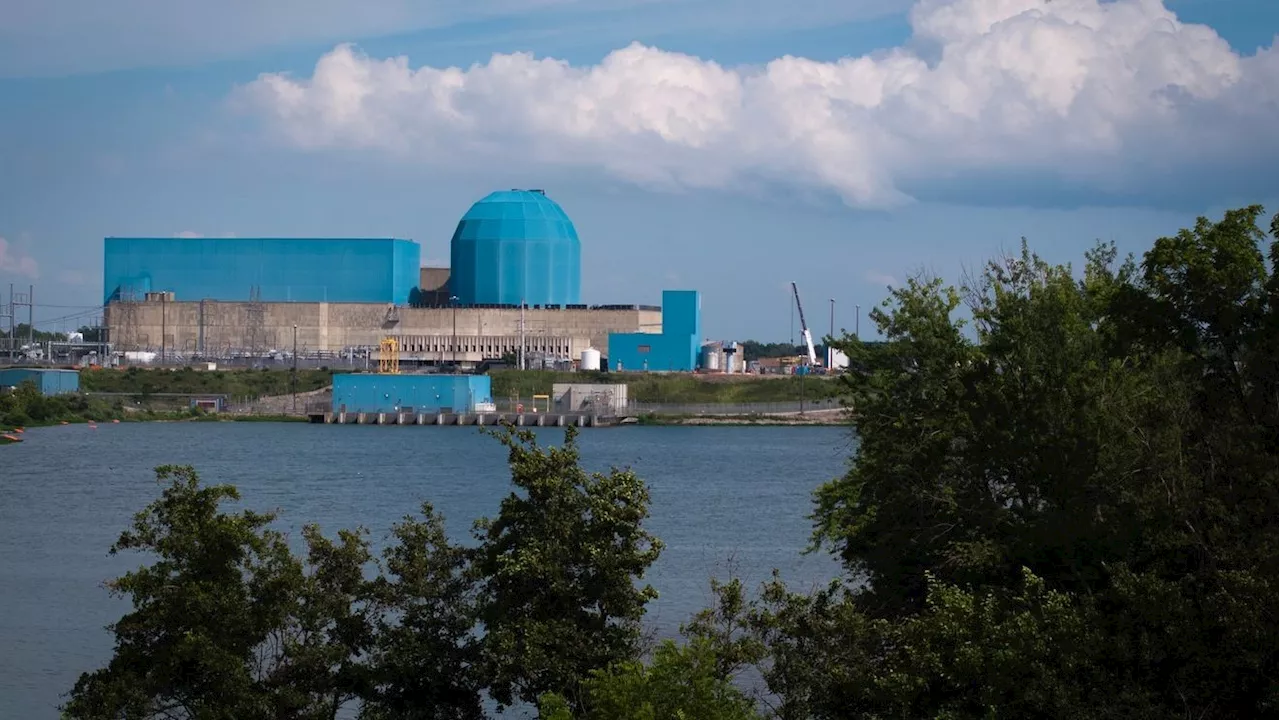
The U.S. Army is progressing towards the deployment of nuclear microreactors, a new technology that has the potential to transform energy production in the United States. These compact reactors, designed to generate less than 20 megawatts of electricity, are mobile enough to be transported on trucks, making them suitable for various applications, including military bases and remote communities.
The Army’s initiative is part of a broader effort to enhance energy security and reduce reliance on traditional electrical grids. Energy Secretary Chris Wright emphasized the importance of this technology during a recent interview, stating, “Like replacing a remote diesel generator in an Alaskan village or at a remote mine site, the administration is supporting all of these efforts.”
Evaluating Deployment at Military Bases
Under the Janus program, the Army is considering the installation of microreactors at nine domestic military bases, including Fort Bragg, Fort Hood, Fort Drum, Joint Base Lewis-McChord, and Redstone Arsenal. The goal is to ensure that these installations can maintain operations during power outages, which are increasingly common due to extreme weather events, cyberattacks, and other disruptions.
The ability to generate power on-site could significantly enhance the resilience of military infrastructure. By reducing dependence on civilian power grids, the Army aims to create a more self-sufficient energy model that can better withstand challenges.
Challenges and Future Prospects
The development of microreactors has gained momentum under the previous administration, which prioritized advanced nuclear technologies to revitalize the domestic nuclear sector. Secretary Wright noted that the Department of Energy expects to showcase approximately ten different reactor designs over the next two years, with the potential for construction of small modular reactors to commence as early as next year.
Microreactors stand out from traditional nuclear plants not only in size but also in their construction processes. Instead of being built on-site over extended periods, often taking over a decade, these reactors are designed to be manufactured in factories and delivered fully assembled. This streamlined approach presents significant advantages but also poses financial challenges.
Manufacturers are required to invest heavily in production facilities, while potential customers often seek assurances of long-term reliability and regulatory compliance before making commitments. Furthermore, public perception remains a crucial factor. With decades of skepticism surrounding nuclear power, gaining community acceptance will be essential for the successful deployment of microreactors beyond military applications.
The Army’s current testing efforts represent an initial step towards demonstrating the viability of nuclear microreactors. Supporters are hopeful that these tests will validate the promise of clean, reliable energy, paving the way for wider adoption in both military and civilian contexts.
As the U.S. Army explores this innovative energy solution, the implications could extend far beyond military bases, potentially reshaping the future of energy generation in a world increasingly focused on sustainability and resilience.

Philadelphia Parks Launch Free Earth Month Events Starting April 1

Bradford’s Fish Fry Fridays Serve Community with Delicious Dinners

Trump Faces Growing Challenges Amid Rising Tensions with Iran

Scientists Probe the Universe’s Missing Topological Defects

Samsung Galaxy Watch 9 to Feature Larger 435mAh Battery

UConn Huskies Aim to Defend Title in 2026 NCAA Women’s Tournament

U.S. Littoral Combat Ships Dock in Malaysia Amid Regional Tensions

Healthy Choice Wellness Reports Quarterly Earnings, Shares Rise

Urgent News: Charles M. Payment Passes Away at 78 in Duluth

University of Hawaiʻi Joins $25.6M AI Project to Enhance Disaster Monitoring

Major Grant Enhances Cancer Care and Research in Hawaiʻi

Joleen Chaney, Beloved Journalist, Passes Leaving Lasting Legacy

San Francisco’s SFO to Welcome 16 Airlines with Nonstop Flights to Europe in 2026

Goldman Sachs Unveils 2026 Catalyst Playbook for Biotech Investors

Discover Top Business Smartphones for Professionals in 2026

Urgent Update: Tom Aspinall’s Vision Deteriorates After UFC 321

Texas Roadhouse Honors Veterans with Free Meal Vouchers

CD Projekt Red Confirms No Release for The Witcher 4 in 2026
-
Science9 months ago
University of Hawaiʻi Joins $25.6M AI Project to Enhance Disaster Monitoring
-
 Health8 months ago
Major Grant Enhances Cancer Care and Research in Hawaiʻi
-
 Top Stories9 months ago
Joleen Chaney, Beloved Journalist, Passes Leaving Lasting Legacy
-
 World7 months ago
San Francisco’s SFO to Welcome 16 Airlines with Nonstop Flights to Europe in 2026
-
 Business8 months ago
Goldman Sachs Unveils 2026 Catalyst Playbook for Biotech Investors
-
 Business8 months ago
Discover Top Business Smartphones for Professionals in 2026
-
 Top Stories9 months ago
Urgent Update: Tom Aspinall’s Vision Deteriorates After UFC 321
-
 Lifestyle9 months ago
Texas Roadhouse Honors Veterans with Free Meal Vouchers
-
 Entertainment8 months ago
CD Projekt Red Confirms No Release for The Witcher 4 in 2026
-

 Top Stories10 months ago
AI Disruption: AWS Faces Threat as Startups Shift Cloud Focus
-

 Health10 months ago
MIT Scientists Uncover Surprising Genomic Loops During Cell Division
-

 Entertainment10 months ago
Discover the Full Map of Pokémon Legends: Z-A’s Lumiose City