
Science
UConn Faces $95 Million Funding Shortfall Amid Federal Cuts

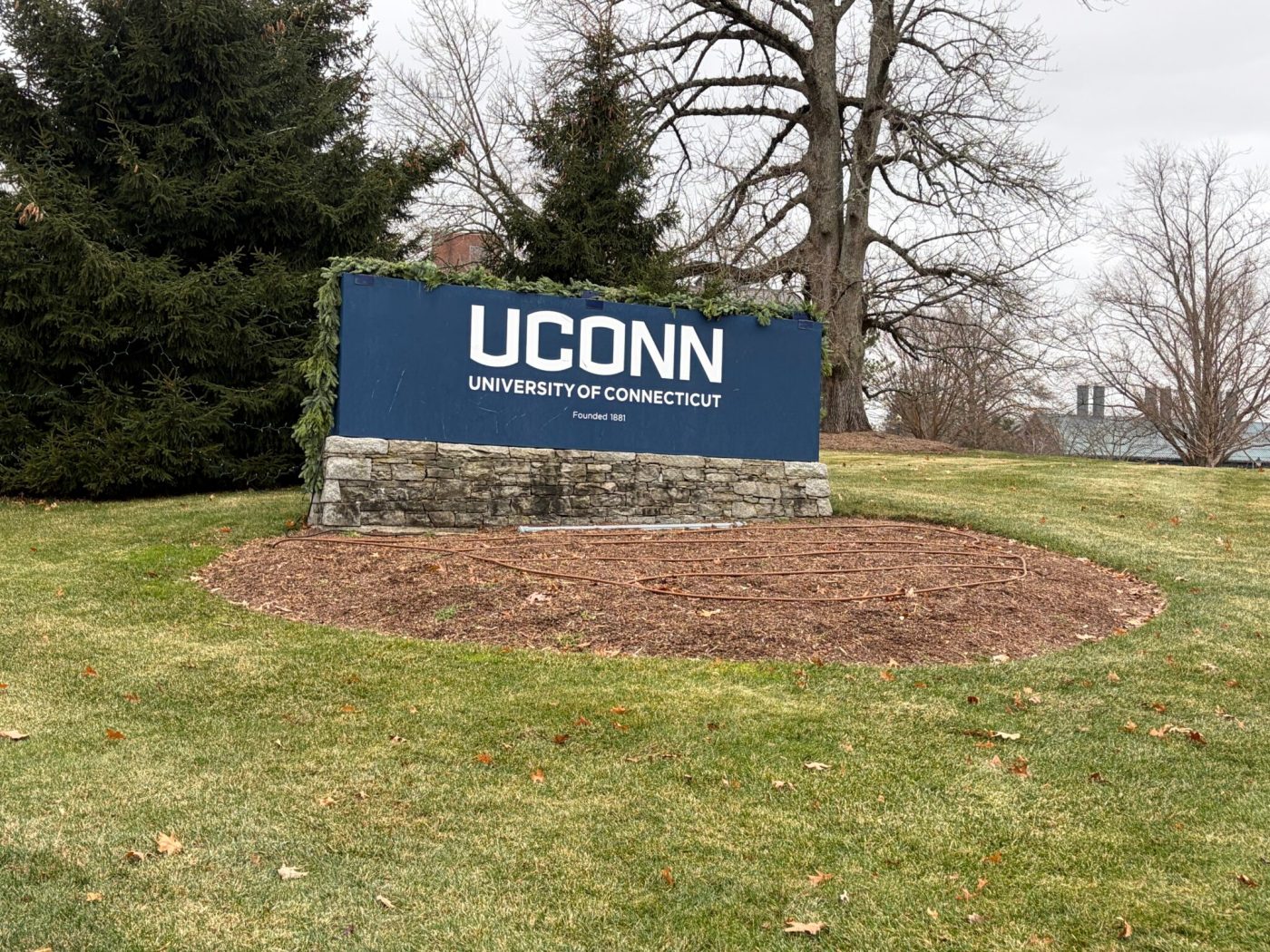
The University of Connecticut (UConn) is grappling with a staggering loss of nearly $95 million in federal research funding, impacting its faculty, staff, and graduate students. This decline stems from reduced, slowed, or terminated federal awards, with significant implications for programs that support low-income families and critical research initiatives.
Professor Jennifer McGarry, who has dedicated over 20 years to a federally funded nutrition and physical activity initiative in Greater Hartford, recently learned that her program would lose $2 million in federal support. This funding, part of a larger $5 million statewide grant from the U.S. Department of Agriculture, was cut as part of broader reductions affecting UConn. McGarry expressed the emotional toll of the cuts, stating, “There’s just this aura of awfulness… it interrupts your ability to focus and have a path or a series of goals for the work that you’re doing.”
The federal funding crisis has escalated since the beginning of the Trump administration in January 2025, which has canceled previously approved research grants and imposed stricter scrutiny on funding related to diversity, equity, and inclusion, as well as climate change and public health initiatives. While UConn has not been at the forefront of high-profile battles over funding, it has nonetheless felt the effects of these sweeping changes.
Interim Vice President of Research Lindsay DiStefano reported that UConn has experienced a loss of $41 million from terminated grants and unexpected non-renewals, with new awards down $54 million for fiscal year 2025 compared to the previous year. “The research being done at UConn is important — not just to our university, but it makes actual impacts,” DiStefano remarked, highlighting the far-reaching consequences of the cuts.
The faculty and staff affected by these funding reductions include over 1,700 individuals whose salaries are partially funded by federal grants. Political science professor Jeffrey Dudas saw his $135,000 grant from the National Endowment for the Humanities canceled after just one year, leaving him without resources to continue his writing and podcast project on artificial intelligence in popular culture. “We got a one-sentence notice… with no explanation,” he noted.
In addition to the direct impact on grants, the overall landscape for federal research funding has deteriorated. Reports indicate that the National Institutes of Health (NIH) terminated 2,100 research grants totaling $9.5 billion within the first six months of the current administration, while the National Science Foundation (NSF) has canceled more than 1,600 active grants valued at approximately $1.5 billion.
The ramifications of these cuts extend beyond immediate funding losses. Professor Nathan Alder, who researches chronic diseases, noted that the competition for grants has intensified dramatically. Funding success rates have plummeted from about one in ten to just one in fifty. Alder is exploring alternative funding sources, such as partnerships with industry, to sustain his research. He remarked, “We’re all having to figure out how to reposition ourselves and keep our research programs afloat.”
UConn has taken steps to mitigate the impact of lost federal funding through its Emergency Research Grant Expenditure Fund, established in spring 2025. As of October 20, the university has granted $1.6 million in support to twelve researchers whose grants were terminated. DiStefano emphasized the priority of minimizing layoffs and ensuring that graduate students remain on track to complete their degrees.
Amid these challenges, UConn officials have maintained open communication with faculty and staff. Regular meetings and the establishment of ad hoc task forces aim to assist researchers in navigating the funding landscape and exploring alternative resources. Despite the setbacks, McGarry was able to secure some funding from the emergency fund to continue her work, though she noted the reduced teaching load due to canceled grants has resulted in less time for research.
As UConn faces ongoing uncertainty regarding federal funding, the university community remains hopeful for a turnaround. However, the current situation raises significant concerns about the future of academic research and its implications for both faculty and students across the nation.

Philadelphia Parks Launch Free Earth Month Events Starting April 1

Bradford’s Fish Fry Fridays Serve Community with Delicious Dinners

Trump Faces Growing Challenges Amid Rising Tensions with Iran

Scientists Probe the Universe’s Missing Topological Defects

Samsung Galaxy Watch 9 to Feature Larger 435mAh Battery

UConn Huskies Aim to Defend Title in 2026 NCAA Women’s Tournament

U.S. Littoral Combat Ships Dock in Malaysia Amid Regional Tensions

Healthy Choice Wellness Reports Quarterly Earnings, Shares Rise

Urgent News: Charles M. Payment Passes Away at 78 in Duluth

University of Hawaiʻi Joins $25.6M AI Project to Enhance Disaster Monitoring

Major Grant Enhances Cancer Care and Research in Hawaiʻi

Joleen Chaney, Beloved Journalist, Passes Leaving Lasting Legacy

San Francisco’s SFO to Welcome 16 Airlines with Nonstop Flights to Europe in 2026

Goldman Sachs Unveils 2026 Catalyst Playbook for Biotech Investors

Discover Top Business Smartphones for Professionals in 2026

Urgent Update: Tom Aspinall’s Vision Deteriorates After UFC 321

Texas Roadhouse Honors Veterans with Free Meal Vouchers

CD Projekt Red Confirms No Release for The Witcher 4 in 2026
-
Science9 months ago
University of Hawaiʻi Joins $25.6M AI Project to Enhance Disaster Monitoring
-
 Health8 months ago
Major Grant Enhances Cancer Care and Research in Hawaiʻi
-
 Top Stories9 months ago
Joleen Chaney, Beloved Journalist, Passes Leaving Lasting Legacy
-
 World7 months ago
San Francisco’s SFO to Welcome 16 Airlines with Nonstop Flights to Europe in 2026
-
 Business8 months ago
Goldman Sachs Unveils 2026 Catalyst Playbook for Biotech Investors
-
 Business7 months ago
Discover Top Business Smartphones for Professionals in 2026
-
 Top Stories9 months ago
Urgent Update: Tom Aspinall’s Vision Deteriorates After UFC 321
-
 Lifestyle9 months ago
Texas Roadhouse Honors Veterans with Free Meal Vouchers
-
 Entertainment8 months ago
CD Projekt Red Confirms No Release for The Witcher 4 in 2026
-

 Top Stories10 months ago
AI Disruption: AWS Faces Threat as Startups Shift Cloud Focus
-

 Health10 months ago
MIT Scientists Uncover Surprising Genomic Loops During Cell Division
-

 Entertainment10 months ago
Discover the Full Map of Pokémon Legends: Z-A’s Lumiose City