
Science
University Student Reflects on American Identity and Bias

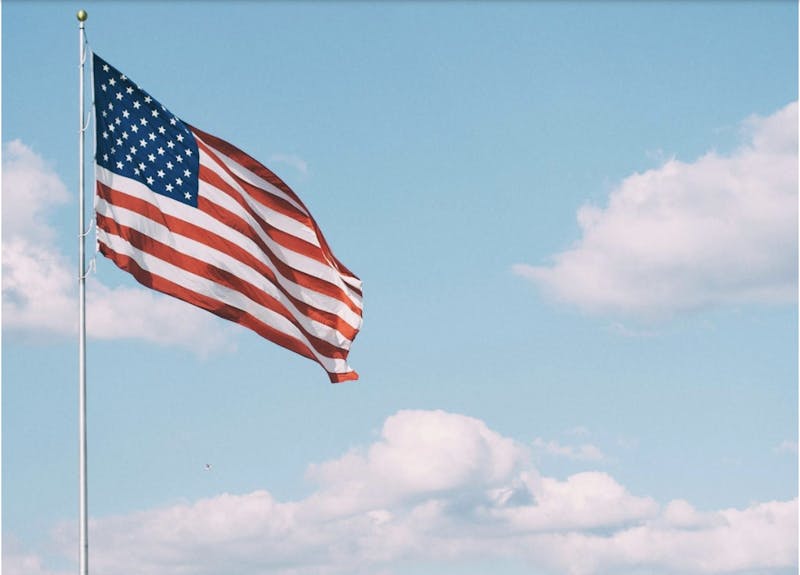
During a recent semester at Johns Hopkins University, student Bryce Leiberman found himself engaged in an unexpected and introspective conversation about national identity and bias. While drafting a paper on the Iraq War, Leiberman’s casual mention of “we” in reference to the United States prompted a friend to challenge his perspective on American involvement and identity.
Challenging Assumptions about Identity
Leiberman was taken aback by his friend’s observation that his choice of words suggested a personal connection to a conflict that occurred before he was born. This moment of reflection led him to question why he instinctively aligned himself with a national identity tied to the actions and decisions of the United States government. The implications of such identification became increasingly significant as he contemplated the complexities of American citizenship.
The conversation highlighted the distinction between being proud of one’s nationality and endorsing all associated actions and policies. Leiberman noted that while pride is often represented through symbols like the bald eagle or national flags, it does not necessitate blind support for every government decision. He emphasized the importance of recognizing this nuance, particularly when discussing sensitive topics such as U.S. security policy with peers from diverse backgrounds.
The Impact of Group Identity
Leiberman articulated that identity is a multifaceted construct, shaped by physical, psychological, and social characteristics. He observed how this complexity plays out in the formation of groups—be it through sports, political affiliations, or geographical ties. While the formation of such groups can foster community and support, it also risks creating divisions that oversimplify individual beliefs and experiences.
In his analysis, Leiberman acknowledged that Americans are not a monolith. He emphasized that while bias may emerge from one’s upbringing and environment, it is crucial to remain aware of how these influences can shape perspectives. He prompted readers to examine their own biases and consider how their identities might affect their understanding of global events.
Ultimately, Leiberman’s reflections serve as a reminder of the responsibility that comes with identity. By recognizing the impact of bias and striving for a balanced view, individuals can engage more thoughtfully in discussions about national and international issues. As he continues his studies in Political Science and Philosophy at Johns Hopkins, Leiberman aims to explore the ongoing quest for authenticity in an increasingly interconnected world.

Philadelphia Parks Launch Free Earth Month Events Starting April 1

Bradford’s Fish Fry Fridays Serve Community with Delicious Dinners

Trump Faces Growing Challenges Amid Rising Tensions with Iran

Scientists Probe the Universe’s Missing Topological Defects

Samsung Galaxy Watch 9 to Feature Larger 435mAh Battery

UConn Huskies Aim to Defend Title in 2026 NCAA Women’s Tournament

U.S. Littoral Combat Ships Dock in Malaysia Amid Regional Tensions

Healthy Choice Wellness Reports Quarterly Earnings, Shares Rise

Urgent News: Charles M. Payment Passes Away at 78 in Duluth

University of Hawaiʻi Joins $25.6M AI Project to Enhance Disaster Monitoring

Major Grant Enhances Cancer Care and Research in Hawaiʻi

Joleen Chaney, Beloved Journalist, Passes Leaving Lasting Legacy

San Francisco’s SFO to Welcome 16 Airlines with Nonstop Flights to Europe in 2026

Goldman Sachs Unveils 2026 Catalyst Playbook for Biotech Investors

Discover Top Business Smartphones for Professionals in 2026

Urgent Update: Tom Aspinall’s Vision Deteriorates After UFC 321

Texas Roadhouse Honors Veterans with Free Meal Vouchers

CD Projekt Red Confirms No Release for The Witcher 4 in 2026
-
Science9 months ago
University of Hawaiʻi Joins $25.6M AI Project to Enhance Disaster Monitoring
-
 Health8 months ago
Major Grant Enhances Cancer Care and Research in Hawaiʻi
-
 Top Stories9 months ago
Joleen Chaney, Beloved Journalist, Passes Leaving Lasting Legacy
-
 World7 months ago
San Francisco’s SFO to Welcome 16 Airlines with Nonstop Flights to Europe in 2026
-
 Business8 months ago
Goldman Sachs Unveils 2026 Catalyst Playbook for Biotech Investors
-
 Business8 months ago
Discover Top Business Smartphones for Professionals in 2026
-
 Top Stories9 months ago
Urgent Update: Tom Aspinall’s Vision Deteriorates After UFC 321
-
 Lifestyle9 months ago
Texas Roadhouse Honors Veterans with Free Meal Vouchers
-
 Entertainment8 months ago
CD Projekt Red Confirms No Release for The Witcher 4 in 2026
-

 Top Stories10 months ago
AI Disruption: AWS Faces Threat as Startups Shift Cloud Focus
-

 Health10 months ago
MIT Scientists Uncover Surprising Genomic Loops During Cell Division
-

 Entertainment10 months ago
Discover the Full Map of Pokémon Legends: Z-A’s Lumiose City