
Sports
DDR4 Becomes the New Standard Amid Rising RAM Prices

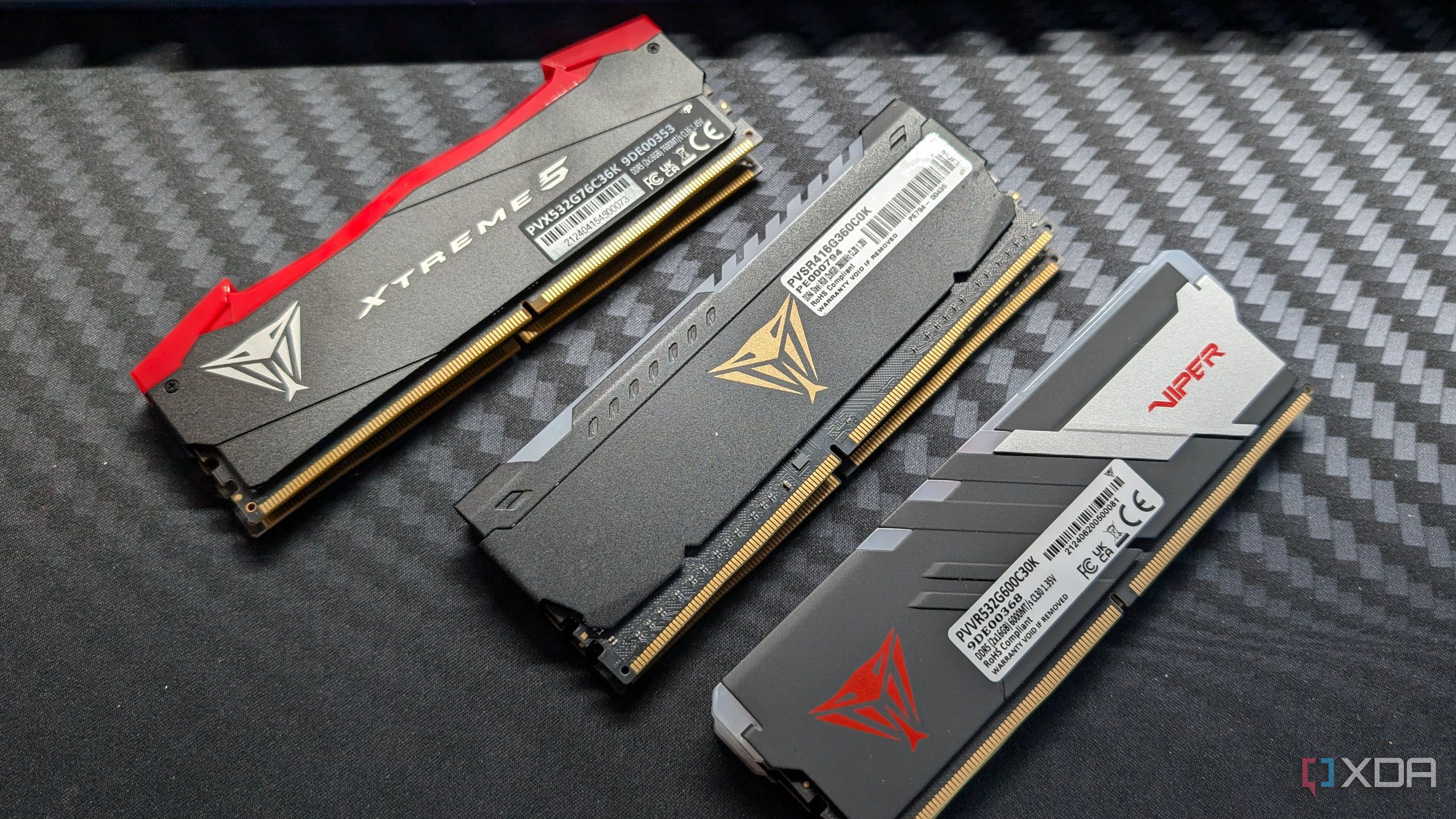
The landscape of personal computing is shifting as DDR4 memory increasingly becomes the go-to choice for gamers and builders. In 2023, the focus was on upgrading to DDR5, but by 2026, DDR4 has emerged as the new standard due to dramatic price increases in memory components. A persistent shortage driven by demand from AI data centers has significantly inflated the cost of DDR5, with a 32 GB kit now averaging around $400. This is nearly four times its price from just over a year ago.
As prices for DDR5 surge, DDR4 is experiencing a price spike of its own—though not as severe, prices have doubled, making it a more practical option for budget-conscious builders. This shift has led to a situation where many are reverting to older platforms, such as the AM4 or LGA 1700 sockets, even as software demands increasingly outstrip the capabilities of older hardware.
Understanding the Price Dynamics
The dramatic rise in RAM prices over the past year can be attributed to several factors. DDR5 prices have surged, often tripling or quadrupling, while DDR4’s increase, although significant, has been more manageable for many consumers. The financial implications of these changes are profound. For instance, a $150 savings on RAM and an additional $100 on a B-series motherboard can mean the difference between owning a dedicated GPU or not.
As a result, many builders are opting for older models like the Ryzen 5800XT or Intel Core i5-14600K to continue using their existing DDR4 kits. While this may be a sound short-term strategy to save money, it limits future upgrade potential. High-performance gaming titles, such as Starfield and Cyberpunk 2077, demonstrate the tangible performance benefits of DDR5, with significant differences in frame rates and system responsiveness.
The technical specifications highlight this disparity. DDR4-3600 achieves a theoretical maximum bandwidth of approximately 25.6 GB/s, while DDR5-6000 nearly doubles that to over 48 GB/s. This gap leads to noticeable performance issues, particularly in memory-intensive games where DDR5 systems can outperform DDR4 setups by 20-25% in frame rates. Such limitations not only affect gamers but also impact professionals relying on their PCs for work due to DDR4’s lack of advanced features like on-die ECC and higher density options of up to 128 GB per stick.
Manufacturers Shift Focus
The shift towards DDR4 as a critical option has been driven in part by changes in production priorities among major manufacturers like Micron and Samsung. Increasing demand for high-bandwidth memory to support AI initiatives has redirected resources away from DDR4 production. The backing of significant investments from companies like Nvidia only accelerates this trend, further tightening the supply of DDR4 components.
As a consequence, new DDR4 modules are becoming scarce, pushing many consumers to the secondary market. Prices for used DDR4 kits on platforms like eBay have reached an all-time high, leading to a paradox where buyers risk investing in overclocked or aging products just to save money.
While DDR4 may serve as a temporary solution, its rise as the preferred option raises concerns about the future of PC gaming. Many in the community worry that if the memory crisis persists into 2027, the PC could lose its competitive edge to more efficient, unified memory solutions.
Ultimately, the current reliance on DDR4 is not a matter of choice but necessity. With the increasing availability of alternative gaming devices, such as handheld consoles and new gaming systems, many gamers may find themselves priced out of the traditional PC market. The ongoing challenges in component pricing and availability threaten to stall the growth and evolution of the PC gaming ecosystem. As the landscape continues to evolve, users are left to navigate a complex and constrained environment, relying on a memory standard that, while functional, is not designed for the future.

Philadelphia Parks Launch Free Earth Month Events Starting April 1

Bradford’s Fish Fry Fridays Serve Community with Delicious Dinners

Trump Faces Growing Challenges Amid Rising Tensions with Iran

Scientists Probe the Universe’s Missing Topological Defects

Samsung Galaxy Watch 9 to Feature Larger 435mAh Battery

UConn Huskies Aim to Defend Title in 2026 NCAA Women’s Tournament

U.S. Littoral Combat Ships Dock in Malaysia Amid Regional Tensions

Healthy Choice Wellness Reports Quarterly Earnings, Shares Rise

Urgent News: Charles M. Payment Passes Away at 78 in Duluth

University of Hawaiʻi Joins $25.6M AI Project to Enhance Disaster Monitoring

Major Grant Enhances Cancer Care and Research in Hawaiʻi

Joleen Chaney, Beloved Journalist, Passes Leaving Lasting Legacy

San Francisco’s SFO to Welcome 16 Airlines with Nonstop Flights to Europe in 2026

Goldman Sachs Unveils 2026 Catalyst Playbook for Biotech Investors

Discover Top Business Smartphones for Professionals in 2026

Urgent Update: Tom Aspinall’s Vision Deteriorates After UFC 321

Texas Roadhouse Honors Veterans with Free Meal Vouchers

CD Projekt Red Confirms No Release for The Witcher 4 in 2026
-
Science9 months ago
University of Hawaiʻi Joins $25.6M AI Project to Enhance Disaster Monitoring
-
 Health8 months ago
Major Grant Enhances Cancer Care and Research in Hawaiʻi
-
 Top Stories9 months ago
Joleen Chaney, Beloved Journalist, Passes Leaving Lasting Legacy
-
 World7 months ago
San Francisco’s SFO to Welcome 16 Airlines with Nonstop Flights to Europe in 2026
-
 Business8 months ago
Goldman Sachs Unveils 2026 Catalyst Playbook for Biotech Investors
-
 Business7 months ago
Discover Top Business Smartphones for Professionals in 2026
-
 Top Stories9 months ago
Urgent Update: Tom Aspinall’s Vision Deteriorates After UFC 321
-
 Lifestyle9 months ago
Texas Roadhouse Honors Veterans with Free Meal Vouchers
-
 Entertainment8 months ago
CD Projekt Red Confirms No Release for The Witcher 4 in 2026
-

 Top Stories10 months ago
AI Disruption: AWS Faces Threat as Startups Shift Cloud Focus
-

 Health10 months ago
MIT Scientists Uncover Surprising Genomic Loops During Cell Division
-

 Entertainment10 months ago
Discover the Full Map of Pokémon Legends: Z-A’s Lumiose City