
Sports
U.S. Interventionism Risks Escalation Following Venezuela Actions

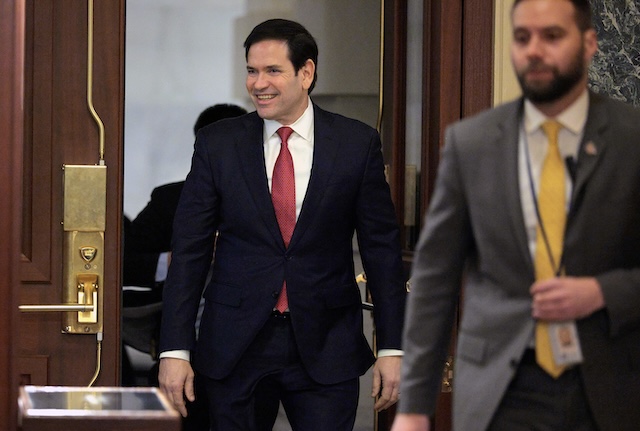
The recent arrest of Venezuelan President Nicolás Maduro by U.S. forces has ignited significant discussion about the potential resurgence of American interventionism in Latin America. Following this event, President Donald Trump has openly asserted that the U.S. will not tolerate threats to its security in the region. This declaration raises concerns about a new era of interventionist policies, particularly targeting nations like Colombia and Cuba.
Trump’s Bold Statements and Historical Context
On January 7, 2026, the U.S. State Department shared a forceful message on social media, stating, “This is OUR Hemisphere, and President Trump will not allow our security to be threatened.” Such rhetoric, while potentially seen as mere posturing, carries serious implications. It suggests a willingness to intervene militarily in Latin America, echoing historical precedents of U.S. foreign policy that have often resulted in the support of authoritarian regimes.
During a public address shortly after Maduro’s arrest, Trump referenced the historical Monroe Doctrine, claiming it could be rebranded as the “Donroe Doctrine.” This remark signals a possible endorsement of interventionist strategies akin to those adopted in the past. While some argue that the situation in Venezuela necessitates action, such a stance could inadvertently empower nations like China and Russia to adopt similar aggressive tactics elsewhere.
Potential Targets: Colombia and Cuba
Trump’s recent comments have raised alarms about Colombia, where he described President Gustavo Petro as “a sick man who likes making cocaine and selling it to the United States.” This remark disregards the democratic process, wherein Colombians elected Petro in 2022. When asked about the possibility of military action against Colombia, Trump responded, “Sounds good to me,” further heightening tensions.
In response to Trump’s threats, Petro took to social media, warning that detaining popular leaders could incite public backlash. The dynamic in Colombia contrasts sharply with that in Cuba, which continues to grapple with a struggling economy under a communist regime. Marco Rubio, the U.S. Secretary of State and Cuban-American politician, called the Cuban government “a huge problem,” indicating a potential escalation of U.S. scrutiny and intervention in the island nation.
Cuba’s foreign minister, Bruno Rodríguez Parrilla, noted that the ongoing U.S. blockade of Venezuelan oil, coupled with Maduro’s ousting, has created an “existential dilemma” for the Cuban economy. This precarious situation could lead to increased scrutiny from the U.S., particularly given Rubio’s long-standing hostility towards the Cuban government.
The implications of U.S. actions in Venezuela could serve as a blueprint for future interventions in Latin America. Observers are left to ponder whether an emboldened Trump administration will seek to further assert its influence in the region, ultimately threatening the stability of democracies like Colombia and Mexico, which have elected leaders through legitimate processes.
As the situation evolves, the U.S. must carefully consider the ramifications of its foreign policy decisions, especially as they pertain to interventionism and regional stability. The recent developments in Venezuela may signal a shift in U.S. strategy, with potentially far-reaching consequences across Latin America.

Philadelphia Parks Launch Free Earth Month Events Starting April 1

Bradford’s Fish Fry Fridays Serve Community with Delicious Dinners

Trump Faces Growing Challenges Amid Rising Tensions with Iran

Scientists Probe the Universe’s Missing Topological Defects

Samsung Galaxy Watch 9 to Feature Larger 435mAh Battery

UConn Huskies Aim to Defend Title in 2026 NCAA Women’s Tournament

U.S. Littoral Combat Ships Dock in Malaysia Amid Regional Tensions

Healthy Choice Wellness Reports Quarterly Earnings, Shares Rise

Urgent News: Charles M. Payment Passes Away at 78 in Duluth

University of Hawaiʻi Joins $25.6M AI Project to Enhance Disaster Monitoring

Major Grant Enhances Cancer Care and Research in Hawaiʻi

Joleen Chaney, Beloved Journalist, Passes Leaving Lasting Legacy

San Francisco’s SFO to Welcome 16 Airlines with Nonstop Flights to Europe in 2026

Goldman Sachs Unveils 2026 Catalyst Playbook for Biotech Investors

Discover Top Business Smartphones for Professionals in 2026

Urgent Update: Tom Aspinall’s Vision Deteriorates After UFC 321

Texas Roadhouse Honors Veterans with Free Meal Vouchers

CD Projekt Red Confirms No Release for The Witcher 4 in 2026
-
Science9 months ago
University of Hawaiʻi Joins $25.6M AI Project to Enhance Disaster Monitoring
-
 Health8 months ago
Major Grant Enhances Cancer Care and Research in Hawaiʻi
-
 Top Stories9 months ago
Joleen Chaney, Beloved Journalist, Passes Leaving Lasting Legacy
-
 World7 months ago
San Francisco’s SFO to Welcome 16 Airlines with Nonstop Flights to Europe in 2026
-
 Business8 months ago
Goldman Sachs Unveils 2026 Catalyst Playbook for Biotech Investors
-
 Business8 months ago
Discover Top Business Smartphones for Professionals in 2026
-
 Top Stories9 months ago
Urgent Update: Tom Aspinall’s Vision Deteriorates After UFC 321
-
 Lifestyle9 months ago
Texas Roadhouse Honors Veterans with Free Meal Vouchers
-
 Entertainment8 months ago
CD Projekt Red Confirms No Release for The Witcher 4 in 2026
-

 Top Stories10 months ago
AI Disruption: AWS Faces Threat as Startups Shift Cloud Focus
-

 Health10 months ago
MIT Scientists Uncover Surprising Genomic Loops During Cell Division
-

 Entertainment10 months ago
Discover the Full Map of Pokémon Legends: Z-A’s Lumiose City