
Top Stories
Spirit Airlines Cuts Fleet to 80 Planes Amid Fuel Crisis

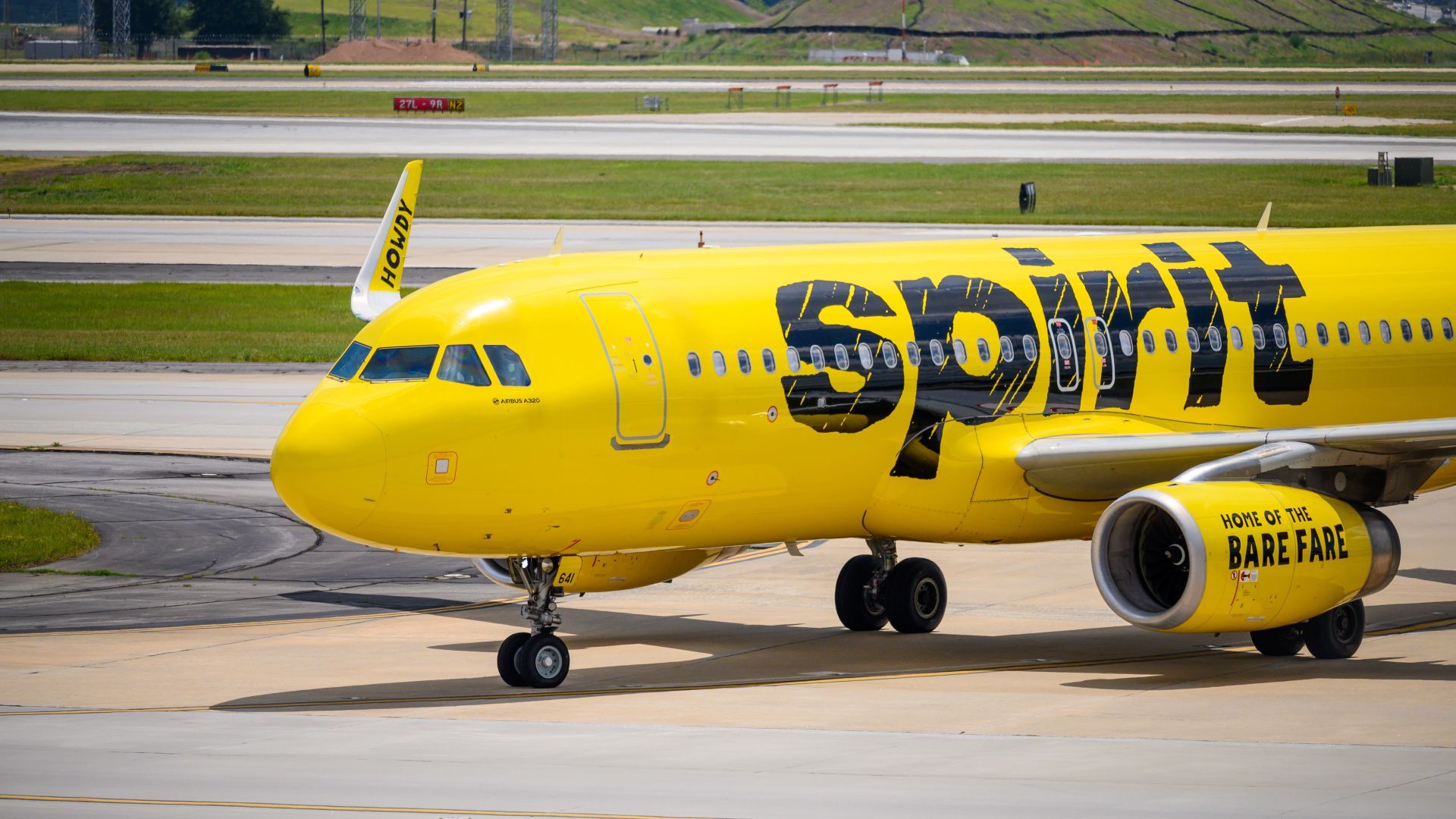
Spirit Airlines is enacting a significant restructuring plan that will see its fleet shrink to between 76 and 80 aircraft by the third quarter of 2026. This drastic reduction comes as the airline works to emerge from its latest Chapter 11 bankruptcy, having entered the process with a fleet of 214 planes. The airline aims to cut its debt and lease obligations from approximately $7.4 billion to around $2 billion.
Challenges Amid Global Instability
The timing of this restructuring poses challenges. As Spirit seeks court approval and reassures creditors, rising fuel prices linked to ongoing conflicts in the Middle East, particularly the war involving Iran, complicate its forecasts. While Spirit Airlines has the potential to survive, the volatility in oil prices must stabilize before the company can fully execute its restructuring plans.
In a critical shift, Spirit has transitioned from broad statements about recovery to a concrete plan for post-bankruptcy operations. The airline has filed a restructuring support agreement and plans to reorganize its operations, with expectations to emerge as a smaller carrier focused primarily on key markets such as Fort Lauderdale, Orlando, Detroit, and the New York City area. The airline also plans to enhance its product offerings, including the introduction of Spirit First and Premium Economy, while maintaining its identity as a low-cost carrier.
Financial Struggles and Strategic Adjustments
Spirit Airlines has faced ongoing financial difficulties. After filing for bankruptcy in August 2025, just months after emerging from a previous restructuring, the airline continued to report significant losses. According to analysis from Reuters, Spirit lost approximately $246 million during the three months ending in June 2025. Management and analysts concluded that the earlier restructuring efforts had not sufficiently addressed the airline’s inflated cost structure.
In response to these challenges, Spirit has cut routes, exited certain airports, and renegotiated aircraft leases. The airline has also sought emergency financing while attempting to secure support from creditors as it charts a more streamlined operational path. Future possibilities, including a potential sale to a larger carrier, remain on the table, contingent on improved financial stability.
The rising cost of fuel adds another layer of complexity to Spirit’s recovery efforts. As fuel prices remain elevated, the airline’s ability to offer competitive fares may be compromised. Other airlines worldwide are also raising prices to protect their margins, leaving Spirit with fewer options to undercut competitors.
For passengers, these changes will likely lead to a smaller and more selective Spirit Airlines. While travelers in the airline’s strongest markets will still see a presence of flights, less profitable routes and off-peak services may be at risk of elimination as Spirit concentrates on areas with higher demand. This shift could result in fewer choices and a network that appears more seasonal in nature.
Despite these challenges, Spirit is attempting to enhance its onboard experience with the rollout of Spirit First and continued expansion of its Premium Economy offerings. The airline is redefining its passenger proposition, moving away from a solely bare-bones approach to include more value-added services.
While a more stable and reliable Spirit Airlines may emerge from these changes, the prospect of cheaper fares seems unlikely in the near future, leaving passengers to navigate a transformed airline landscape in the coming months.

Philadelphia Parks Launch Free Earth Month Events Starting April 1

Bradford’s Fish Fry Fridays Serve Community with Delicious Dinners

Trump Faces Growing Challenges Amid Rising Tensions with Iran

Scientists Probe the Universe’s Missing Topological Defects

Samsung Galaxy Watch 9 to Feature Larger 435mAh Battery

UConn Huskies Aim to Defend Title in 2026 NCAA Women’s Tournament

U.S. Littoral Combat Ships Dock in Malaysia Amid Regional Tensions

Healthy Choice Wellness Reports Quarterly Earnings, Shares Rise

Urgent News: Charles M. Payment Passes Away at 78 in Duluth

University of Hawaiʻi Joins $25.6M AI Project to Enhance Disaster Monitoring

Major Grant Enhances Cancer Care and Research in Hawaiʻi

Joleen Chaney, Beloved Journalist, Passes Leaving Lasting Legacy

San Francisco’s SFO to Welcome 16 Airlines with Nonstop Flights to Europe in 2026

Goldman Sachs Unveils 2026 Catalyst Playbook for Biotech Investors

Discover Top Business Smartphones for Professionals in 2026

Urgent Update: Tom Aspinall’s Vision Deteriorates After UFC 321

Texas Roadhouse Honors Veterans with Free Meal Vouchers

CD Projekt Red Confirms No Release for The Witcher 4 in 2026
-
Science9 months ago
University of Hawaiʻi Joins $25.6M AI Project to Enhance Disaster Monitoring
-
 Health8 months ago
Major Grant Enhances Cancer Care and Research in Hawaiʻi
-
 Top Stories9 months ago
Joleen Chaney, Beloved Journalist, Passes Leaving Lasting Legacy
-
 World7 months ago
San Francisco’s SFO to Welcome 16 Airlines with Nonstop Flights to Europe in 2026
-
 Business8 months ago
Goldman Sachs Unveils 2026 Catalyst Playbook for Biotech Investors
-
 Business7 months ago
Discover Top Business Smartphones for Professionals in 2026
-
 Top Stories9 months ago
Urgent Update: Tom Aspinall’s Vision Deteriorates After UFC 321
-
 Lifestyle9 months ago
Texas Roadhouse Honors Veterans with Free Meal Vouchers
-
 Entertainment8 months ago
CD Projekt Red Confirms No Release for The Witcher 4 in 2026
-

 Top Stories10 months ago
AI Disruption: AWS Faces Threat as Startups Shift Cloud Focus
-

 Health10 months ago
MIT Scientists Uncover Surprising Genomic Loops During Cell Division
-

 Entertainment10 months ago
Discover the Full Map of Pokémon Legends: Z-A’s Lumiose City