
Top Stories
SSD Speed Issues Revealed: Why Your Drive Might Slow Down Now

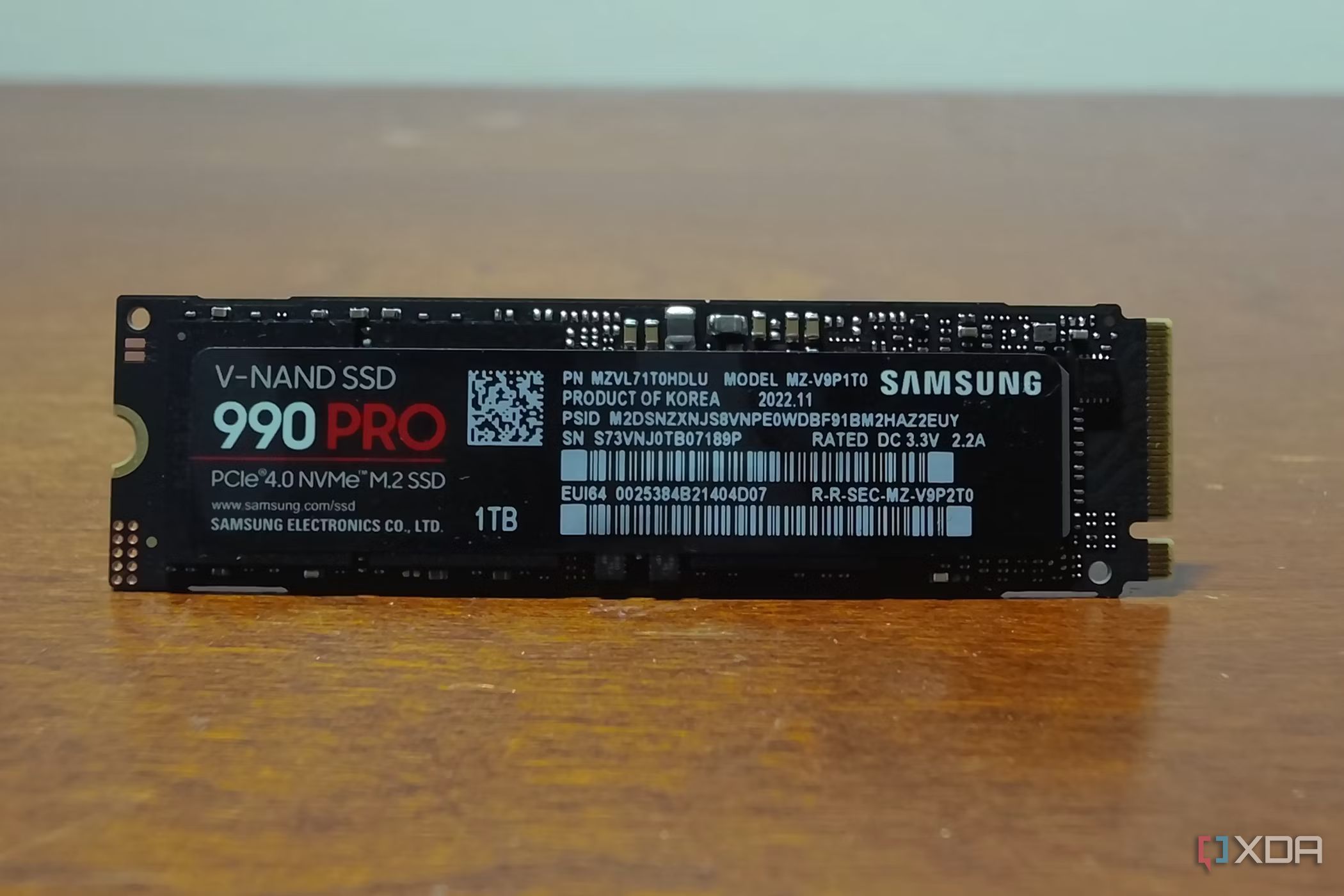
UPDATE: New reports confirm that many users are experiencing significant slowdowns with their newly purchased NVMe SSDs, just as they start demanding high performance for tasks like gaming and 4K video editing. This urgent issue raises concerns for tech enthusiasts relying on blazing speeds to enhance their digital experiences.
Experts explain that SSDs, while marketed with impressive read and write speeds, often fail to deliver these numbers under real-world conditions. The discrepancy stems from the nature of how these drives operate. The speeds advertised are usually based on sequential performance, which cannot be replicated during typical usage scenarios, including heavy workloads that require random access speeds.
Thermal throttling is another critical factor that affects SSD performance. When subjected to intense tasks, such as exporting high-resolution videos, SSDs can heat up dramatically. Reports indicate that SSD controllers may exceed temperatures of 80°C in just minutes, leading to automatic throttling to prevent overheating. This means that under sustained loads, users might notice a significant drop in performance—a scenario that can be frustrating for those expecting top-tier speeds.
Additionally, the type of NAND used in SSDs plays a vital role in speed retention. Most modern SSDs utilize MLC (Multi-Level Cell), TLC (Triple-Level Cell), or QLC (Quad-Level Cell) technology. While these types can achieve high speeds initially, they often slow down as the cache fills up. For instance, QLC drives, known for their lower performance, can struggle significantly once their fast cache is depleted.
In practical terms, many mid-range SSDs can manage around 100GB of data transfer before experiencing slowdowns, while premium drives may handle over 500GB without losing speed. This variance is crucial for consumers to consider when selecting an SSD for high-demand applications.
Garbage Collection (GC) processes further complicate matters. Unlike traditional hard drives, which can overwrite data directly, SSDs must delete entire blocks before writing new data. As SSDs fill up, GC becomes more time-consuming, leading to slower performance if the drive is occupied beyond 80% capacity. Experts recommend keeping at least 20% of an SSD’s space free to ensure optimal performance and longevity.
To mitigate these issues, users are advised to invest in SSDs equipped with effective cooling solutions and to ensure their PC cases have proper airflow. Checking reviews for specific models can help identify which drives offer better thermal management and power efficiency.
As SSD technology evolves, understanding these limitations becomes increasingly vital for consumers. Many users will find that for everyday tasks like gaming and web browsing, these speed drops may not significantly affect their experience. However, for those engaged in demanding workflows, being informed about potential SSD performance issues is crucial.
As this situation develops, tech experts urge users to proactively manage their SSDs, keeping them cool and maintaining ample free space to avoid performance pitfalls. Stay tuned as we continue to monitor updates on SSD technology and performance benchmarks.

Philadelphia Parks Launch Free Earth Month Events Starting April 1

Bradford’s Fish Fry Fridays Serve Community with Delicious Dinners

Trump Faces Growing Challenges Amid Rising Tensions with Iran

Scientists Probe the Universe’s Missing Topological Defects

Samsung Galaxy Watch 9 to Feature Larger 435mAh Battery

UConn Huskies Aim to Defend Title in 2026 NCAA Women’s Tournament

U.S. Littoral Combat Ships Dock in Malaysia Amid Regional Tensions

Healthy Choice Wellness Reports Quarterly Earnings, Shares Rise

Urgent News: Charles M. Payment Passes Away at 78 in Duluth

University of Hawaiʻi Joins $25.6M AI Project to Enhance Disaster Monitoring

Major Grant Enhances Cancer Care and Research in Hawaiʻi

Joleen Chaney, Beloved Journalist, Passes Leaving Lasting Legacy

San Francisco’s SFO to Welcome 16 Airlines with Nonstop Flights to Europe in 2026

Goldman Sachs Unveils 2026 Catalyst Playbook for Biotech Investors

Discover Top Business Smartphones for Professionals in 2026

Urgent Update: Tom Aspinall’s Vision Deteriorates After UFC 321

Texas Roadhouse Honors Veterans with Free Meal Vouchers

CD Projekt Red Confirms No Release for The Witcher 4 in 2026
-
Science9 months ago
University of Hawaiʻi Joins $25.6M AI Project to Enhance Disaster Monitoring
-
 Health8 months ago
Major Grant Enhances Cancer Care and Research in Hawaiʻi
-
 Top Stories9 months ago
Joleen Chaney, Beloved Journalist, Passes Leaving Lasting Legacy
-
 World7 months ago
San Francisco’s SFO to Welcome 16 Airlines with Nonstop Flights to Europe in 2026
-
 Business8 months ago
Goldman Sachs Unveils 2026 Catalyst Playbook for Biotech Investors
-
 Business8 months ago
Discover Top Business Smartphones for Professionals in 2026
-
 Top Stories9 months ago
Urgent Update: Tom Aspinall’s Vision Deteriorates After UFC 321
-
 Lifestyle9 months ago
Texas Roadhouse Honors Veterans with Free Meal Vouchers
-
 Entertainment8 months ago
CD Projekt Red Confirms No Release for The Witcher 4 in 2026
-

 Top Stories10 months ago
AI Disruption: AWS Faces Threat as Startups Shift Cloud Focus
-

 Health10 months ago
MIT Scientists Uncover Surprising Genomic Loops During Cell Division
-

 Entertainment10 months ago
Discover the Full Map of Pokémon Legends: Z-A’s Lumiose City