
Top Stories
War in Iran: Over 1,200 Dead, $16.5 Billion Spent in Two Weeks

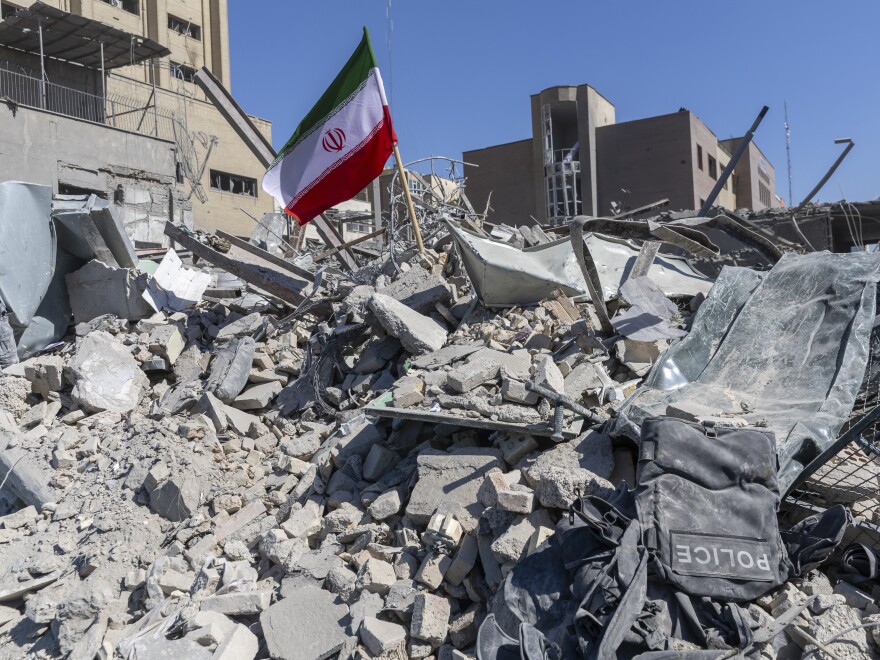
UPDATE: In a devastating escalation, the war in Iran has resulted in over 1,200 civilian deaths and significant regional destabilization just two weeks into the conflict. As of March 13, 2026, authorities report that millions are displaced and financial losses soar into the billions.
The conflict has wreaked havoc across the Middle East, with reports indicating that at least 3.2 million Iranians have been temporarily displaced due to the violence. The Iran Health Ministry confirms that more than 10,000 individuals have sustained injuries since the outbreak of hostilities.
In a particularly tragic incident, a strike on an Iranian school resulted in the deaths of at least 165 civilians, fueling outrage and despair among the public. The impacts extend beyond Iran, with neighboring Lebanon recording 773 fatalities and 1,933 injuries, while the U.S. Central Command reports the deaths of at least 13 U.S. service members, seven of whom were killed by enemy fire.
Financially, the United States has incurred staggering costs, spending approximately $16.5 billion in the first twelve days of warfare, with about $3.7 billion allocated within the first 100 hours of a specific military operation dubbed “Epic Fury.” This unprecedented spending raises urgent questions about the long-term economic impact on both the U.S. and Iran.
The war’s toll on infrastructure is alarming, with over 15,000 targets hit by the U.S.-Israeli campaign, and more than 90 Iranian vessels reported damaged or destroyed. Additionally, oil prices have surged, reaching a peak of $119.50 per barrel, significantly affecting global markets.
Human cost: The humanitarian crisis continues to deepen. In Israel, authorities report the loss of 12 civilians and 2 soldiers due to the ongoing conflict. The United Nations High Commissioner for Refugees (UNHCR) is mobilizing resources to address the needs of displaced populations, which now exceed 830,000 people from Lebanon alone.
This situation is evolving rapidly, and as officials gather more data, these figures could change dramatically. Experts warn that the real human cost may be far greater than current estimates suggest.
As international communities react, the percentage of Americans opposed to the war stands at 56%, according to a recent NPR/PBS News/Marist poll. The emotional toll of this conflict resonates deeply, with families torn apart and communities devastated.
NEXT STEPS: The international community is closely monitoring the situation. With ongoing military actions and diplomatic discussions, the potential for further escalation remains high. Analysts urge immediate humanitarian responses and call for a ceasefire to prevent further loss of life.
Stay updated as this story develops. For more in-depth analysis and reports, visit NPR’s Middle East conflict series.

Philadelphia Parks Launch Free Earth Month Events Starting April 1

Bradford’s Fish Fry Fridays Serve Community with Delicious Dinners

Trump Faces Growing Challenges Amid Rising Tensions with Iran

Scientists Probe the Universe’s Missing Topological Defects

Samsung Galaxy Watch 9 to Feature Larger 435mAh Battery

UConn Huskies Aim to Defend Title in 2026 NCAA Women’s Tournament

U.S. Littoral Combat Ships Dock in Malaysia Amid Regional Tensions

Healthy Choice Wellness Reports Quarterly Earnings, Shares Rise

Urgent News: Charles M. Payment Passes Away at 78 in Duluth

University of Hawaiʻi Joins $25.6M AI Project to Enhance Disaster Monitoring

Major Grant Enhances Cancer Care and Research in Hawaiʻi

Joleen Chaney, Beloved Journalist, Passes Leaving Lasting Legacy

San Francisco’s SFO to Welcome 16 Airlines with Nonstop Flights to Europe in 2026

Goldman Sachs Unveils 2026 Catalyst Playbook for Biotech Investors

Discover Top Business Smartphones for Professionals in 2026

Urgent Update: Tom Aspinall’s Vision Deteriorates After UFC 321

Texas Roadhouse Honors Veterans with Free Meal Vouchers

CD Projekt Red Confirms No Release for The Witcher 4 in 2026
-
Science9 months ago
University of Hawaiʻi Joins $25.6M AI Project to Enhance Disaster Monitoring
-
 Health8 months ago
Major Grant Enhances Cancer Care and Research in Hawaiʻi
-
 Top Stories9 months ago
Joleen Chaney, Beloved Journalist, Passes Leaving Lasting Legacy
-
 World7 months ago
San Francisco’s SFO to Welcome 16 Airlines with Nonstop Flights to Europe in 2026
-
 Business8 months ago
Goldman Sachs Unveils 2026 Catalyst Playbook for Biotech Investors
-
 Business7 months ago
Discover Top Business Smartphones for Professionals in 2026
-
 Top Stories9 months ago
Urgent Update: Tom Aspinall’s Vision Deteriorates After UFC 321
-
 Lifestyle9 months ago
Texas Roadhouse Honors Veterans with Free Meal Vouchers
-
 Entertainment8 months ago
CD Projekt Red Confirms No Release for The Witcher 4 in 2026
-

 Top Stories10 months ago
AI Disruption: AWS Faces Threat as Startups Shift Cloud Focus
-

 Health10 months ago
MIT Scientists Uncover Surprising Genomic Loops During Cell Division
-

 Entertainment10 months ago
Discover the Full Map of Pokémon Legends: Z-A’s Lumiose City