
World
Boeing’s 787 Dreamliner Production Rebounds Amid Growing Demand

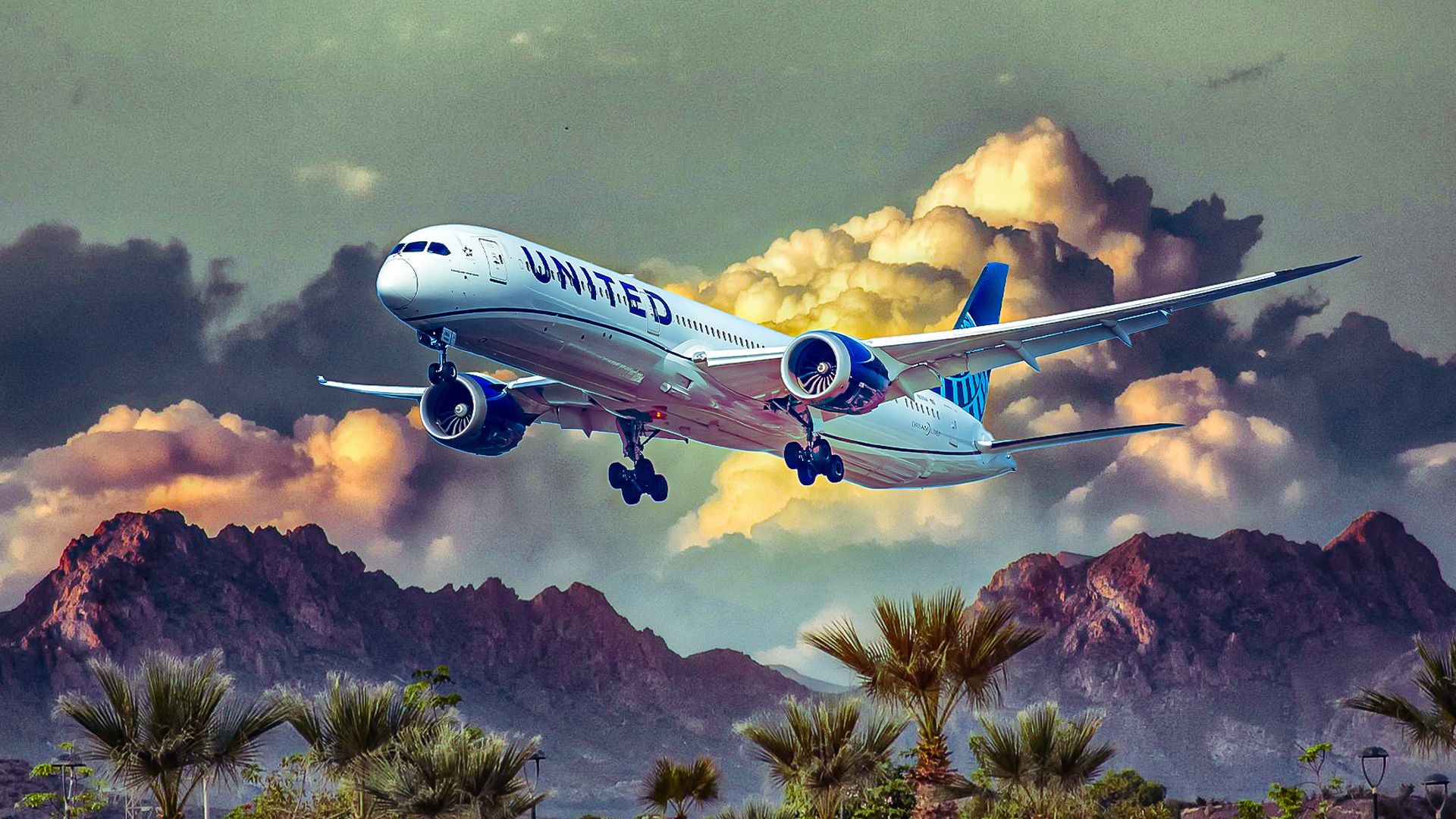
Boeing has seen a significant rebound in production of its 787 Dreamliner, driven by a surge in demand for widebody aircraft. The company currently has a backlog of 1,103 units, with production slots fully booked for several years. This reflects a long-standing shortage in the availability of widebody aircraft, exacerbated by a post-pandemic increase in air traffic. As airlines strive to meet this rising demand, Boeing has prioritized production capacity expansion, particularly at its facility in North Charleston, South Carolina.
To support this growth, Boeing has initiated a $1 billion program to enhance its production capabilities. This expansion will duplicate the final assembly line, increasing output from seven jets per month to a target of ten by 2026. Looking further ahead, Boeing aims to reach a production rate of as many as 16 aircraft per month by the end of the decade. Achieving these targets will depend on Boeing’s ability to keep pace with similar production ramp-ups by its main competitor, Airbus.
The Unique Market Position of the Boeing 787
The Boeing 787 serves a critical role in the aviation market, specifically designed to replace the aging 767 models and offer airlines a fuel-efficient option for long-haul routes. With its composite structure and advanced engines, the 787 delivers enhanced performance for airlines, making it particularly well-suited for low-density, long-haul services.
Since its first flight in 2009 and subsequent entry into service in 2011 with All Nippon Airways, the aircraft has evolved into a versatile platform. The 787-8 is tailored for ultra-long routes, while the bestselling 787-9 accommodates a variety of long-haul markets. The larger 787-10 prioritizes capacity over range, catering to regional long-haul needs. As airlines work towards fleet renewals and emissions reduction targets, the 787 remains a key asset in their strategies.
Production Challenges and Future Prospects
Boeing’s production timeline has been ambitious but fraught with challenges. Initially aiming for a production goal of 16 jets per month back in 2006, the output peaked at 14 per month in 2019 before the pandemic severely disrupted operations. COVID-19 led to significant reductions in output, with production rates halved as the company adjusted to supply chain bottlenecks and quality control issues.
Currently, Boeing is gradually rebuilding its production capacity. By early 2025, production is expected to reach five units per month, with plans to conclude the year at seven, and eventually achieve ten per month by 2026. The production backlog remains robust, with slots booked years in advance, indicating a sustained demand for the aircraft.
Nevertheless, several factors could impede Boeing’s efforts to ramp up production. The supply chain remains fragile, with potential bottlenecks in composite materials, avionics, and seating components. Delays in engine deliveries, particularly for the GEnx and Trent 1000, could also hinder production timelines. Additionally, heightened oversight from the Federal Aviation Administration may affect the pace of ramping up production rates.
Boeing’s expansion plans at the North Charleston facility are crucial to achieving higher production rates, but they come with execution risks. Challenges related to materials sourcing, workforce integration, and the establishment of a secondary assembly line could lead to inefficiencies and delays.
Despite these hurdles, a successful production ramp-up is essential for Boeing. Accelerating deliveries from the existing backlog will enhance unit cost efficiency and open up further opportunities for new orders. Each delivery represents a critical moment for cash flow, as Boeing typically receives substantial payment upon aircraft delivery. Increasing throughput not only improves financial metrics but also strengthens Boeing’s negotiating power with suppliers.
Sales performance for the 787 has varied over time, with notable peaks and troughs. Initial orders surged in 2007, but the global financial crisis and subsequent challenges, including the 2013 battery issue, impacted customer confidence and led to slower intake. In recent years, however, renewed demand has emerged, particularly as airlines seek modern fleet options to meet evolving environmental standards.
For instance, United Airlines made headlines in December 2022 with a substantial order of 100 787 jets, followed by additional orders from other carriers such as Air India and British Airways. These developments reflect a robust recovery in demand for the 787, as airlines prioritize efficiency and sustainability in their operations.
Boeing’s ability to navigate the myriad challenges ahead while ramping up production of the 787 will be crucial in determining its long-term financial health and market position. As the company faces ongoing regulatory scrutiny and fluctuating supply chain conditions, maintaining a steady production flow will be vital to securing its status as a leader in the commercial aviation sector.

Philadelphia Parks Launch Free Earth Month Events Starting April 1

Bradford’s Fish Fry Fridays Serve Community with Delicious Dinners

Trump Faces Growing Challenges Amid Rising Tensions with Iran

Scientists Probe the Universe’s Missing Topological Defects

Samsung Galaxy Watch 9 to Feature Larger 435mAh Battery

UConn Huskies Aim to Defend Title in 2026 NCAA Women’s Tournament

U.S. Littoral Combat Ships Dock in Malaysia Amid Regional Tensions

Healthy Choice Wellness Reports Quarterly Earnings, Shares Rise

Urgent News: Charles M. Payment Passes Away at 78 in Duluth

University of Hawaiʻi Joins $25.6M AI Project to Enhance Disaster Monitoring

Major Grant Enhances Cancer Care and Research in Hawaiʻi

Joleen Chaney, Beloved Journalist, Passes Leaving Lasting Legacy

San Francisco’s SFO to Welcome 16 Airlines with Nonstop Flights to Europe in 2026

Goldman Sachs Unveils 2026 Catalyst Playbook for Biotech Investors

Discover Top Business Smartphones for Professionals in 2026

Urgent Update: Tom Aspinall’s Vision Deteriorates After UFC 321

Texas Roadhouse Honors Veterans with Free Meal Vouchers

CD Projekt Red Confirms No Release for The Witcher 4 in 2026
-
Science9 months ago
University of Hawaiʻi Joins $25.6M AI Project to Enhance Disaster Monitoring
-
 Health8 months ago
Major Grant Enhances Cancer Care and Research in Hawaiʻi
-
 Top Stories9 months ago
Joleen Chaney, Beloved Journalist, Passes Leaving Lasting Legacy
-
 World7 months ago
San Francisco’s SFO to Welcome 16 Airlines with Nonstop Flights to Europe in 2026
-
 Business8 months ago
Goldman Sachs Unveils 2026 Catalyst Playbook for Biotech Investors
-
 Business7 months ago
Discover Top Business Smartphones for Professionals in 2026
-
 Top Stories9 months ago
Urgent Update: Tom Aspinall’s Vision Deteriorates After UFC 321
-
 Lifestyle9 months ago
Texas Roadhouse Honors Veterans with Free Meal Vouchers
-
 Entertainment8 months ago
CD Projekt Red Confirms No Release for The Witcher 4 in 2026
-

 Top Stories10 months ago
AI Disruption: AWS Faces Threat as Startups Shift Cloud Focus
-

 Health10 months ago
MIT Scientists Uncover Surprising Genomic Loops During Cell Division
-

 Entertainment10 months ago
Discover the Full Map of Pokémon Legends: Z-A’s Lumiose City