
World
Orbán Orders Heightened Security Amid Ukraine Disruption Claims

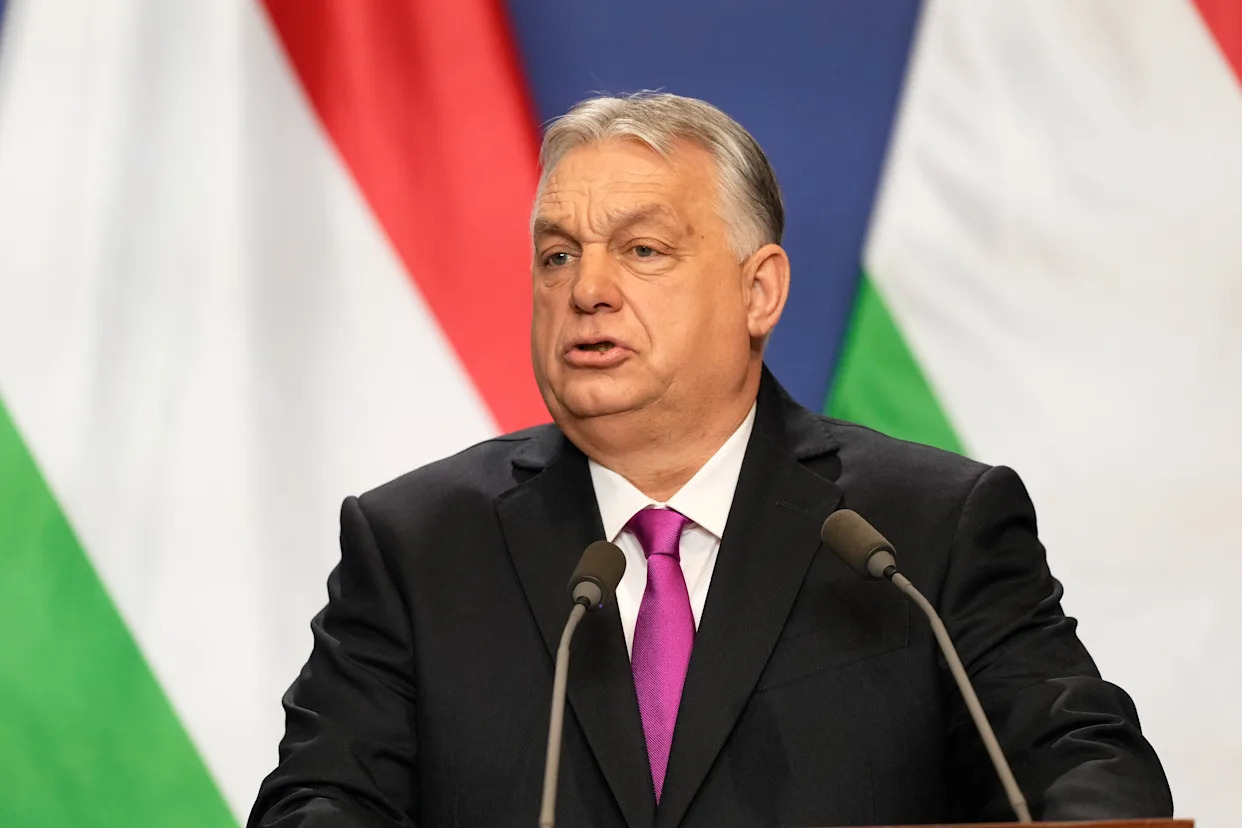
Hungarian Prime Minister Viktor Orbán has ordered increased security measures at critical energy infrastructure sites following his assertion that Ukraine is attempting to disrupt Hungary’s energy system. This decision comes amidst rising tensions between Budapest and Kyiv, particularly concerning oil deliveries through the Druzhba pipeline, which traverses Ukrainian territory.
In a video posted on social media, Orbán claimed that the Ukrainian government is employing “an oil blockade” to apply pressure on Hungary. He stated that Hungarian national security services indicated Ukraine is “preparing further actions to disrupt the operation of Hungary’s energy system.” The Prime Minister did not provide specific evidence to support these allegations.
Orbán announced plans to deploy soldiers and additional equipment to protect key energy facilities. “The police will patrol with increased forces around designated power plants, distribution stations, and control centers,” he stated.
Background of Tensions
Since the onset of the conflict in Ukraine on February 24, 2022, most European countries have significantly reduced or completely halted imports of Russian energy. However, both Hungary and Slovakia, which are members of the EU and NATO, have continued to receive Russian oil and gas, benefiting from a temporary exemption from EU restrictions on Russian oil imports.
Tensions escalated further over the weekend when Hungary threatened to block a significant €90 billion (approximately $106 billion) EU loan for Ukraine and vetoed a new round of EU sanctions against Russia. Orbán has stated that Hungary will not support any EU measures to assist Ukraine until oil deliveries resume.
The Druzhba pipeline has been out of commission since January 27, 2024. Ukrainian officials have noted that repairs are challenging, and the pipeline can only function reliably if Russia refrains from targeting energy infrastructure.
Orbán has also imposed a ban on drone operations in Szabolcs-Szatmárc-Bereg County, which borders Ukraine. These actions are seen as a direct response to his claims regarding Ukraine’s alleged interference with Hungary’s energy supply.
Political Implications
Orbán’s accusations against Ukraine are framed against a backdrop of significant political challenges. As he prepares for elections scheduled for April 12, 2024, the Prime Minister has faced increased scrutiny. Polls indicate that his right-wing Fidesz party is trailing behind a rising center-right challenger, Péter Magyar.
In the lead-up to the election, Orbán has ramped up a media campaign portraying Ukraine as an existential threat to Hungary. His party has warned that losing the election could lead to a shift in policy that would draw Hungary into the ongoing conflict in Ukraine, jeopardizing the safety of its youth and the country’s stability.
According to reports, Orbán has accused Ukraine of “blackmail” aimed at coercing him into softening his stance against Kyiv. The rhetoric surrounding these allegations reflects the increasingly polarized relationship between Hungary and Ukraine, compounded by the broader geopolitical landscape in Europe.
The situation remains fluid, and the ramifications of these actions could have significant implications for Hungary’s energy security and its political landscape as the election approaches.

Philadelphia Parks Launch Free Earth Month Events Starting April 1

Bradford’s Fish Fry Fridays Serve Community with Delicious Dinners

Trump Faces Growing Challenges Amid Rising Tensions with Iran

Scientists Probe the Universe’s Missing Topological Defects

Samsung Galaxy Watch 9 to Feature Larger 435mAh Battery

UConn Huskies Aim to Defend Title in 2026 NCAA Women’s Tournament

U.S. Littoral Combat Ships Dock in Malaysia Amid Regional Tensions

Healthy Choice Wellness Reports Quarterly Earnings, Shares Rise

Urgent News: Charles M. Payment Passes Away at 78 in Duluth

University of Hawaiʻi Joins $25.6M AI Project to Enhance Disaster Monitoring

Major Grant Enhances Cancer Care and Research in Hawaiʻi

Joleen Chaney, Beloved Journalist, Passes Leaving Lasting Legacy

San Francisco’s SFO to Welcome 16 Airlines with Nonstop Flights to Europe in 2026

Goldman Sachs Unveils 2026 Catalyst Playbook for Biotech Investors

Discover Top Business Smartphones for Professionals in 2026

Urgent Update: Tom Aspinall’s Vision Deteriorates After UFC 321

Texas Roadhouse Honors Veterans with Free Meal Vouchers

CD Projekt Red Confirms No Release for The Witcher 4 in 2026
-
Science9 months ago
University of Hawaiʻi Joins $25.6M AI Project to Enhance Disaster Monitoring
-
 Health8 months ago
Major Grant Enhances Cancer Care and Research in Hawaiʻi
-
 Top Stories9 months ago
Joleen Chaney, Beloved Journalist, Passes Leaving Lasting Legacy
-
 World7 months ago
San Francisco’s SFO to Welcome 16 Airlines with Nonstop Flights to Europe in 2026
-
 Business8 months ago
Goldman Sachs Unveils 2026 Catalyst Playbook for Biotech Investors
-
 Business8 months ago
Discover Top Business Smartphones for Professionals in 2026
-
 Top Stories10 months ago
Urgent Update: Tom Aspinall’s Vision Deteriorates After UFC 321
-
 Lifestyle9 months ago
Texas Roadhouse Honors Veterans with Free Meal Vouchers
-
 Entertainment9 months ago
CD Projekt Red Confirms No Release for The Witcher 4 in 2026
-

 Top Stories10 months ago
AI Disruption: AWS Faces Threat as Startups Shift Cloud Focus
-

 Health10 months ago
MIT Scientists Uncover Surprising Genomic Loops During Cell Division
-

 Entertainment10 months ago
Discover the Full Map of Pokémon Legends: Z-A’s Lumiose City