
Science
Trees and Kindness: Nature’s Silent Acts of Compassion

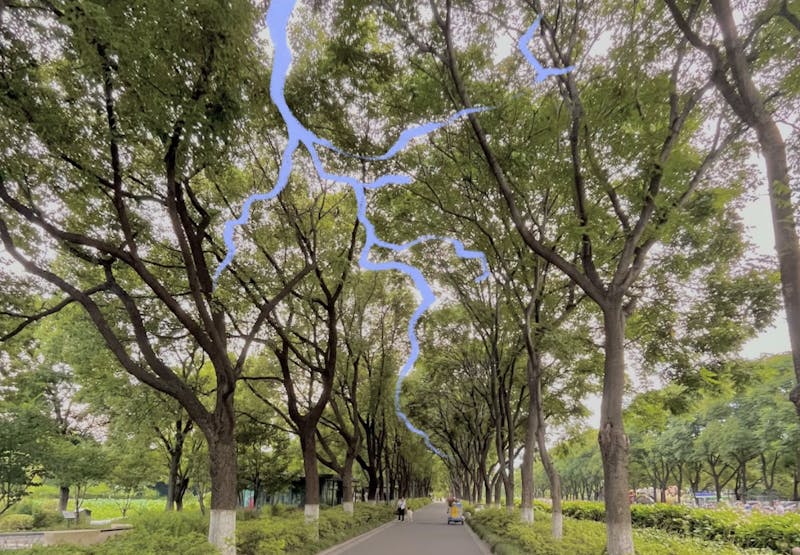
In a reflection on the interconnectedness of nature and human kindness, Danusha Laméris‘ poem “Small Kindnesses” highlights the innate desire to avoid harm to one another. This sentiment resonates deeply with the observation of a fascinating natural phenomenon known as crown shyness, where trees in densely packed forests refrain from overlapping their canopies. This behavior ensures that each tree receives adequate sunlight, prompting questions about the evolutionary advantages of such cooperation.
The Mystery of Crown Shyness
Crown shyness, or canopy disengagement, is an observable trait in various tree species. It manifests as a delicate arrangement of branches that avoid collision, creating intricate patterns against the backdrop of a clear blue sky. This behavior raises intriguing questions: why do trees choose to withdraw from competition over resources instead of engaging in a struggle for dominance?
While trees are unable to communicate verbally, their methods of protection and support are remarkable. When a tree is damaged or falls, it releases pheromones that alert nearby trees. This chemical signal prompts neighboring trees to extend their roots and share vital nutrients, reinforcing a silent but powerful bond of mutual aid. The message is clear: “Take my minerals, nutrients, and all of this good earth along with it.” Such actions illustrate a profound understanding of coexistence in nature.
Everyday Kindness and Human Connection
Beyond the natural world, instances of kindness can also be found in the everyday objects around us. Simple items, such as cotton socks hung out to dry, exhibit a gentle dance in the wind, reaching for one another in a display of unity. The transformation of star anise into a fragrant seasoning, or the well-worn velcro straps of shoes that have served diligently, each tell a story of quiet existence and shared experience.
Another poignant example of connection arises when people navigate the rain with umbrellas. As individuals pass by each other, their umbrellas tilt to avoid collision, sending droplets cascading to the ground. This moment of avoidance is a subtle yet significant act of consideration, highlighting how we can coexist in crowded spaces while maintaining respect for one another.
Yet, not all objects convey kindness. Anti-roosting spikes and benches segmented with excessive armrests serve as reminders of how designs can sometimes alienate. Such features indicate a societal tendency to create barriers that isolate rather than unite. This duality underscores the importance of observation and awareness in our interactions with both people and objects.
In navigating the complexities of daily life, it is essential to foster a sense of community and mutual care. By recognizing the silent acts of kindness in our surroundings, we cultivate a deeper appreciation for the connections we share. As we progress through life, may we strive to embody the principles of cooperation and compassion, much like the trees that stand tall and resilient in their shared spaces.
Crystal Wang, a sophomore studying Molecular and Cellular Biology at the University of Maryland, Baltimore, invites readers to reflect on the beauty of kindness—both in nature and in our daily lives. Through simple observations, we can uncover the profound impact of our interactions and the silent agreements that shape our environments.

Philadelphia Parks Launch Free Earth Month Events Starting April 1

Bradford’s Fish Fry Fridays Serve Community with Delicious Dinners

Trump Faces Growing Challenges Amid Rising Tensions with Iran

Scientists Probe the Universe’s Missing Topological Defects

Samsung Galaxy Watch 9 to Feature Larger 435mAh Battery

UConn Huskies Aim to Defend Title in 2026 NCAA Women’s Tournament

U.S. Littoral Combat Ships Dock in Malaysia Amid Regional Tensions

Healthy Choice Wellness Reports Quarterly Earnings, Shares Rise

Urgent News: Charles M. Payment Passes Away at 78 in Duluth

University of Hawaiʻi Joins $25.6M AI Project to Enhance Disaster Monitoring

Major Grant Enhances Cancer Care and Research in Hawaiʻi

Joleen Chaney, Beloved Journalist, Passes Leaving Lasting Legacy

San Francisco’s SFO to Welcome 16 Airlines with Nonstop Flights to Europe in 2026

Goldman Sachs Unveils 2026 Catalyst Playbook for Biotech Investors

Discover Top Business Smartphones for Professionals in 2026

Urgent Update: Tom Aspinall’s Vision Deteriorates After UFC 321

Texas Roadhouse Honors Veterans with Free Meal Vouchers

CD Projekt Red Confirms No Release for The Witcher 4 in 2026
-
Science9 months ago
University of Hawaiʻi Joins $25.6M AI Project to Enhance Disaster Monitoring
-
 Health8 months ago
Major Grant Enhances Cancer Care and Research in Hawaiʻi
-
 Top Stories9 months ago
Joleen Chaney, Beloved Journalist, Passes Leaving Lasting Legacy
-
 World7 months ago
San Francisco’s SFO to Welcome 16 Airlines with Nonstop Flights to Europe in 2026
-
 Business8 months ago
Goldman Sachs Unveils 2026 Catalyst Playbook for Biotech Investors
-
 Business8 months ago
Discover Top Business Smartphones for Professionals in 2026
-
 Top Stories9 months ago
Urgent Update: Tom Aspinall’s Vision Deteriorates After UFC 321
-
 Lifestyle9 months ago
Texas Roadhouse Honors Veterans with Free Meal Vouchers
-
 Entertainment8 months ago
CD Projekt Red Confirms No Release for The Witcher 4 in 2026
-

 Top Stories10 months ago
AI Disruption: AWS Faces Threat as Startups Shift Cloud Focus
-

 Health10 months ago
MIT Scientists Uncover Surprising Genomic Loops During Cell Division
-

 Entertainment10 months ago
Discover the Full Map of Pokémon Legends: Z-A’s Lumiose City