
Lifestyle
Build Lasting Change Through Authentic Relationships

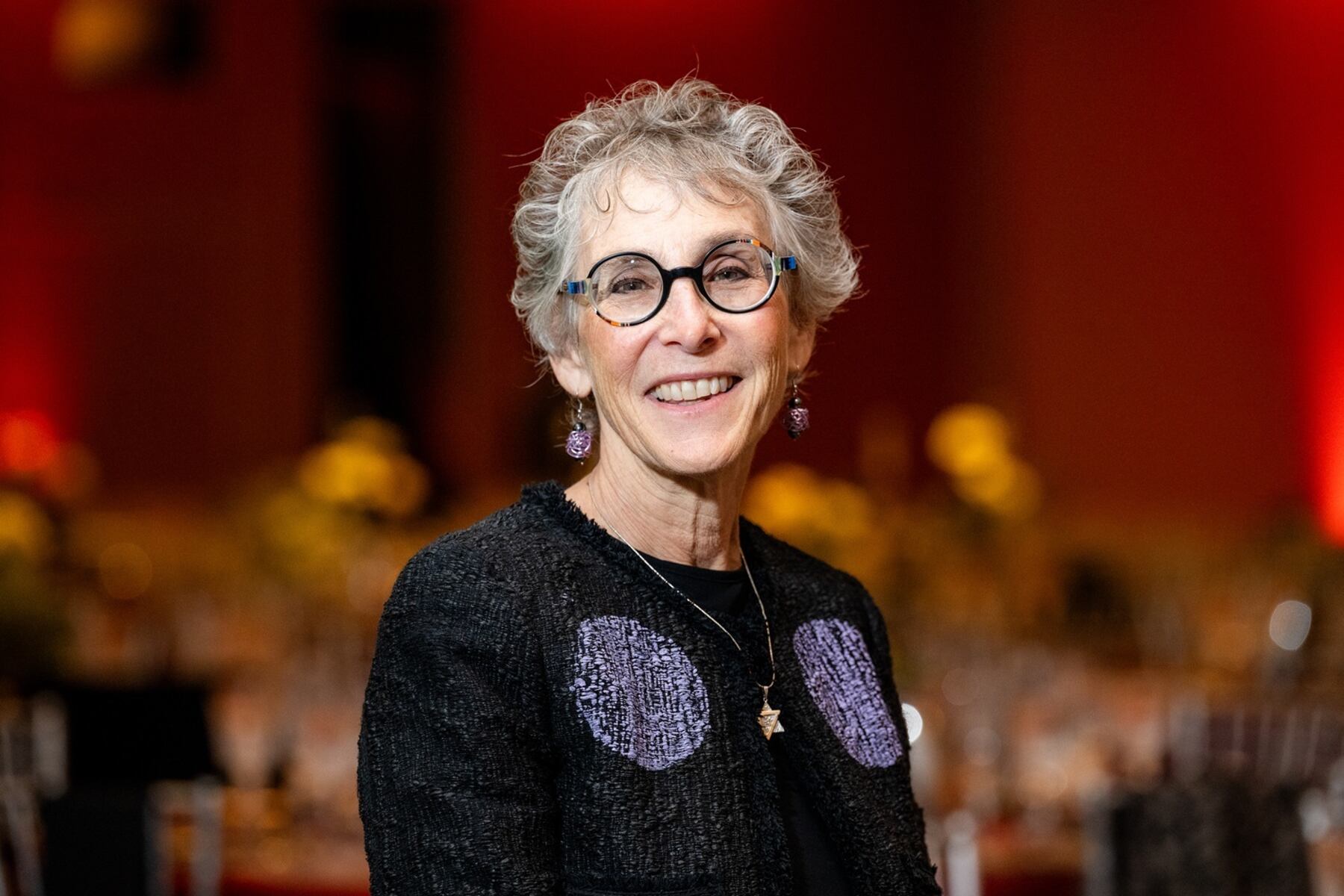
Susan Reis, the state policy advocate for Ohio with the National Council of Jewish Women (NCJW), emphasizes the importance of genuine relationships in fostering community change. In her role, Reis encourages individuals to connect with legislators to articulate their positions on various issues. She advocates for building authentic human connections to create a foundation for meaningful and lasting change.
Listening as the First Step
Reis asserts that fostering relationships begins with active listening rather than seeking agreement. It is crucial to listen to the stories, experiences, and concerns of others. This approach helps to bridge gaps across socioeconomic backgrounds, races, and religions. By understanding shared values and challenges, communities can collaborate effectively, moving from assumptions to mutual trust.
“When we listen across lines of socioeconomic status, race, religion, and neighborhood, we begin to see what we share,” Reis explains. This understanding does not erase differences but creates pathways for collaboration.
Patience in Building Connections
While building relationships is fundamentally simple, it often requires patience. Reis acknowledges that reaching out to new individuals can feel uncomfortable and that trust cannot be established overnight. “This work isn’t quick,” she states, noting that real change typically does not adhere to tight deadlines. Instead, relationships flourish through consistent, meaningful interactions over time.
She advises that small, intentional actions can lead to significant impacts. Simple gestures like showing up for events, checking in on others, or having unstructured conversations are essential in nurturing relationships. “When we take time to really know one another,” she notes, “we learn who to call when it’s time to act.”
Being present and engaged in community matters can pave the way for collaborative efforts, ultimately driving progress. Strong relationships do not conclude once a specific campaign or project is completed; they continue to develop, reinforcing community resilience and the sustainability of efforts.
Encouraging Intentional Action
To encourage readers to take actionable steps towards building relationships, Reis proposes a challenge: connect with someone new this week. This could involve exchanging contact details with a neighbor, fellow volunteer, or a local leader, such as a city council or school board member. Whether over coffee or a brief virtual chat, the aim is simply to get to know one another without any agenda or pressure.
Reis believes that these initial connections can reveal shared interests, particularly a mutual desire to improve the community. “You may be surprised by how much you have in common,” she says, inviting everyone to invest in the power of human connections. By prioritizing relationships, communities can lay the groundwork for substantial change, ensuring that efforts persist well beyond immediate objectives.
Readers interested in contributing their perspectives on community topics are encouraged to submit essays for consideration. For submissions, please contact Ann Norman at [email protected]. Each essay should be approximately 500 words and accompanied by a brief biography and headshot.

Philadelphia Parks Launch Free Earth Month Events Starting April 1

Bradford’s Fish Fry Fridays Serve Community with Delicious Dinners

Trump Faces Growing Challenges Amid Rising Tensions with Iran

Scientists Probe the Universe’s Missing Topological Defects

Samsung Galaxy Watch 9 to Feature Larger 435mAh Battery

UConn Huskies Aim to Defend Title in 2026 NCAA Women’s Tournament

U.S. Littoral Combat Ships Dock in Malaysia Amid Regional Tensions

Healthy Choice Wellness Reports Quarterly Earnings, Shares Rise

Urgent News: Charles M. Payment Passes Away at 78 in Duluth

University of Hawaiʻi Joins $25.6M AI Project to Enhance Disaster Monitoring

Major Grant Enhances Cancer Care and Research in Hawaiʻi

Joleen Chaney, Beloved Journalist, Passes Leaving Lasting Legacy

San Francisco’s SFO to Welcome 16 Airlines with Nonstop Flights to Europe in 2026

Goldman Sachs Unveils 2026 Catalyst Playbook for Biotech Investors

Discover Top Business Smartphones for Professionals in 2026

Urgent Update: Tom Aspinall’s Vision Deteriorates After UFC 321

Texas Roadhouse Honors Veterans with Free Meal Vouchers

CD Projekt Red Confirms No Release for The Witcher 4 in 2026
-
Science9 months ago
University of Hawaiʻi Joins $25.6M AI Project to Enhance Disaster Monitoring
-
 Health8 months ago
Major Grant Enhances Cancer Care and Research in Hawaiʻi
-
 Top Stories9 months ago
Joleen Chaney, Beloved Journalist, Passes Leaving Lasting Legacy
-
 World7 months ago
San Francisco’s SFO to Welcome 16 Airlines with Nonstop Flights to Europe in 2026
-
 Business8 months ago
Goldman Sachs Unveils 2026 Catalyst Playbook for Biotech Investors
-
 Business7 months ago
Discover Top Business Smartphones for Professionals in 2026
-
 Top Stories9 months ago
Urgent Update: Tom Aspinall’s Vision Deteriorates After UFC 321
-
 Lifestyle9 months ago
Texas Roadhouse Honors Veterans with Free Meal Vouchers
-
 Entertainment8 months ago
CD Projekt Red Confirms No Release for The Witcher 4 in 2026
-

 Top Stories10 months ago
AI Disruption: AWS Faces Threat as Startups Shift Cloud Focus
-

 Health10 months ago
MIT Scientists Uncover Surprising Genomic Loops During Cell Division
-

 Entertainment10 months ago
Discover the Full Map of Pokémon Legends: Z-A’s Lumiose City