
Science
Henrietta Lacks’s HeLa Cells Revolutionize Medical Research Ethics

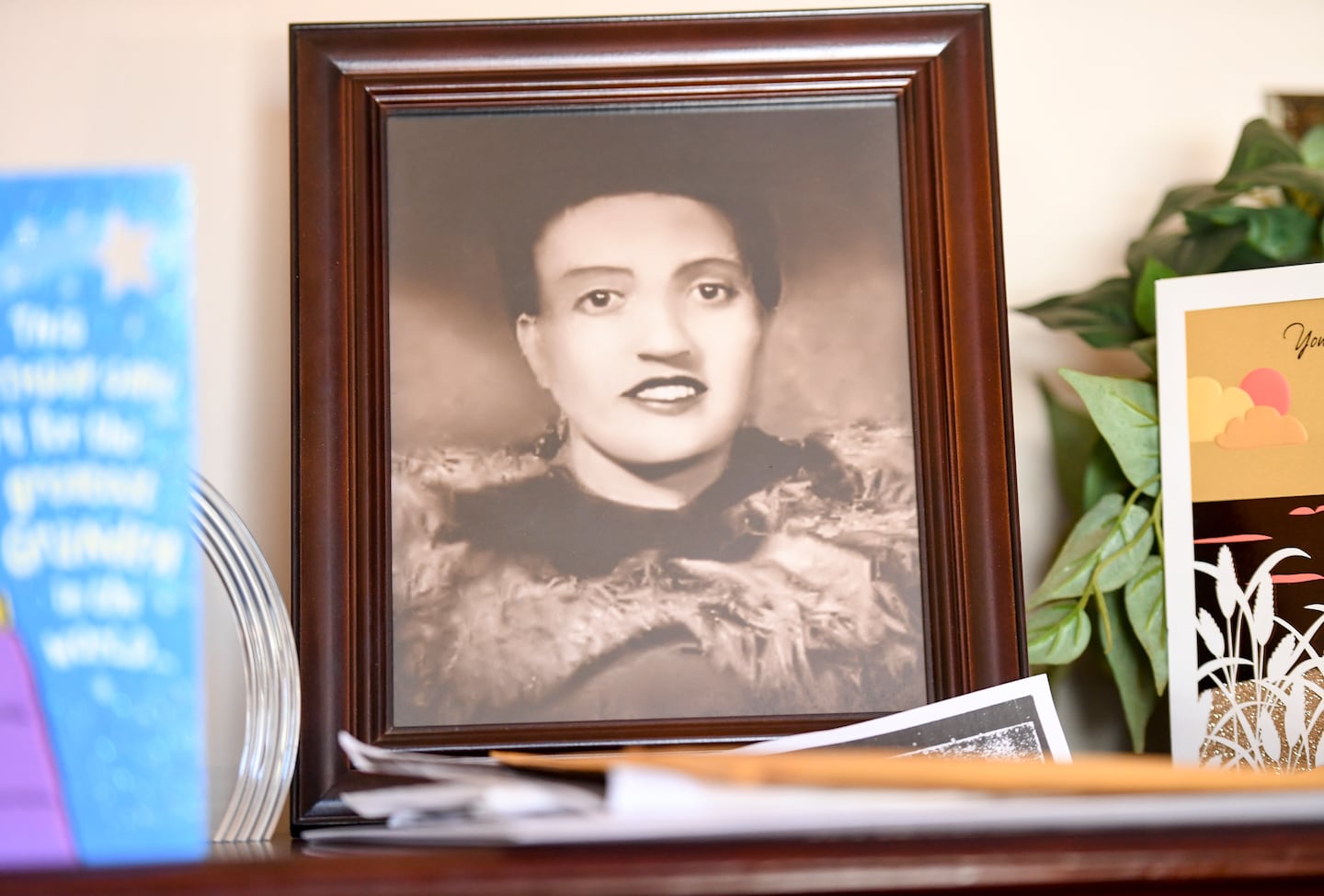
Seventy-five years ago, Henrietta Lacks unwittingly changed the landscape of medical research ethics. In 1951, doctors at Johns Hopkins Hospital harvested cells from Lacks, an African American woman undergoing treatment for cervical cancer, without her consent. These cells, known as HeLa cells, became foundational to numerous scientific breakthroughs, including the development of the polio and HPV vaccines, as well as treatments for HIV/AIDS, leukemia, and influenza.
Lacks passed away in 1951, but her “immortal” cells continue to reproduce in laboratories worldwide. Researchers today reflect on the profound impact of these cells on their work and the ethical implications of Lacks’s case. “To the modern researcher, the fact that cells were taken and established into an immortalized, forever-growing cell line from a patient that didn’t know that happened is astounding,” said Cigall Kadoch, an associate professor of pediatric oncology at Dana-Farber Cancer Institute and Harvard Medical School.
The story of Henrietta Lacks gained significant attention with the 2010 release of Rebecca Skloot’s book, “The Immortal Life of Henrietta Lacks.” More recently, her family filed a lawsuit against Thermo Fisher Scientific in 2023, claiming the company profited from a racially biased medical system, ultimately reaching a confidential settlement. Earlier this month, they settled with Novartis, a Swiss pharmaceutical giant.
Born in 1920 in Roanoke, Virginia, Lacks worked on a tobacco farm and married David “Day” Lacks in 1941. She had five children and first visited Johns Hopkins on February 1, 1951, complaining of a “knot” in her cervix. The hospital, one of the few providing public medical care for Black patients at the time, became the site where Lacks unknowingly became part of a significant medical advancement.
After undergoing a biopsy, Lacks was diagnosed with cervical cancer. Not wanting to worry her family, she initially kept her diagnosis secret. She signed a consent form for any necessary procedures before receiving radium treatment. During this treatment, samples from both her tumor and healthy cervical tissue were taken by Dr. George Gey for culture in his lab. These cells were labeled as HeLa, derived from the first two letters of her first and last names.
Prior to the discovery of HeLa cells, scientists struggled to keep human cells alive outside the body. However, Lacks’s cells thrived and multiplied rapidly, leading Gey to share them with researchers globally, all while failing to acknowledge Lacks’s contribution.
Dr. Sabrina Assoumou, an infectious disease physician at Boston Medical Center, credits much of her work on HIV research to the foundation laid by HeLa cells. Assoumou is involved in the development of a long-acting HIV medication, Sunlenca, recently approved by the FDA. She emphasizes that HeLa cells have been critical in understanding HIV infection mechanisms, which in turn has led to significant advancements in patient care.
In the early days of the HIV/AIDS epidemic, researchers found that HeLa cells did not become infected with the virus in the same way immune cells did, according to the National Institutes of Health. By altering the DNA of HeLa samples, scientists could study how HIV infects and impacts cells with various characteristics. Assoumou noted, “Understanding the mechanism that helped us later develop drugs that enable me to help my patients live longer and happier lives, a lot of the underpinnings were related to a lot of that fundamental work” using HeLa cells.
Kadoch, who conducts research with the HeLa cell line at Dana-Farber, highlights the advancements in gene sequencing that have emerged from studying these cells. She explains that cancer is not a singular disease but a complex collection of various conditions. Despite the breakthroughs facilitated by HeLa cells, establishing cell lines for all types of cancer remains a challenge. Kadoch pointed out that human cells can change when cultured in different lab conditions, leading to variability: “We often say no two HeLa cell lines from two different labs are the same,” she stated.
The story of Henrietta Lacks has not only contributed to significant scientific advancements but has also prompted a reexamination of ethical standards in medical research. Assoumou co-developed a course at Boston Medical Center aimed at educating medical interpreters about clinical trial challenges through a patient-centric lens. This course addresses historical instances of medical mistrust, including Lacks’s case and the Tuskegee syphilis study, where Black male patients were denied treatment to study the disease.
The initiative aims to empower interpreters to advocate for patients who may struggle with language barriers. “We’ve learned and developed procedures and practices to help us be better researchers,” Assoumou remarked. “I can say that today I’m a better researcher because of the procedures and practices that were in place after what happened [to Lacks].”
Kadoch believes that informed consent is critical for ensuring diversity among research participants. As cancer has a genetic basis, understanding its mutations across different populations is vital for effective treatment. “We’ll do a better job for our worldly effort against cancer if we understand the heterogeneous repertoire of individuals that get these diseases and the type of genes that are contributing to these diseases,” she explained.
Kadoch also emphasizes the importance of recognizing the contributions of patients like Lacks. She encourages researchers to appreciate the origins of their work: “Know what you work with, and where it came from.”
The legacy of Henrietta Lacks continues to influence medical research, inspiring ethical practices and advancing scientific understanding, while also serving as a poignant reminder of the need for respect and recognition in the pursuit of knowledge.

Philadelphia Parks Launch Free Earth Month Events Starting April 1

Bradford’s Fish Fry Fridays Serve Community with Delicious Dinners

Trump Faces Growing Challenges Amid Rising Tensions with Iran

Scientists Probe the Universe’s Missing Topological Defects

Samsung Galaxy Watch 9 to Feature Larger 435mAh Battery

UConn Huskies Aim to Defend Title in 2026 NCAA Women’s Tournament

U.S. Littoral Combat Ships Dock in Malaysia Amid Regional Tensions

Healthy Choice Wellness Reports Quarterly Earnings, Shares Rise

Urgent News: Charles M. Payment Passes Away at 78 in Duluth

University of Hawaiʻi Joins $25.6M AI Project to Enhance Disaster Monitoring

Major Grant Enhances Cancer Care and Research in Hawaiʻi

Joleen Chaney, Beloved Journalist, Passes Leaving Lasting Legacy

San Francisco’s SFO to Welcome 16 Airlines with Nonstop Flights to Europe in 2026

Goldman Sachs Unveils 2026 Catalyst Playbook for Biotech Investors

Discover Top Business Smartphones for Professionals in 2026

Urgent Update: Tom Aspinall’s Vision Deteriorates After UFC 321

Texas Roadhouse Honors Veterans with Free Meal Vouchers

CD Projekt Red Confirms No Release for The Witcher 4 in 2026
-
Science9 months ago
University of Hawaiʻi Joins $25.6M AI Project to Enhance Disaster Monitoring
-
 Health8 months ago
Major Grant Enhances Cancer Care and Research in Hawaiʻi
-
 Top Stories9 months ago
Joleen Chaney, Beloved Journalist, Passes Leaving Lasting Legacy
-
 World7 months ago
San Francisco’s SFO to Welcome 16 Airlines with Nonstop Flights to Europe in 2026
-
 Business8 months ago
Goldman Sachs Unveils 2026 Catalyst Playbook for Biotech Investors
-
 Business7 months ago
Discover Top Business Smartphones for Professionals in 2026
-
 Top Stories9 months ago
Urgent Update: Tom Aspinall’s Vision Deteriorates After UFC 321
-
 Lifestyle9 months ago
Texas Roadhouse Honors Veterans with Free Meal Vouchers
-
 Entertainment8 months ago
CD Projekt Red Confirms No Release for The Witcher 4 in 2026
-

 Top Stories10 months ago
AI Disruption: AWS Faces Threat as Startups Shift Cloud Focus
-

 Health10 months ago
MIT Scientists Uncover Surprising Genomic Loops During Cell Division
-

 Entertainment10 months ago
Discover the Full Map of Pokémon Legends: Z-A’s Lumiose City