
World
Explosions Rock Gulf States Following Iran’s Retaliatory Strikes

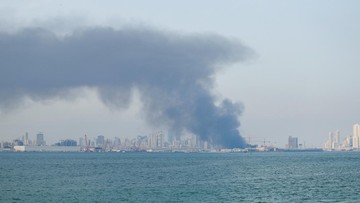
Explosions have been reported in several cities across the Gulf region following Iran’s recent retaliatory strikes against United States military facilities in the Middle East. The incidents have heightened tensions in an already volatile area, prompting concerns among local populations and international observers alike.
Details of the Explosions
Reports indicate that explosions were heard in major cities such as Kuwait City, Manama in Bahrain, and various locations in the United Arab Emirates. The blasts occurred in the early hours of September 30, 2023, and were linked to Iran’s response to perceived threats from the U.S. military presence in the region.
Local sources confirmed that the explosions originated from military sites, although the exact locations and the extent of damage remain unclear. Eyewitnesses described the blasts as powerful, shaking buildings and causing alarm among residents. “It felt like an earthquake,” said one resident of Kuwait City, who requested to remain anonymous.
Context and Reactions
The strikes come as part of a broader pattern of escalating military exchanges between Iran and the U.S., which have included drone and missile attacks over the past few months. These events have raised fears of a larger conflict in the region, where tensions have been high since the U.S. reinstated sanctions against Iran in 2018.
The Iranian government has framed its actions as necessary to defend its sovereignty. Iranian state media reported that the attacks targeted U.S. military assets in response to previous airstrikes attributed to American forces. A spokesperson for Iran’s Foreign Ministry stated, “We will not tolerate any form of aggression against our nation.”
International reactions have varied, with some countries calling for restraint and dialogue to de-escalate the situation. The United Nations has expressed concern over the rising violence and its potential impact on regional stability.
As the situation develops, authorities in the Gulf states are on high alert. Security measures have been increased, and residents are urged to stay informed about potential risks. The ongoing conflict poses a significant threat not only to local populations but also to international shipping routes that traverse these waters.
The implications of these attacks extend beyond immediate military concerns. Economically, the Gulf states rely heavily on stability for trade and tourism. Disruptions due to conflict could have far-reaching effects on their economies, which are still recovering from the impacts of the COVID-19 pandemic.
With tensions continuing to mount, the world watches closely as developments unfold. The potential for further military action remains high, and the need for diplomatic solutions has never been more urgent.

Philadelphia Parks Launch Free Earth Month Events Starting April 1

Bradford’s Fish Fry Fridays Serve Community with Delicious Dinners

Trump Faces Growing Challenges Amid Rising Tensions with Iran

Scientists Probe the Universe’s Missing Topological Defects

Samsung Galaxy Watch 9 to Feature Larger 435mAh Battery

UConn Huskies Aim to Defend Title in 2026 NCAA Women’s Tournament

U.S. Littoral Combat Ships Dock in Malaysia Amid Regional Tensions

Healthy Choice Wellness Reports Quarterly Earnings, Shares Rise

Urgent News: Charles M. Payment Passes Away at 78 in Duluth

University of Hawaiʻi Joins $25.6M AI Project to Enhance Disaster Monitoring

Major Grant Enhances Cancer Care and Research in Hawaiʻi

Joleen Chaney, Beloved Journalist, Passes Leaving Lasting Legacy

San Francisco’s SFO to Welcome 16 Airlines with Nonstop Flights to Europe in 2026

Goldman Sachs Unveils 2026 Catalyst Playbook for Biotech Investors

Discover Top Business Smartphones for Professionals in 2026

Urgent Update: Tom Aspinall’s Vision Deteriorates After UFC 321

Texas Roadhouse Honors Veterans with Free Meal Vouchers

CD Projekt Red Confirms No Release for The Witcher 4 in 2026
-
Science9 months ago
University of Hawaiʻi Joins $25.6M AI Project to Enhance Disaster Monitoring
-
 Health8 months ago
Major Grant Enhances Cancer Care and Research in Hawaiʻi
-
 Top Stories9 months ago
Joleen Chaney, Beloved Journalist, Passes Leaving Lasting Legacy
-
 World7 months ago
San Francisco’s SFO to Welcome 16 Airlines with Nonstop Flights to Europe in 2026
-
 Business8 months ago
Goldman Sachs Unveils 2026 Catalyst Playbook for Biotech Investors
-
 Business8 months ago
Discover Top Business Smartphones for Professionals in 2026
-
 Top Stories9 months ago
Urgent Update: Tom Aspinall’s Vision Deteriorates After UFC 321
-
 Lifestyle9 months ago
Texas Roadhouse Honors Veterans with Free Meal Vouchers
-
 Entertainment8 months ago
CD Projekt Red Confirms No Release for The Witcher 4 in 2026
-

 Top Stories10 months ago
AI Disruption: AWS Faces Threat as Startups Shift Cloud Focus
-

 Health10 months ago
MIT Scientists Uncover Surprising Genomic Loops During Cell Division
-

 Entertainment10 months ago
Discover the Full Map of Pokémon Legends: Z-A’s Lumiose City