
Business
Elon Musk Critiques Waymo After Robotaxis Stall During Blackout

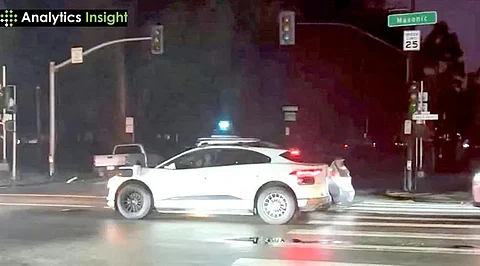
Elon Musk publicly criticized Waymo after its robotaxi service became immobilized during a significant power outage in San Francisco. The blackout affected approximately 130,000 households and businesses, leading to widespread traffic disruptions as vehicles stalled at intersections due to non-functioning traffic signals.
Musk, the CEO of Tesla, took to the social media platform X to highlight Tesla’s resilience during the incident. He shared videos showing Waymo’s self-driving cars halting at intersections, while retweeting footage of a Tesla Robotaxi successfully navigating through a similar situation. Musk stated, “Tesla Robotaxis were not affected by the SF power outage,” emphasizing Tesla’s operational reliability during the blackout.
Waymo Pauses Service Amid Citywide Traffic Chaos
According to reports from Wired, Waymo was forced to temporarily suspend its self-driving ride-sharing service due to the outage. This incident left many of its vehicles stranded at intersections, causing considerable frustration among commuters who honked and maneuvered around the unmoving cars. A spokesman for Waymo confirmed to Fox News Digital that the service resumed shortly after the blackout subsided.
The power outage was attributed to a fire that broke out at a Pacific Gas and Electric Company (PG&E) substation located in the Mission District. PG&E described the damage as “significant and extensive,” complicating restoration efforts. By Sunday morning, power had been restored to around 110,000 customers, though approximately 21,000 homes remained without electricity, primarily in the western and central areas of San Francisco.
Understanding the Impact on Self-Driving Technology
Waymo’s self-driving technology is designed to interpret non-functional traffic signals as four-way stops. However, the severity of the outage caused some vehicles to remain halted for extended periods, further exacerbating traffic congestion in the city. Waymo acknowledged the challenges posed by the incident, stating, “We are committed to working swiftly to integrate lessons learned from experience into our performance to respond effectively to major infrastructure incidents.”
The events highlighted the vulnerabilities in autonomous vehicle systems during significant infrastructure failures. While Tesla’s vehicles continued to operate, the incident raises important questions about the operational limits of self-driving technologies in emergency situations. As cities increasingly rely on automated systems, the need for robust contingency protocols becomes evident.
Musk’s mockery of Waymo adds another layer to the ongoing rivalry between the two companies, particularly in the realm of autonomous driving technology. As the industry evolves, both Tesla and Waymo will need to adapt to ensure their vehicles can effectively navigate not only routine traffic but also unexpected infrastructure challenges.

Philadelphia Parks Launch Free Earth Month Events Starting April 1

Bradford’s Fish Fry Fridays Serve Community with Delicious Dinners

Trump Faces Growing Challenges Amid Rising Tensions with Iran

Scientists Probe the Universe’s Missing Topological Defects

Samsung Galaxy Watch 9 to Feature Larger 435mAh Battery

UConn Huskies Aim to Defend Title in 2026 NCAA Women’s Tournament

U.S. Littoral Combat Ships Dock in Malaysia Amid Regional Tensions

Healthy Choice Wellness Reports Quarterly Earnings, Shares Rise

Urgent News: Charles M. Payment Passes Away at 78 in Duluth

University of Hawaiʻi Joins $25.6M AI Project to Enhance Disaster Monitoring

Major Grant Enhances Cancer Care and Research in Hawaiʻi

Joleen Chaney, Beloved Journalist, Passes Leaving Lasting Legacy

San Francisco’s SFO to Welcome 16 Airlines with Nonstop Flights to Europe in 2026

Goldman Sachs Unveils 2026 Catalyst Playbook for Biotech Investors

Discover Top Business Smartphones for Professionals in 2026

Urgent Update: Tom Aspinall’s Vision Deteriorates After UFC 321

Texas Roadhouse Honors Veterans with Free Meal Vouchers

CD Projekt Red Confirms No Release for The Witcher 4 in 2026
-
Science9 months ago
University of Hawaiʻi Joins $25.6M AI Project to Enhance Disaster Monitoring
-
 Health8 months ago
Major Grant Enhances Cancer Care and Research in Hawaiʻi
-
 Top Stories9 months ago
Joleen Chaney, Beloved Journalist, Passes Leaving Lasting Legacy
-
 World7 months ago
San Francisco’s SFO to Welcome 16 Airlines with Nonstop Flights to Europe in 2026
-
 Business8 months ago
Goldman Sachs Unveils 2026 Catalyst Playbook for Biotech Investors
-
 Business7 months ago
Discover Top Business Smartphones for Professionals in 2026
-
 Top Stories9 months ago
Urgent Update: Tom Aspinall’s Vision Deteriorates After UFC 321
-
 Lifestyle9 months ago
Texas Roadhouse Honors Veterans with Free Meal Vouchers
-
 Entertainment8 months ago
CD Projekt Red Confirms No Release for The Witcher 4 in 2026
-

 Top Stories10 months ago
AI Disruption: AWS Faces Threat as Startups Shift Cloud Focus
-

 Health10 months ago
MIT Scientists Uncover Surprising Genomic Loops During Cell Division
-

 Entertainment10 months ago
Discover the Full Map of Pokémon Legends: Z-A’s Lumiose City