
Entertainment
Rediscovering The Division 2: A Looter Shooter That Evolved

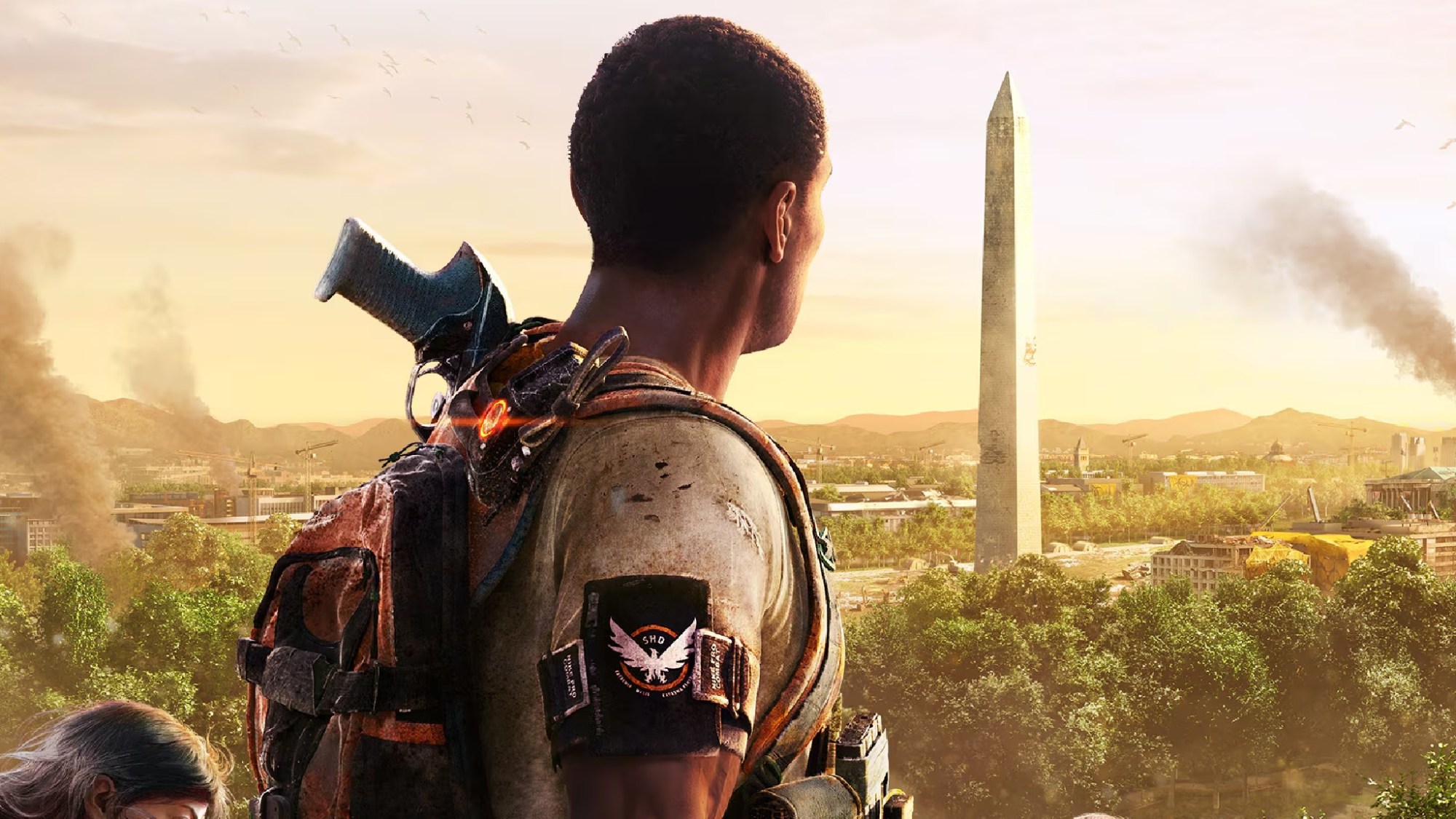
In a gaming landscape often dominated by new releases and marketing hype, Tom Clancy’s The Division 2 stands out as a remarkable example of a game that has quietly evolved into one of the best entries in the looter shooter genre since its launch in March 2019. While many players have shifted their focus to newer titles, this game has continued to refine its mechanics and expand its content through consistent updates.
Many games rely on significant overhauls or trendy reinventions to maintain player interest. In contrast, The Division 2 has opted for a steady, thoughtful approach, enhancing its core systems without disrupting the existing gameplay experience. This has allowed the game to develop a more cohesive and engaging environment, making it a standout title even years after its debut.
Consistent Evolution and Strategic Gameplay
From its inception, The Division series distinguished itself with a focus on tactical combat and character customization. The Division 2 has carried that legacy forward, but its ongoing support has truly defined its success. Instead of chasing fleeting trends, the developers at Ubisoft have worked to strengthen the game’s foundation.
Gear mechanics have undergone significant reworking to promote thoughtful character builds. Progression loops have been adjusted to enhance player experience, and seasonal updates have introduced new content that seamlessly integrates with existing systems. This has created a live service model that feels less like a series of resets and more like a continuously evolving experience.
A long-term approach has fostered stability within the genre. Many looter shooters find it challenging to retain player engagement once their numbers decline, often resorting to drastic changes that can alienate their audience. The Division 2 has instead built upon its initial framework, allowing it to mature into a more complete experience than it was at launch.
Unparalleled Endgame Depth
The true strength of The Division 2 lies within its endgame content. While many looter shooters offer expansive build variety, they often fall short in providing engaging late-game experiences, leading to repetitive gameplay. The Division 2’s endgame systems, however, encourage dynamic interactions between gear sets, talents, and specializations, creating an extensive sandbox for players to explore.
Players can choose from various build paths that greatly influence combat outcomes. Some may focus on skill-based setups that control the battlefield, while others might opt for weapon-centric builds that reward precision and strategy. The volume of customization options available today reflects years of refinement, elevating it above many of its competitors.
Seasonal updates have further enriched this experience by introducing fresh challenges and activities that build on existing gameplay rather than replacing it. Each addition enhances the overall structure, ensuring that players have meaningful content to engage with, which continuously validates their past efforts.
The conversation surrounding looter shooters often emphasizes new releases over those that have been refined over time. Yet, as The Division 2 demonstrates, a commitment to consistency and careful iteration can prove more valuable in the long run. It may not be making headlines, but this game has substantially developed its endgame ecosystem, positioning itself as a leader in the genre.
As players reflect on their gaming experiences, The Division 2 invites a re-examination. It may not be the most publicized title, but its evolution showcases the potential of long-term support and thoughtful design in creating an enduring gaming experience.

Philadelphia Parks Launch Free Earth Month Events Starting April 1

Bradford’s Fish Fry Fridays Serve Community with Delicious Dinners

Trump Faces Growing Challenges Amid Rising Tensions with Iran

Scientists Probe the Universe’s Missing Topological Defects

Samsung Galaxy Watch 9 to Feature Larger 435mAh Battery

UConn Huskies Aim to Defend Title in 2026 NCAA Women’s Tournament

U.S. Littoral Combat Ships Dock in Malaysia Amid Regional Tensions

Healthy Choice Wellness Reports Quarterly Earnings, Shares Rise

Urgent News: Charles M. Payment Passes Away at 78 in Duluth

University of Hawaiʻi Joins $25.6M AI Project to Enhance Disaster Monitoring

Major Grant Enhances Cancer Care and Research in Hawaiʻi

Joleen Chaney, Beloved Journalist, Passes Leaving Lasting Legacy

San Francisco’s SFO to Welcome 16 Airlines with Nonstop Flights to Europe in 2026

Goldman Sachs Unveils 2026 Catalyst Playbook for Biotech Investors

Discover Top Business Smartphones for Professionals in 2026

Urgent Update: Tom Aspinall’s Vision Deteriorates After UFC 321

Texas Roadhouse Honors Veterans with Free Meal Vouchers

CD Projekt Red Confirms No Release for The Witcher 4 in 2026
-
Science9 months ago
University of Hawaiʻi Joins $25.6M AI Project to Enhance Disaster Monitoring
-
 Health8 months ago
Major Grant Enhances Cancer Care and Research in Hawaiʻi
-
 Top Stories9 months ago
Joleen Chaney, Beloved Journalist, Passes Leaving Lasting Legacy
-
 World7 months ago
San Francisco’s SFO to Welcome 16 Airlines with Nonstop Flights to Europe in 2026
-
 Business8 months ago
Goldman Sachs Unveils 2026 Catalyst Playbook for Biotech Investors
-
 Business7 months ago
Discover Top Business Smartphones for Professionals in 2026
-
 Top Stories9 months ago
Urgent Update: Tom Aspinall’s Vision Deteriorates After UFC 321
-
 Lifestyle9 months ago
Texas Roadhouse Honors Veterans with Free Meal Vouchers
-
 Entertainment8 months ago
CD Projekt Red Confirms No Release for The Witcher 4 in 2026
-

 Top Stories10 months ago
AI Disruption: AWS Faces Threat as Startups Shift Cloud Focus
-

 Health10 months ago
MIT Scientists Uncover Surprising Genomic Loops During Cell Division
-

 Entertainment10 months ago
Discover the Full Map of Pokémon Legends: Z-A’s Lumiose City