
Entertainment
Star Trek’s Latest Episode Deepens Parental Grief in Space

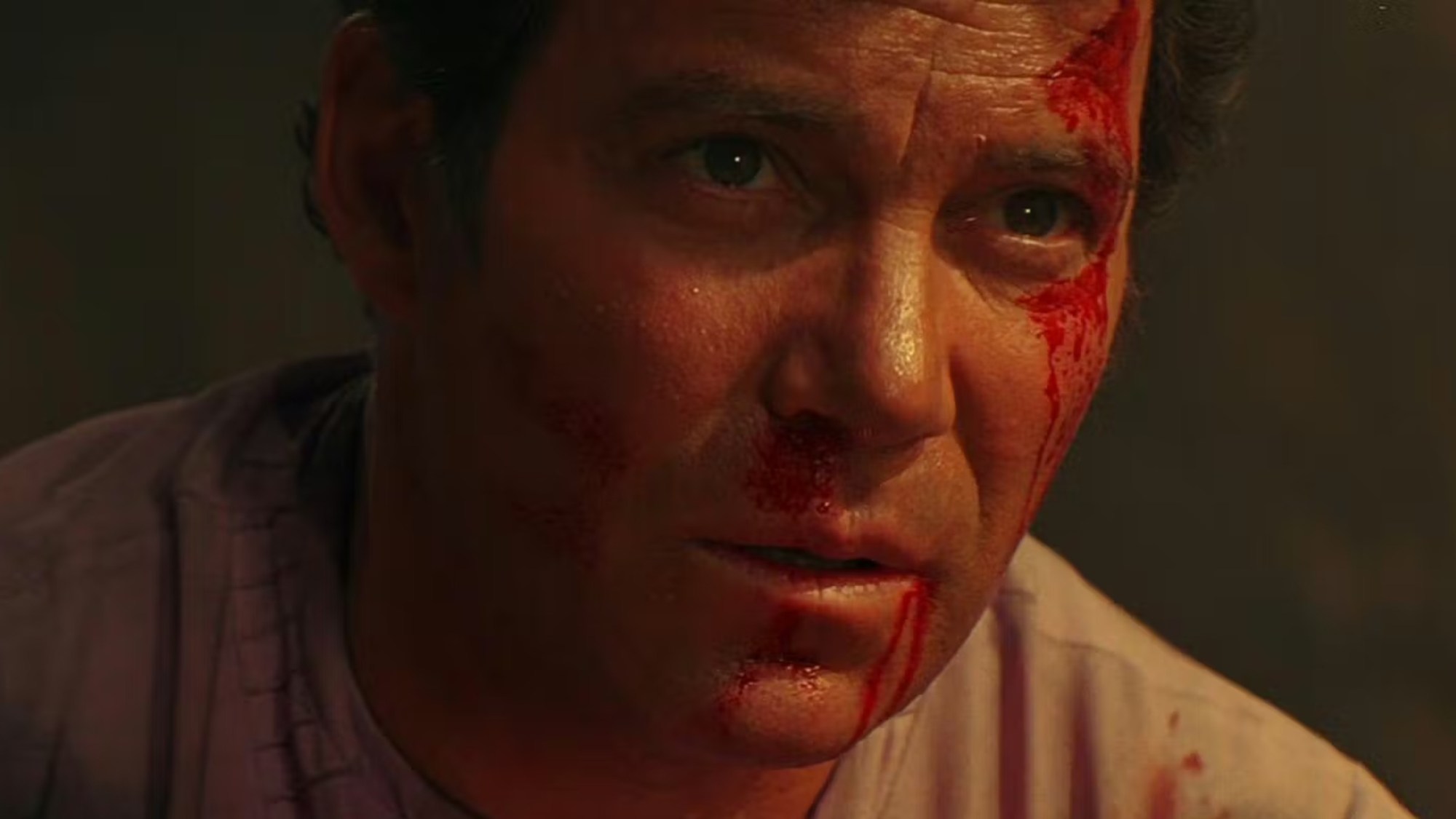
The latest episode of *Star Trek: Starfleet Academy*, titled “Come, Let’s Away,” explores profound themes of loss and parental sacrifice. The story introduces Captain Nahla Ake, who faces an agonizing choice when her son’s ship encounters a catastrophic malfunction. This narrative reimagines the emotional weight of parental loss, drawing parallels to the tragic fate of Captain James T. Kirk’s son, David Marcus, in *Star Trek III: The Search for Spock*.
In *Star Trek III*, Kirk grapples with the violent death of David, who is killed by Klingons while attempting to save his friends. The moment is particularly poignant as it highlights Kirk’s helplessness and the abrupt nature of his loss. Introduced just two years earlier in *Star Trek II: The Wrath of Khan*, David’s sudden death cut short a relationship that had barely begun, leaving Kirk to mourn not only his son but also the father-son bond that never had a chance to flourish.
Kirk’s grief is palpable yet brief; he is robbed of the opportunity to intervene as David is murdered in an instant. The emotional impact primarily stems from the potential relationship lost, evoking the haunting question of what could have been. In contrast, Captain Ake’s story unfolds with a cruelty that lingers far longer.
In the recent episode, Ake receives a distress call from her son, who is aboard a vessel caught in a disastrous singularity drive failure. Unlike Kirk, who could only watch helplessly, Ake faces the harrowing decision to abandon her son in order to protect her own crew. The choice, laden with moral implications, becomes a reflection of her duty as a Starfleet officer, forced to prioritize the many over the few.
The unfolding disaster is not instantaneous; Ake’s son suffers in real time as systems fail and crew members perish. The extended nature of this tragedy amplifies Ake’s anguish, as she is left to witness her son’s plight without the ability to act. The weight of her decision hangs heavily, contrasting sharply with Kirk’s more immediate and visceral loss.
Adding depth to Ake’s narrative is her species’ unique relationship with time. As an immortal Lanthanite, Ake experiences time differently, meaning the trauma of her son’s death remains ever-present. In contrast, Kirk is afforded the opportunity to move on, allowing his grief to evolve. For Ake, the pain of her decision is a burden that will never truly fade.
The episode further complicates Ake’s situation through the character of Nus Braka, a recurring antagonist who exploits her vulnerabilities. Ake’s efforts to save a group of cadets, including a surrogate son named Caleb, lead her to reluctantly partner with Braka. This collaboration, marked by betrayal, results in further casualties among Starfleet personnel, compounding Ake’s guilt and sense of responsibility.
While Kirk’s loss serves as a stark reminder of the vulnerability even heroes face, Ake’s sacrifice transforms loss into a moral dilemma. Her trauma is self-inflicted, rooted in the necessity of her decisions. The narrative suggests that grief can stem not only from external circumstances but also from the burdens of responsibility and choice.
Ultimately, *Starfleet Academy* presents one of the darkest emotional arcs in the franchise’s history. Kirk lost his son in a tragic twist of fate, while Ake sacrificed hers, creating a distinction that profoundly impacts their respective grief journeys. This exploration of loss, duty, and the weight of personal decisions adds a new layer of complexity to the *Star Trek* canon, inviting viewers to reflect on the nature of sacrifice and the enduring scars of grief.

Philadelphia Parks Launch Free Earth Month Events Starting April 1

Bradford’s Fish Fry Fridays Serve Community with Delicious Dinners

Trump Faces Growing Challenges Amid Rising Tensions with Iran

Scientists Probe the Universe’s Missing Topological Defects

Samsung Galaxy Watch 9 to Feature Larger 435mAh Battery

UConn Huskies Aim to Defend Title in 2026 NCAA Women’s Tournament

U.S. Littoral Combat Ships Dock in Malaysia Amid Regional Tensions

Healthy Choice Wellness Reports Quarterly Earnings, Shares Rise

Urgent News: Charles M. Payment Passes Away at 78 in Duluth

University of Hawaiʻi Joins $25.6M AI Project to Enhance Disaster Monitoring

Major Grant Enhances Cancer Care and Research in Hawaiʻi

Joleen Chaney, Beloved Journalist, Passes Leaving Lasting Legacy

San Francisco’s SFO to Welcome 16 Airlines with Nonstop Flights to Europe in 2026

Goldman Sachs Unveils 2026 Catalyst Playbook for Biotech Investors

Discover Top Business Smartphones for Professionals in 2026

Urgent Update: Tom Aspinall’s Vision Deteriorates After UFC 321

Texas Roadhouse Honors Veterans with Free Meal Vouchers

CD Projekt Red Confirms No Release for The Witcher 4 in 2026
-
Science9 months ago
University of Hawaiʻi Joins $25.6M AI Project to Enhance Disaster Monitoring
-
 Health8 months ago
Major Grant Enhances Cancer Care and Research in Hawaiʻi
-
 Top Stories9 months ago
Joleen Chaney, Beloved Journalist, Passes Leaving Lasting Legacy
-
 World7 months ago
San Francisco’s SFO to Welcome 16 Airlines with Nonstop Flights to Europe in 2026
-
 Business8 months ago
Goldman Sachs Unveils 2026 Catalyst Playbook for Biotech Investors
-
 Business7 months ago
Discover Top Business Smartphones for Professionals in 2026
-
 Top Stories9 months ago
Urgent Update: Tom Aspinall’s Vision Deteriorates After UFC 321
-
 Lifestyle9 months ago
Texas Roadhouse Honors Veterans with Free Meal Vouchers
-
 Entertainment8 months ago
CD Projekt Red Confirms No Release for The Witcher 4 in 2026
-

 Top Stories10 months ago
AI Disruption: AWS Faces Threat as Startups Shift Cloud Focus
-

 Health10 months ago
MIT Scientists Uncover Surprising Genomic Loops During Cell Division
-

 Entertainment10 months ago
Discover the Full Map of Pokémon Legends: Z-A’s Lumiose City