
Health
Controversy Erupts Over Jeffrey Epstein’s Tissue Samples at Harvard

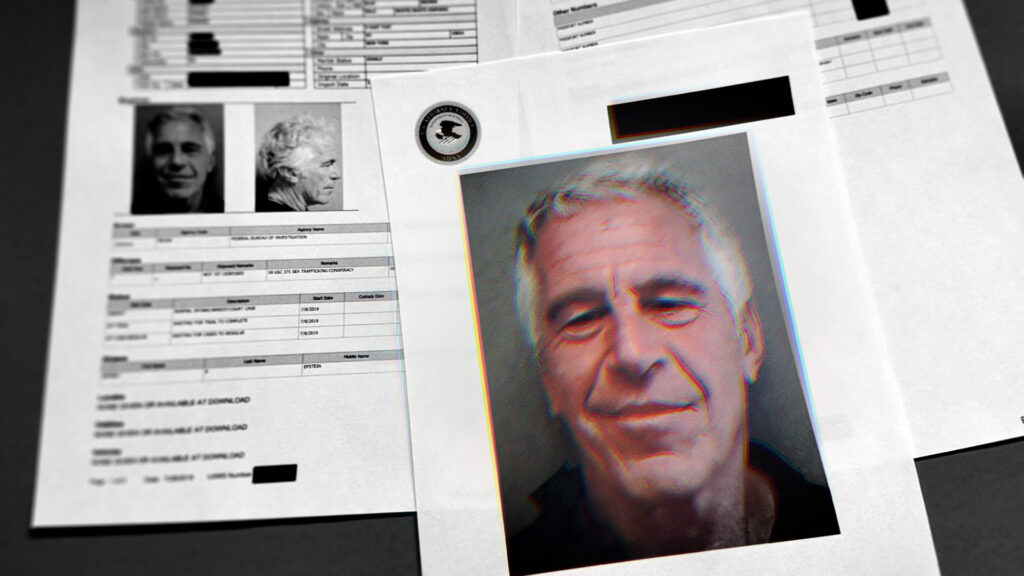
Tissue samples from Jeffrey Epstein ignited significant controversy within the lab of renowned geneticist George Church at Harvard Medical School. The incident, which occurred in the summer of 2013, involved a request to prioritize the sequencing of Epstein’s sample, a move that unsettled the project’s team members.
The samples in question came from the Personal Genome Project (PGP), which collects human blood and saliva for genetic research. Typically, these samples can remain in storage for years until funding permits their sequencing. However, the request to fast-track Epstein’s sample, which had only been stored for a few weeks, raised alarms among the research team, particularly for Mad Ball, the project’s director of research at the time.
Upon investigating the sample’s identifier, Ball discovered it belonged to Epstein, a man infamous for numerous allegations of sexual assault against minors. Florida prosecutors had controversially opted to reduce multiple charges against Epstein to a single solicitation of prostitution charge. Recognizing the implications, Ball described the experience as shocking and unsettling, stating, “It looked like a quid pro quo sort of thing… But this was a rich, bad person, and it looked awful.”
The connections between Church and Epstein had been known for years, yet the internal turmoil caused by Epstein’s involvement in the PGP had not been publicly disclosed until now. Interviews with lab members and emails obtained by STAT reveal a vigorous internal discussion that ultimately halted any preferential treatment for Epstein’s sample.
Despite this resolution, evidence suggests that Church was aware of more details regarding Epstein’s background and legal troubles than he has previously made known. This insight is particularly significant given recent disclosures from the Department of Justice, indicating that Church received funding from Epstein or associates shortly after the incident.
The implications of this controversy extend beyond the laboratory, highlighting the ethical dilemmas faced in scientific research, especially when intertwined with controversial figures. As the academic community continues to grapple with the ramifications of Epstein’s legacy, the incident serves as a reminder of the complexities involved in balancing scientific inquiry with moral considerations.

Philadelphia Parks Launch Free Earth Month Events Starting April 1

Bradford’s Fish Fry Fridays Serve Community with Delicious Dinners

Trump Faces Growing Challenges Amid Rising Tensions with Iran

Scientists Probe the Universe’s Missing Topological Defects

Samsung Galaxy Watch 9 to Feature Larger 435mAh Battery

UConn Huskies Aim to Defend Title in 2026 NCAA Women’s Tournament

U.S. Littoral Combat Ships Dock in Malaysia Amid Regional Tensions

Healthy Choice Wellness Reports Quarterly Earnings, Shares Rise

Urgent News: Charles M. Payment Passes Away at 78 in Duluth

University of Hawaiʻi Joins $25.6M AI Project to Enhance Disaster Monitoring

Major Grant Enhances Cancer Care and Research in Hawaiʻi

Joleen Chaney, Beloved Journalist, Passes Leaving Lasting Legacy

San Francisco’s SFO to Welcome 16 Airlines with Nonstop Flights to Europe in 2026

Goldman Sachs Unveils 2026 Catalyst Playbook for Biotech Investors

Discover Top Business Smartphones for Professionals in 2026

Urgent Update: Tom Aspinall’s Vision Deteriorates After UFC 321

Texas Roadhouse Honors Veterans with Free Meal Vouchers

CD Projekt Red Confirms No Release for The Witcher 4 in 2026
-
Science9 months ago
University of Hawaiʻi Joins $25.6M AI Project to Enhance Disaster Monitoring
-
 Health8 months ago
Major Grant Enhances Cancer Care and Research in Hawaiʻi
-
 Top Stories9 months ago
Joleen Chaney, Beloved Journalist, Passes Leaving Lasting Legacy
-
 World7 months ago
San Francisco’s SFO to Welcome 16 Airlines with Nonstop Flights to Europe in 2026
-
 Business8 months ago
Goldman Sachs Unveils 2026 Catalyst Playbook for Biotech Investors
-
 Business7 months ago
Discover Top Business Smartphones for Professionals in 2026
-
 Top Stories9 months ago
Urgent Update: Tom Aspinall’s Vision Deteriorates After UFC 321
-
 Lifestyle9 months ago
Texas Roadhouse Honors Veterans with Free Meal Vouchers
-
 Entertainment8 months ago
CD Projekt Red Confirms No Release for The Witcher 4 in 2026
-

 Top Stories10 months ago
AI Disruption: AWS Faces Threat as Startups Shift Cloud Focus
-

 Health10 months ago
MIT Scientists Uncover Surprising Genomic Loops During Cell Division
-

 Entertainment10 months ago
Discover the Full Map of Pokémon Legends: Z-A’s Lumiose City