
Health
GOP Lets ACA Subsidies Expire, Millions Face Rising Healthcare Costs

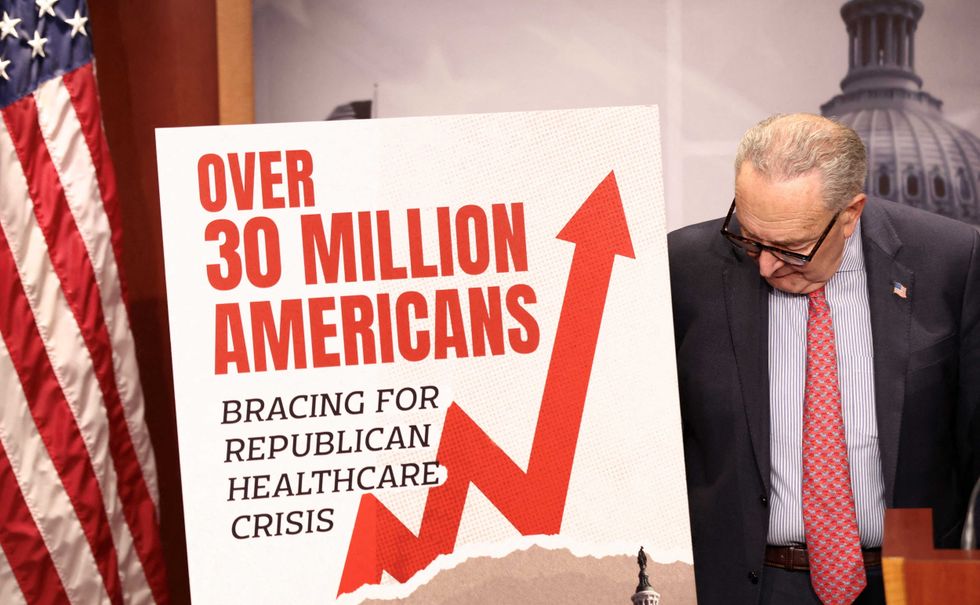
Millions of Americans are set to face significant health insurance premium increases as subsidies under the Affordable Care Act (ACA) expire at midnight on January 1, 2026. Critics, including congressional Democrats, have condemned Republican lawmakers for allowing these tax credits to lapse, leading to what they describe as a national healthcare crisis.
Leslie Dach, chair of Protect Our Care, stated, “When the clock strikes midnight, the fallout of the GOP’s premium hikes will ripple throughout the nation.” He emphasized that the expiring subsidies could plunge hardworking Americans into crippling medical debt, forcing them to deplete their savings just to access basic healthcare services. Dach warned that “untold tens of thousands will die from preventable causes” due to the lack of necessary coverage.
The failure of the Republican party to extend ACA subsidies was part of their broader legislative effort, termed the One Big Beautiful Bill Act (OBBBA). This act is projected to cut approximately $1 trillion in Medicaid spending over the next decade, potentially leading to the closure of health clinics while simultaneously providing tax breaks to the wealthiest Americans. Senate Minority Leader Chuck Schumer (D-NY) criticized the Republicans, asserting that the impending healthcare crisis was entirely preventable and the result of “Republican obstruction and total inaction.”
Approximately 22 million people who currently receive ACA subsidies will experience higher premiums in the coming year. Projections indicate that nearly 5 million could become uninsured if the tax credits are not reinstated. This comes in addition to an estimated 10 million individuals expected to lose Medicaid coverage over the next decade due to the OBBBA, which was signed into law by former President Donald Trump earlier this summer.
Personal stories illustrate the potential impact of these changes. In St. John, Indiana, Eleanor Walsh and her husband, both self-employed, faced a dramatic increase in their health insurance costs—from approximately $9,100 this year to an estimated $23,400 in 2026. To manage expenses, they are considering a plan with a $10,130 deductible for each family member. Walsh expressed concern about their financial strain, stating, “It’s going to be a rough year.”
In Alta, Wyoming, Stacy Newton and her husband, who also run small businesses, are grappling with similar challenges. Newton, diagnosed with chronic leukemia, reported that the most affordable insurance option for her family next year would require a monthly premium of $3,573, totaling nearly $43,000 annually, alongside a deductible of $21,200. She shared her fears about the financial burden, saying, “We’re not rich, we’re not poor. We’re a standard, middle-class family, and somehow now I can’t afford health insurance.”
As Americans approach the open enrollment period, which ends in mid-January, uncertainty looms over the reinstatement of subsidies. Schumer reiterated that Democrats are actively seeking solutions in Washington, D.C. He stated, “Senate Republicans had multiple chances to work with Democrats to stop premiums from skyrocketing—and every time, they blocked action.”
Despite the Republican majority’s resistance, four GOP members in the House of Representatives have signed a discharge petition to force a January vote on extending the ACA credits for three years. Reports indicate that a bipartisan group of senators is exploring potential compromises, although Senate Majority Leader John Thune (R-SD) has dismissed the Democrats’ proposal as a “waste of money.”
Advocates for universal healthcare continue to push for reforms. Sen. Chris Van Hollen (D-Md.) has highlighted the need for Medicare for All, arguing that “everyone in America—no matter what their ZIP code is—should have access to the quality healthcare they need.” In a similar vein, Sen. Bernie Sanders (I-Vt.) emphasized the need for universal healthcare to alleviate the burdens tied to employment-based insurance.
While legislative efforts at the federal level remain stalled, several states are taking action to mitigate the impact of rising health insurance costs. States such as California, Colorado, Connecticut, Maryland, and New Mexico are exploring options to protect their residents from the fallout of the ACA subsidies’ expiration. The speaker of the New Mexico House of Representatives, Javier Martínez (D-11), remarked, “We can carry the cost for a little bit, but at some point, we will need Congress to act.”
As the nation transitions into 2026, the repercussions of the ACA subsidies expiring are expected to resonate across the healthcare landscape, affecting millions of Americans’ access to essential services. The ongoing debate in Washington, coupled with state-level initiatives, will shape the future of healthcare in the United States in the coming months.

Philadelphia Parks Launch Free Earth Month Events Starting April 1

Bradford’s Fish Fry Fridays Serve Community with Delicious Dinners

Trump Faces Growing Challenges Amid Rising Tensions with Iran

Scientists Probe the Universe’s Missing Topological Defects

Samsung Galaxy Watch 9 to Feature Larger 435mAh Battery

UConn Huskies Aim to Defend Title in 2026 NCAA Women’s Tournament

U.S. Littoral Combat Ships Dock in Malaysia Amid Regional Tensions

Healthy Choice Wellness Reports Quarterly Earnings, Shares Rise

Urgent News: Charles M. Payment Passes Away at 78 in Duluth

University of Hawaiʻi Joins $25.6M AI Project to Enhance Disaster Monitoring

Major Grant Enhances Cancer Care and Research in Hawaiʻi

Joleen Chaney, Beloved Journalist, Passes Leaving Lasting Legacy

San Francisco’s SFO to Welcome 16 Airlines with Nonstop Flights to Europe in 2026

Goldman Sachs Unveils 2026 Catalyst Playbook for Biotech Investors

Discover Top Business Smartphones for Professionals in 2026

Urgent Update: Tom Aspinall’s Vision Deteriorates After UFC 321

Texas Roadhouse Honors Veterans with Free Meal Vouchers

CD Projekt Red Confirms No Release for The Witcher 4 in 2026
-
Science9 months ago
University of Hawaiʻi Joins $25.6M AI Project to Enhance Disaster Monitoring
-
 Health8 months ago
Major Grant Enhances Cancer Care and Research in Hawaiʻi
-
 Top Stories9 months ago
Joleen Chaney, Beloved Journalist, Passes Leaving Lasting Legacy
-
 World7 months ago
San Francisco’s SFO to Welcome 16 Airlines with Nonstop Flights to Europe in 2026
-
 Business8 months ago
Goldman Sachs Unveils 2026 Catalyst Playbook for Biotech Investors
-
 Business8 months ago
Discover Top Business Smartphones for Professionals in 2026
-
 Top Stories10 months ago
Urgent Update: Tom Aspinall’s Vision Deteriorates After UFC 321
-
 Lifestyle9 months ago
Texas Roadhouse Honors Veterans with Free Meal Vouchers
-
 Entertainment8 months ago
CD Projekt Red Confirms No Release for The Witcher 4 in 2026
-

 Top Stories10 months ago
AI Disruption: AWS Faces Threat as Startups Shift Cloud Focus
-

 Health10 months ago
MIT Scientists Uncover Surprising Genomic Loops During Cell Division
-

 Entertainment10 months ago
Discover the Full Map of Pokémon Legends: Z-A’s Lumiose City