
Health
Kennedy Proposes Vaccine Overhaul, Raising Concerns for Industry

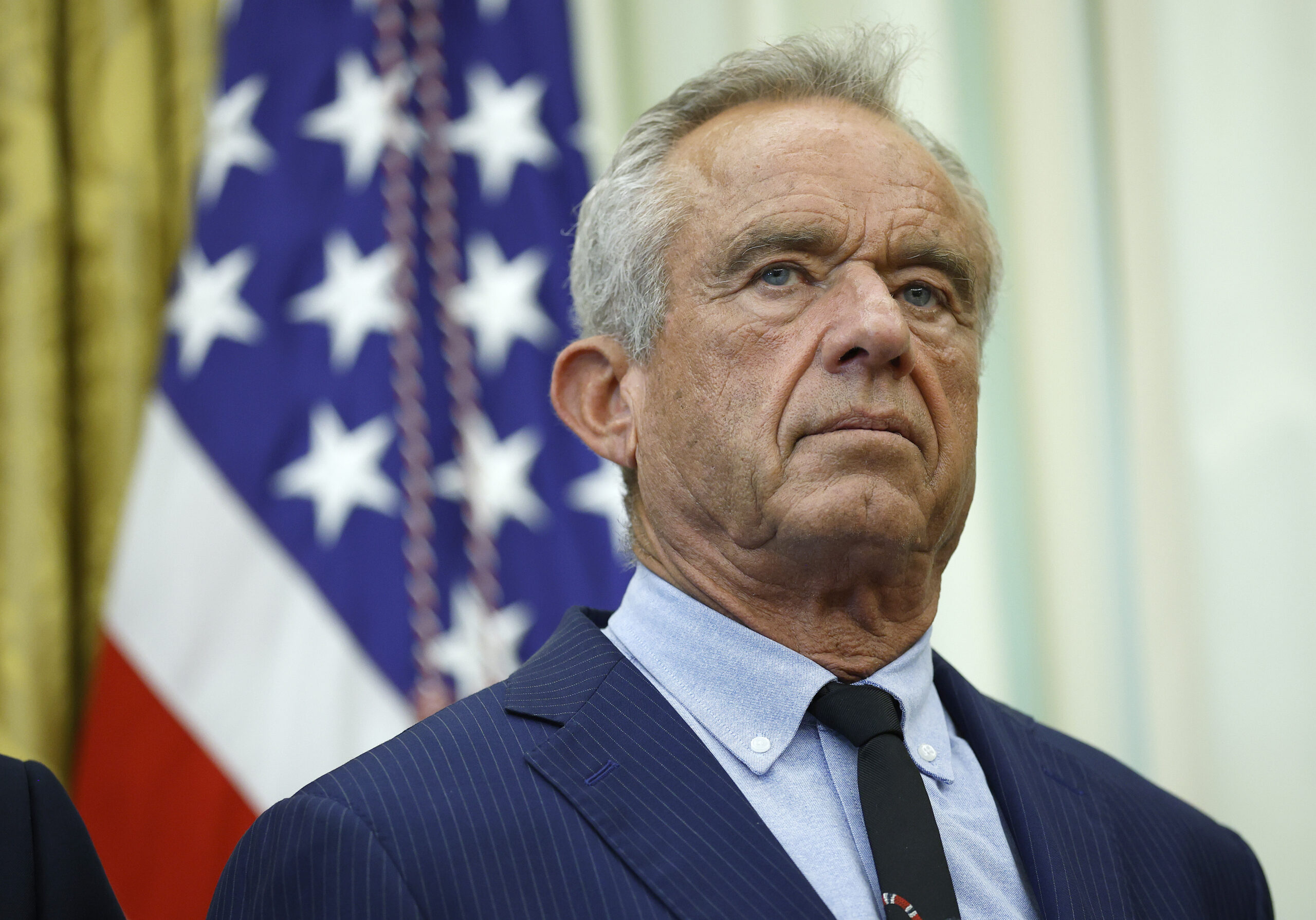
The proposed overhaul of childhood vaccines by Robert F. Kennedy Jr. is stirring significant debate in the United States. This initiative aims to modify the current vaccine schedule, potentially simplifying the legal process for individuals claiming vaccine-related injuries. If enacted, these changes could have profound implications for vaccine manufacturers and public health.
Kennedy’s plan includes downgrading certain vaccines, which might give those alleging injury from vaccines a more straightforward path to litigation. Currently, the Vaccine Injury Compensation Program (VICP) provides a no-fault system for compensation, protecting manufacturers from extensive lawsuits. The new proposal could undermine this protective framework, thus increasing manufacturers’ liabilities and possibly driving them out of the market.
Concerns are rising from public health experts and advocates who argue that these changes could lead to decreased vaccination rates, subsequently risking herd immunity. The Centers for Disease Control and Prevention (CDC) has consistently highlighted the importance of maintaining high vaccination coverage to prevent outbreaks of diseases like measles and whooping cough.
Kennedy’s initiative is set against a backdrop of growing skepticism regarding vaccine safety. While the majority of studies affirm vaccine efficacy and safety, the vocal minority claiming injuries continues to influence public perception. This sentiment has gained traction, particularly during the COVID-19 pandemic, where vaccine hesitancy became a notable issue.
The proposal is expected to face rigorous scrutiny in Congress. Lawmakers will likely weigh the potential economic impacts on vaccine manufacturers against the rights of individuals claiming harm. As discussions unfold, the debate may center on balancing public health priorities with individual rights.
Should the proposal advance, it may lead to a shift in how vaccines are perceived within society. The outcome could set a precedent, influencing not just vaccine policy but also broader health initiatives.
The timeline for the legislative process remains uncertain, with a potential vote in Congress anticipated by July 3, 2024. As stakeholders from various sectors prepare for the implications of this overhaul, the health community is bracing for the outcome of a decision that could reshape the landscape of childhood vaccinations in the United States.

Philadelphia Parks Launch Free Earth Month Events Starting April 1

Bradford’s Fish Fry Fridays Serve Community with Delicious Dinners

Trump Faces Growing Challenges Amid Rising Tensions with Iran

Scientists Probe the Universe’s Missing Topological Defects

Samsung Galaxy Watch 9 to Feature Larger 435mAh Battery

UConn Huskies Aim to Defend Title in 2026 NCAA Women’s Tournament

U.S. Littoral Combat Ships Dock in Malaysia Amid Regional Tensions

Healthy Choice Wellness Reports Quarterly Earnings, Shares Rise

Urgent News: Charles M. Payment Passes Away at 78 in Duluth

University of Hawaiʻi Joins $25.6M AI Project to Enhance Disaster Monitoring

Major Grant Enhances Cancer Care and Research in Hawaiʻi

Joleen Chaney, Beloved Journalist, Passes Leaving Lasting Legacy

San Francisco’s SFO to Welcome 16 Airlines with Nonstop Flights to Europe in 2026

Goldman Sachs Unveils 2026 Catalyst Playbook for Biotech Investors

Discover Top Business Smartphones for Professionals in 2026

Urgent Update: Tom Aspinall’s Vision Deteriorates After UFC 321

Texas Roadhouse Honors Veterans with Free Meal Vouchers

CD Projekt Red Confirms No Release for The Witcher 4 in 2026
-
Science9 months ago
University of Hawaiʻi Joins $25.6M AI Project to Enhance Disaster Monitoring
-
 Health8 months ago
Major Grant Enhances Cancer Care and Research in Hawaiʻi
-
 Top Stories9 months ago
Joleen Chaney, Beloved Journalist, Passes Leaving Lasting Legacy
-
 World7 months ago
San Francisco’s SFO to Welcome 16 Airlines with Nonstop Flights to Europe in 2026
-
 Business8 months ago
Goldman Sachs Unveils 2026 Catalyst Playbook for Biotech Investors
-
 Business8 months ago
Discover Top Business Smartphones for Professionals in 2026
-
 Top Stories10 months ago
Urgent Update: Tom Aspinall’s Vision Deteriorates After UFC 321
-
 Lifestyle9 months ago
Texas Roadhouse Honors Veterans with Free Meal Vouchers
-
 Entertainment8 months ago
CD Projekt Red Confirms No Release for The Witcher 4 in 2026
-

 Top Stories10 months ago
AI Disruption: AWS Faces Threat as Startups Shift Cloud Focus
-

 Health10 months ago
MIT Scientists Uncover Surprising Genomic Loops During Cell Division
-

 Entertainment10 months ago
Discover the Full Map of Pokémon Legends: Z-A’s Lumiose City