
Health
Marathon Training Insights: Key Garmin Stats to Track and Ignore

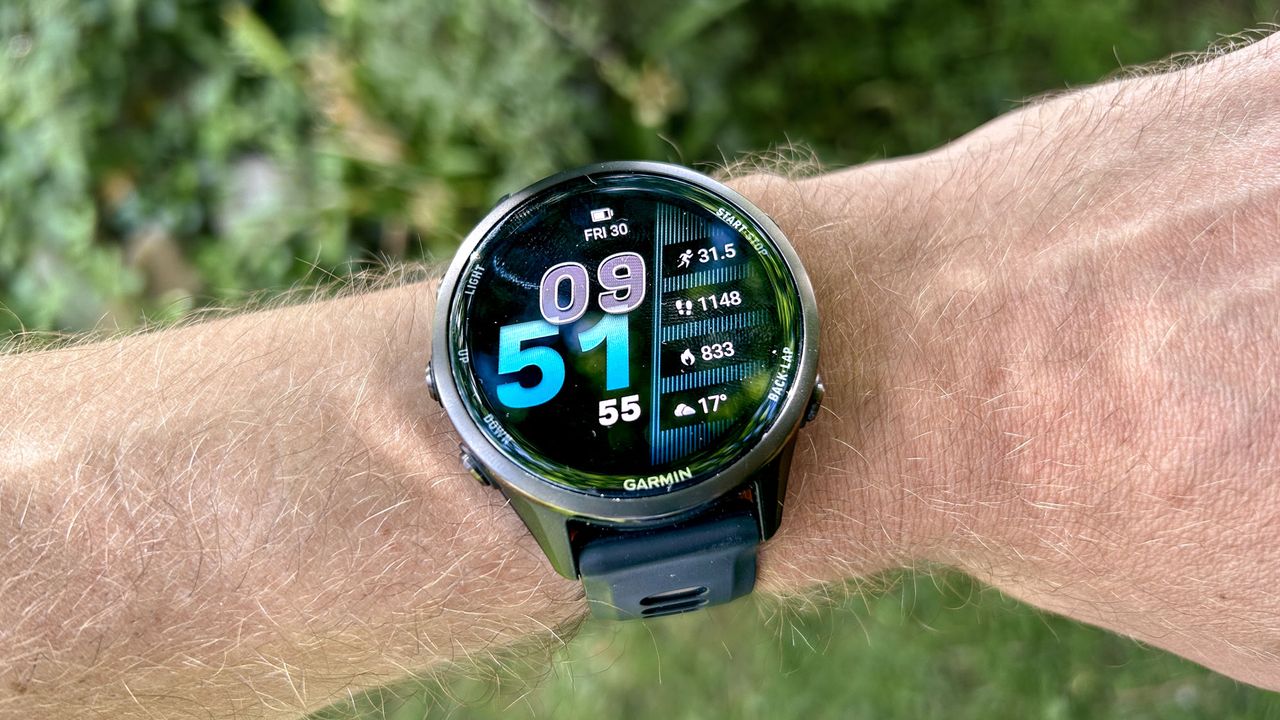
Marathon training can be both exhilarating and challenging, with runners often relying on technology to enhance their performance. For those using Garmin watches, the plethora of statistics available can be overwhelming. After using Garmin devices for over a decade and completing 15 marathons, I have identified five critical stats that guide my training while disregarding three others that provide little value.
Essential Stats for Effective Marathon Training
When training for the upcoming London Marathon with my Garmin Forerunner 970, I focus on specific metrics that contribute meaningfully to my preparation. The key to maximizing the benefits of these statistics lies in ensuring that the data gathered is accurate, which is why I opt for an external heart rate monitor, typically a chest strap. While the Forerunner 970’s built-in heart rate sensor is reliable, using a chest strap provides added security for the data I rely on during training.
1. Training Load is a crucial metric that tracks both acute and chronic training volumes. The acute training load measures the volume of running over the past week, while the chronic load offers a longer-term perspective. It is essential to maintain a balanced ratio to avoid injuries. Currently, my training load ratio is at 1.1, indicating that my short-term training is slightly higher than my chronic load, allowing me to build fitness sustainably.
2. Running Tolerance complements the training load metric by considering the intensity of runs. This statistic assesses the distance covered in the past week, factoring in the intensity and impact of harder runs. Recently, I logged 74.8 miles, which Garmin adjusts to 91.8 miles due to the increased difficulty of certain workouts. My current running tolerance is rated at 103 miles per week, guiding my training to minimize injury risks.
3. Heart Rate Variability (HRV) provides insights into recovery. Each morning, I review my HRV data to ensure it falls within normal parameters. A deviation could indicate insufficient recovery, illness, or stress. While I do not solely depend on this reading, monitoring HRV during intensive training can highlight potential issues, prompting necessary adjustments to my training routine.
4. VO2 Max is another valuable indicator of cardiovascular fitness that I monitor intermittently. Throughout various training blocks, I have observed a steady increase in my VO2 max, which reflects the effectiveness of my training regimen. Checking this statistic every few weeks allows me to gauge my fitness progression.
5. Active Calories are particularly important during high-mileage training. While I do not focus heavily on my weight, I monitor the active calories burned daily to ensure adequate nutrition. This stat helps me avoid negative energy balance, especially on long run days when proper fueling is crucial.
Statistics That Are Not Worth Tracking
Despite the numerous metrics available, there are some that I choose to ignore during my marathon preparation.
1. Predicted Race Times generated by the Garmin watch can create unnecessary pressure. These estimates for various race distances, including marathons, often lack accuracy. Currently, my watch predicts a marathon time of 2:34:37, which is about nine minutes slower than my personal record. My experience shows that I have consistently outperformed Garmin’s predictions by several minutes, making this stat unreliable for setting race targets.
2. Running Economy is another statistic that I find less useful. Although it is available on the Forerunner 970 when paired with a Garmin HRM 600 chest strap, it is a marginal gain that is difficult to measure without personal coaching. The variations in individual running styles mean that focusing on overall fitness and mileage is a more effective approach than obsessing over running economy metrics.
3. Sleep Score is a statistic I choose to disregard. While sleep is essential for recovery, I have observed that Garmin’s assessments often overestimate my sleep duration. I prefer to rely on my own understanding of my rest rather than a potentially misleading score from the watch.
The insights gathered from my Garmin watch enhance my marathon training experience, allowing me to focus on the most impactful statistics. By concentrating on metrics like training load, running tolerance, and heart rate variability, I can optimize my training while avoiding distractions from less reliable data points.
As marathon training continues, I invite fellow runners to reflect on the stats that guide their own training journeys. Which metrics do you prioritize, and which do you find less helpful?

Philadelphia Parks Launch Free Earth Month Events Starting April 1

Bradford’s Fish Fry Fridays Serve Community with Delicious Dinners

Trump Faces Growing Challenges Amid Rising Tensions with Iran

Scientists Probe the Universe’s Missing Topological Defects

Samsung Galaxy Watch 9 to Feature Larger 435mAh Battery

UConn Huskies Aim to Defend Title in 2026 NCAA Women’s Tournament

U.S. Littoral Combat Ships Dock in Malaysia Amid Regional Tensions

Healthy Choice Wellness Reports Quarterly Earnings, Shares Rise

Urgent News: Charles M. Payment Passes Away at 78 in Duluth

University of Hawaiʻi Joins $25.6M AI Project to Enhance Disaster Monitoring

Major Grant Enhances Cancer Care and Research in Hawaiʻi

Joleen Chaney, Beloved Journalist, Passes Leaving Lasting Legacy

San Francisco’s SFO to Welcome 16 Airlines with Nonstop Flights to Europe in 2026

Goldman Sachs Unveils 2026 Catalyst Playbook for Biotech Investors

Discover Top Business Smartphones for Professionals in 2026

Urgent Update: Tom Aspinall’s Vision Deteriorates After UFC 321

Texas Roadhouse Honors Veterans with Free Meal Vouchers

CD Projekt Red Confirms No Release for The Witcher 4 in 2026
-
Science9 months ago
University of Hawaiʻi Joins $25.6M AI Project to Enhance Disaster Monitoring
-
 Health8 months ago
Major Grant Enhances Cancer Care and Research in Hawaiʻi
-
 Top Stories9 months ago
Joleen Chaney, Beloved Journalist, Passes Leaving Lasting Legacy
-
 World7 months ago
San Francisco’s SFO to Welcome 16 Airlines with Nonstop Flights to Europe in 2026
-
 Business8 months ago
Goldman Sachs Unveils 2026 Catalyst Playbook for Biotech Investors
-
 Business7 months ago
Discover Top Business Smartphones for Professionals in 2026
-
 Top Stories9 months ago
Urgent Update: Tom Aspinall’s Vision Deteriorates After UFC 321
-
 Lifestyle9 months ago
Texas Roadhouse Honors Veterans with Free Meal Vouchers
-
 Entertainment8 months ago
CD Projekt Red Confirms No Release for The Witcher 4 in 2026
-

 Top Stories10 months ago
AI Disruption: AWS Faces Threat as Startups Shift Cloud Focus
-

 Health10 months ago
MIT Scientists Uncover Surprising Genomic Loops During Cell Division
-

 Entertainment10 months ago
Discover the Full Map of Pokémon Legends: Z-A’s Lumiose City