
Health
Scientists Identify Mechanism Behind Statin-Related Muscle Pain

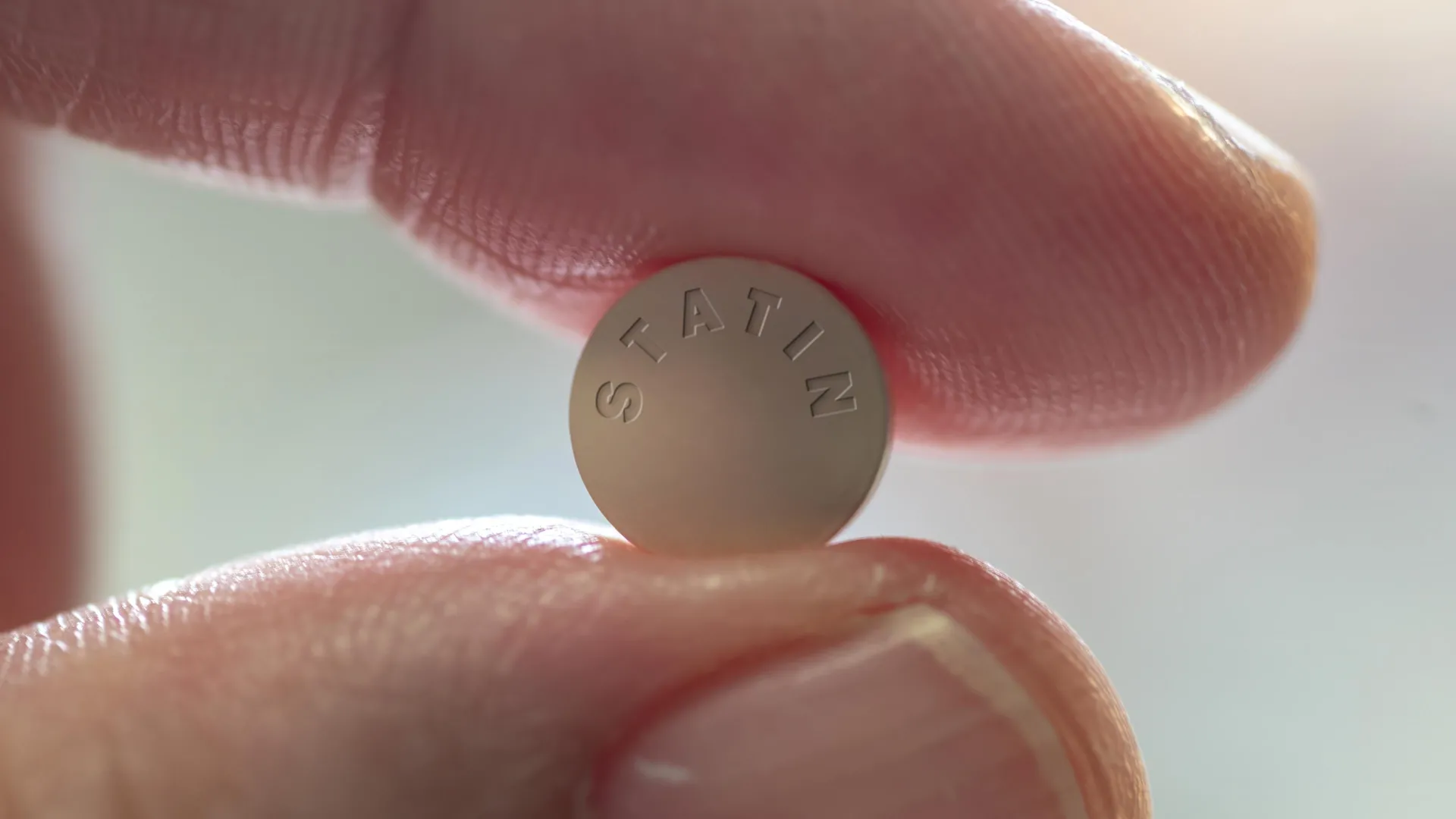
Research from Columbia University Irving Medical Center has unveiled a potential explanation for the muscle pain experienced by many individuals taking statins, medications widely prescribed to lower cholesterol levels. The study, published on December 15, 2025, in the Journal of Clinical Investigation, highlights how certain statins can interact with muscle cells, leading to harmful calcium leaks that may cause pain and weakness.
Many patients discontinue statin therapy due to adverse effects, with muscle-related symptoms being a primary concern. Approximately 40 million adults in the United States rely on statins, yet an estimated 10 percent report experiencing muscle discomfort. This new research sheds light on a long-standing issue that has puzzled scientists since statins first became available in the late 1980s.
Understanding the Mechanism
The research team, led by Andrew Marks, chair of the Department of Physiology and Cellular Biophysics at the Vagelos College of Physicians and Surgeons, utilized advanced imaging techniques such as cryo-electron microscopy. This method allowed them to observe how simvastatin, a commonly prescribed statin, binds to the ryanodine receptor, a key protein in muscle cells.
The binding of simvastatin to the ryanodine receptor opens a channel that causes calcium to leak into muscle cells. Marks explains that this unregulated calcium flow can weaken muscle fibers directly or activate enzymes that progressively degrade muscle tissue. The findings suggest that even if this mechanism does not apply to every patient, it could potentially help a significant number of individuals suffering from statin-related muscle pain.
Implications for Future Treatments
The discovery opens avenues for developing statins that retain their cholesterol-lowering efficacy while minimizing muscle-related side effects. Marks is collaborating with chemists to redesign statins, aiming to prevent them from binding to the ryanodine receptor in muscle cells.
Another promising strategy involves addressing the calcium leak itself. In preliminary studies with mice, an experimental drug developed in Marks’ laboratory successfully closed the calcium leak associated with statin use. According to Marks, if this drug proves effective for patients with rare muscle diseases, it could also be tested for those experiencing myopathies induced by statins.
The research not only aims to improve the experience of patients on statins but also addresses a significant public health concern. As Marks highlights, “It’s the most common reason patients quit statins, and it’s a very real problem that needs a solution.”
Funding for this research was provided by various grants from the National Institutes of Health, underscoring its scientific credibility. Marks, who holds shares in RyCarma Therapeutics Inc., is also a co-inventor on patents related to treatments targeting the ryanodine receptor.
As this important research progresses, it may pave the way for safer cholesterol management options, potentially allowing millions to benefit from statin therapy without the burden of debilitating side effects.

Philadelphia Parks Launch Free Earth Month Events Starting April 1

Bradford’s Fish Fry Fridays Serve Community with Delicious Dinners

Trump Faces Growing Challenges Amid Rising Tensions with Iran

Scientists Probe the Universe’s Missing Topological Defects

Samsung Galaxy Watch 9 to Feature Larger 435mAh Battery

UConn Huskies Aim to Defend Title in 2026 NCAA Women’s Tournament

U.S. Littoral Combat Ships Dock in Malaysia Amid Regional Tensions

Healthy Choice Wellness Reports Quarterly Earnings, Shares Rise

Urgent News: Charles M. Payment Passes Away at 78 in Duluth

University of Hawaiʻi Joins $25.6M AI Project to Enhance Disaster Monitoring

Major Grant Enhances Cancer Care and Research in Hawaiʻi

Joleen Chaney, Beloved Journalist, Passes Leaving Lasting Legacy

San Francisco’s SFO to Welcome 16 Airlines with Nonstop Flights to Europe in 2026

Goldman Sachs Unveils 2026 Catalyst Playbook for Biotech Investors

Discover Top Business Smartphones for Professionals in 2026

Urgent Update: Tom Aspinall’s Vision Deteriorates After UFC 321

Texas Roadhouse Honors Veterans with Free Meal Vouchers

CD Projekt Red Confirms No Release for The Witcher 4 in 2026
-
Science9 months ago
University of Hawaiʻi Joins $25.6M AI Project to Enhance Disaster Monitoring
-
 Health8 months ago
Major Grant Enhances Cancer Care and Research in Hawaiʻi
-
 Top Stories9 months ago
Joleen Chaney, Beloved Journalist, Passes Leaving Lasting Legacy
-
 World7 months ago
San Francisco’s SFO to Welcome 16 Airlines with Nonstop Flights to Europe in 2026
-
 Business8 months ago
Goldman Sachs Unveils 2026 Catalyst Playbook for Biotech Investors
-
 Business8 months ago
Discover Top Business Smartphones for Professionals in 2026
-
 Top Stories9 months ago
Urgent Update: Tom Aspinall’s Vision Deteriorates After UFC 321
-
 Lifestyle9 months ago
Texas Roadhouse Honors Veterans with Free Meal Vouchers
-
 Entertainment8 months ago
CD Projekt Red Confirms No Release for The Witcher 4 in 2026
-

 Top Stories10 months ago
AI Disruption: AWS Faces Threat as Startups Shift Cloud Focus
-

 Health10 months ago
MIT Scientists Uncover Surprising Genomic Loops During Cell Division
-

 Entertainment10 months ago
Discover the Full Map of Pokémon Legends: Z-A’s Lumiose City