
Politics
Global Leaders Unite to Launch School Meals Accelerator for 100M Kids

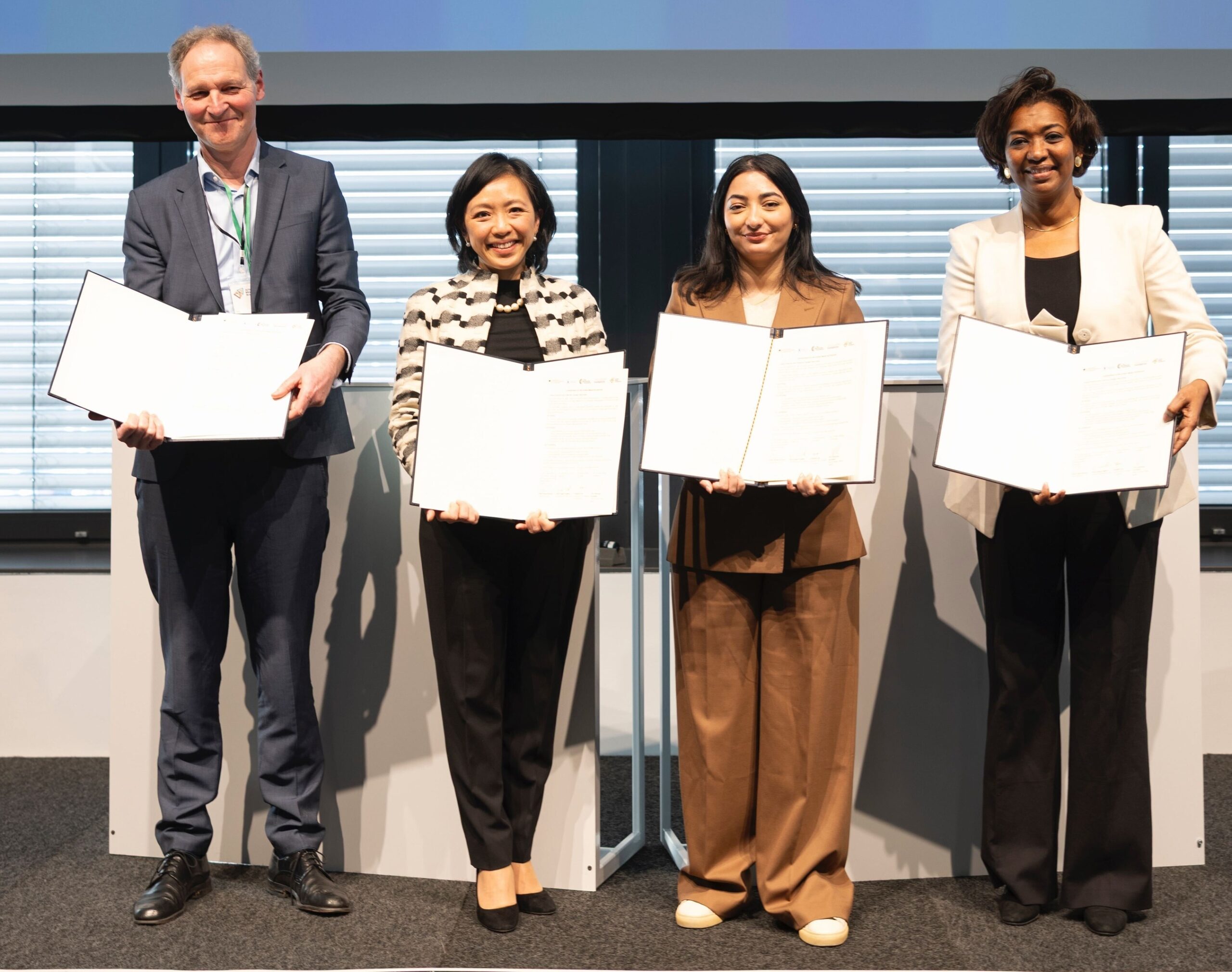
A significant international initiative, the School Meals Accelerator, has been launched by Germany’s Federal Ministry for Economic Cooperation and Development (BMZ), the Novo Nordisk Foundation, the Rockefeller Foundation, and the World Food Programme (WFP). This ambitious project aims to provide school meals to an additional 100 million children by the year 2030, addressing hunger and enhancing food security across Africa, Asia, and Latin America.
The Accelerator is starting with an investment exceeding US$80 million from the founding partners, bolstered by support from France and the Global Partnership for Education. It seeks to connect participating countries with essential technical assistance to strengthen and expand national school meal programs. By leveraging their combined resources, the partners aim to maximize the impact of these programs in combating poverty and nurturing food and nutrition security globally.
Innovative Approach to School Meal Programs
Unveiled during the Global Forum for Food and Agriculture in Berlin, the School Meals Accelerator reflects Germany’s dedication to innovative development cooperation. The initiative promotes a new model that aligns with the increasing demand from governments for home-grown school meals that are integrated into wider food system strategies. This approach aims to foster equity and resilience among vulnerable populations.
Reem Alabali Radovan, Federal Minister for Economic Cooperation and Development, emphasized the transformative power of school meals, stating, “They are a significant factor in our global fight for better education, empowerment, health, and a brighter future.” She reiterated Germany’s strong support for the initiative, which melds innovation with partnership to tackle hunger and poverty.
In parallel, Rania Dagash-Kamara, Assistant Executive Director of Partnerships and Innovation at WFP, highlighted that the Accelerator aligns with the ongoing transformation of school meal programs, helping countries turn their commitments into sustainable systems that benefit children and communities alike.
Addressing Global Needs Through Collaboration
Professor Mads Krogsgaard Thomsen, CEO of the Novo Nordisk Foundation, pointed out the importance of healthy childhood diets, which serve as a foundation for lifelong health. The Accelerator aims to assist countries in designing programs that not only improve nutrition but also help prevent chronic diseases.
According to Elizabeth Yee, Executive Vice President of Programs at The Rockefeller Foundation, school meals represent one of the most impactful yet underutilized investments in development. The Accelerator is designed to help countries unlock the potential of their national school feeding programs, translating political commitment into sustainable systems that nourish children, support farmers, and bolster food security. The Rockefeller Foundation is contributing to this effort as part of its $100 million commitment to promoting regenerative school meals.
Since 2020, funding for school meals globally has nearly doubled from $43 billion to $84 billion annually, with 99 percent sourced from domestic budgets. Currently, approximately 466 million children benefit from school meals, an increase of 80 million since four years ago. Despite this progress, challenges remain in integrating school meals into national systems and securing long-term financing.
The School Meals Accelerator was established from the School Meals Coalition, which includes over 110 governments and more than 150 non-profit, philanthropic, and research partners. This coalition, hosted by WFP, aims to prioritize school meals as a strategic investment. So far, 60 countries have made national commitments with specific targets.
The Accelerator’s collaborative framework involves its founding partners and the co-chairs of the School Meals Coalition—France, Finland, and Brazil—along with contributions from various organizations and networks, including the Global Alliance Against Hunger and Poverty and the International Development Research Centre.
The initiative will empower governments to fully realize their national school feeding programs, with the goal of providing more nutritious meals to an additional 100 million children by 2030. Key strategies include:
– Integrating school meal programs into broader national strategies to promote systemic change.
– Pooling expertise, resources, and innovations to enhance collaboration across sectors and improve implementation efforts.
– Delivering demand-driven support that reflects the specific needs and contexts of individual countries.
These programs not only serve as a reliable route out of poverty but also improve educational quality and cognitive skills. By increasing school participation and learning outcomes, school meal programs contribute to future productivity and economic growth. Furthermore, they bolster local economies by sourcing food sustainably, thereby enhancing food systems and promoting climate resilience.
For more information on the opportunities provided by school meals programs, visit the School Meals Coalition website.
This initiative represents a crucial step forward in the global fight against hunger and poverty, emphasizing the importance of nourishing children and supporting sustainable agricultural practices for future generations.

Philadelphia Parks Launch Free Earth Month Events Starting April 1

Bradford’s Fish Fry Fridays Serve Community with Delicious Dinners

Trump Faces Growing Challenges Amid Rising Tensions with Iran

Scientists Probe the Universe’s Missing Topological Defects

Samsung Galaxy Watch 9 to Feature Larger 435mAh Battery

UConn Huskies Aim to Defend Title in 2026 NCAA Women’s Tournament

U.S. Littoral Combat Ships Dock in Malaysia Amid Regional Tensions

Healthy Choice Wellness Reports Quarterly Earnings, Shares Rise

Urgent News: Charles M. Payment Passes Away at 78 in Duluth

University of Hawaiʻi Joins $25.6M AI Project to Enhance Disaster Monitoring

Major Grant Enhances Cancer Care and Research in Hawaiʻi

Joleen Chaney, Beloved Journalist, Passes Leaving Lasting Legacy

San Francisco’s SFO to Welcome 16 Airlines with Nonstop Flights to Europe in 2026

Goldman Sachs Unveils 2026 Catalyst Playbook for Biotech Investors

Discover Top Business Smartphones for Professionals in 2026

Urgent Update: Tom Aspinall’s Vision Deteriorates After UFC 321

Texas Roadhouse Honors Veterans with Free Meal Vouchers

CD Projekt Red Confirms No Release for The Witcher 4 in 2026
-
Science9 months ago
University of Hawaiʻi Joins $25.6M AI Project to Enhance Disaster Monitoring
-
 Health8 months ago
Major Grant Enhances Cancer Care and Research in Hawaiʻi
-
 Top Stories9 months ago
Joleen Chaney, Beloved Journalist, Passes Leaving Lasting Legacy
-
 World7 months ago
San Francisco’s SFO to Welcome 16 Airlines with Nonstop Flights to Europe in 2026
-
 Business8 months ago
Goldman Sachs Unveils 2026 Catalyst Playbook for Biotech Investors
-
 Business8 months ago
Discover Top Business Smartphones for Professionals in 2026
-
 Top Stories9 months ago
Urgent Update: Tom Aspinall’s Vision Deteriorates After UFC 321
-
 Lifestyle9 months ago
Texas Roadhouse Honors Veterans with Free Meal Vouchers
-
 Entertainment8 months ago
CD Projekt Red Confirms No Release for The Witcher 4 in 2026
-

 Top Stories10 months ago
AI Disruption: AWS Faces Threat as Startups Shift Cloud Focus
-

 Health10 months ago
MIT Scientists Uncover Surprising Genomic Loops During Cell Division
-

 Entertainment10 months ago
Discover the Full Map of Pokémon Legends: Z-A’s Lumiose City