
Science
Apple’s Leaked CAD Files Unveil iPhone Fold Design for 2026

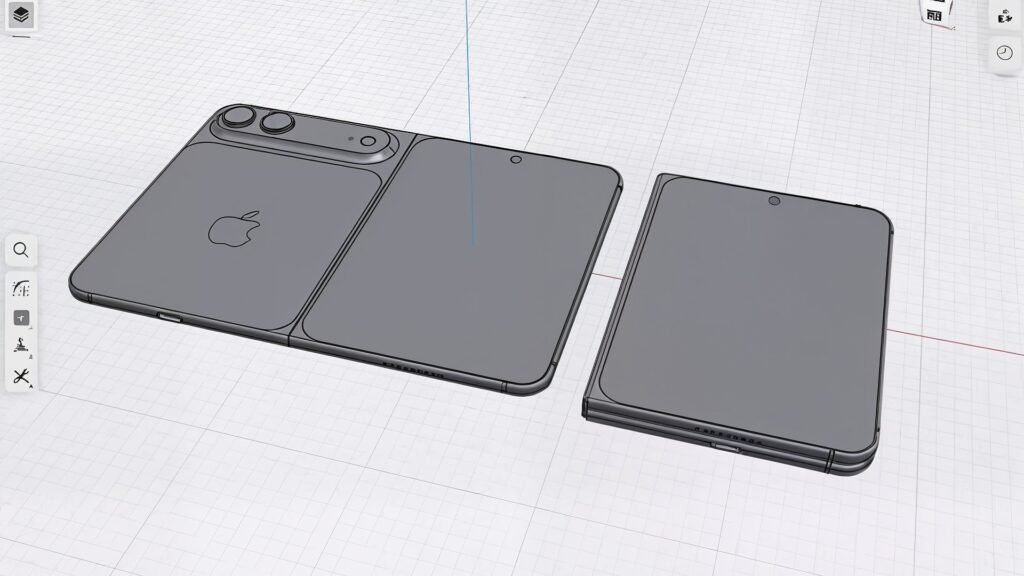
Leaked CAD files have provided a detailed glimpse into the anticipated design of Apple’s iPhone Fold, which is expected to launch in fall 2026. This new report illustrates a device integrating advanced features such as a horizontal camera module, a side-mounted Touch ID sensor, and a unique hinge constructed from liquid metal.
Design Features and Innovations
The tech community has long speculated about Apple’s entry into the folding smartphone market, and these CAD files, typically utilized for accessory production, mark a significant step toward reality. The design, set to debut alongside the iPhone 18 series, showcases an asymmetrical aesthetic that differentiates it from existing competitors.
Notably, the case features rounded corners on two sides, while the hinge side sports angular edges. This design choice could enhance the folding mechanism’s functionality and contribute to a distinctive visual identity. The rear camera setup includes two lenses and a flash, arranged horizontally, which bears resemblance to the anticipated design of the iPhone Air 2.
Technical Specifications and Market Position
According to leaker Sonny Dickson, these images corroborate prevailing supply chain rumors. When fully opened, the device boasts a substantial display that is nearly uninterrupted, save for a small cutout for the front camera positioned in the upper left corner. This design aims to offer a tablet-like experience in a more compact form.
In terms of specifications, analysts project a retail price of approximately $2,000, placing the iPhone Fold firmly in the premium segment of the smartphone market. Key features expected include:
- Displays: A 7.8-inch internal display and a compact external display ranging from 5.3 to 5.5 inches.
- Performance: Utilization of the A20 Pro chip and 12 gigabytes of RAM.
- Materials: A hinge crafted from titanium and liquid metal for enhanced durability.
- Security: A side-mounted Touch ID sensor designed to maintain a slim profile, foregoing Face ID.
The use of liquid metal is particularly noteworthy, as Apple holds patents for these amorphous metal alloys, which are known for their strength and elasticity compared to traditional metals. This innovation could significantly improve the folding mechanism, addressing past challenges associated with crease visibility in earlier folding smartphones.
Apple has been investigating flexible materials for over a decade, with early applications seen in minor components like the SIM card ejector tool of the iPhone 3G. Current advancements suggest that this technology is now being applied to larger, structural components, reflecting the company’s ongoing commitment to innovation.
While the final design remains unconfirmed until an official announcement, the early details hint at a fresh approach to smartphone design that could reshape consumer expectations in the folding device market.

Philadelphia Parks Launch Free Earth Month Events Starting April 1

Bradford’s Fish Fry Fridays Serve Community with Delicious Dinners

Trump Faces Growing Challenges Amid Rising Tensions with Iran

Scientists Probe the Universe’s Missing Topological Defects

Samsung Galaxy Watch 9 to Feature Larger 435mAh Battery

UConn Huskies Aim to Defend Title in 2026 NCAA Women’s Tournament

U.S. Littoral Combat Ships Dock in Malaysia Amid Regional Tensions

Healthy Choice Wellness Reports Quarterly Earnings, Shares Rise

Urgent News: Charles M. Payment Passes Away at 78 in Duluth

University of Hawaiʻi Joins $25.6M AI Project to Enhance Disaster Monitoring

Major Grant Enhances Cancer Care and Research in Hawaiʻi

Joleen Chaney, Beloved Journalist, Passes Leaving Lasting Legacy

San Francisco’s SFO to Welcome 16 Airlines with Nonstop Flights to Europe in 2026

Goldman Sachs Unveils 2026 Catalyst Playbook for Biotech Investors

Discover Top Business Smartphones for Professionals in 2026

Urgent Update: Tom Aspinall’s Vision Deteriorates After UFC 321

Texas Roadhouse Honors Veterans with Free Meal Vouchers

CD Projekt Red Confirms No Release for The Witcher 4 in 2026
-
Science9 months ago
University of Hawaiʻi Joins $25.6M AI Project to Enhance Disaster Monitoring
-
 Health8 months ago
Major Grant Enhances Cancer Care and Research in Hawaiʻi
-
 Top Stories9 months ago
Joleen Chaney, Beloved Journalist, Passes Leaving Lasting Legacy
-
 World7 months ago
San Francisco’s SFO to Welcome 16 Airlines with Nonstop Flights to Europe in 2026
-
 Business8 months ago
Goldman Sachs Unveils 2026 Catalyst Playbook for Biotech Investors
-
 Business7 months ago
Discover Top Business Smartphones for Professionals in 2026
-
 Top Stories9 months ago
Urgent Update: Tom Aspinall’s Vision Deteriorates After UFC 321
-
 Lifestyle9 months ago
Texas Roadhouse Honors Veterans with Free Meal Vouchers
-
 Entertainment8 months ago
CD Projekt Red Confirms No Release for The Witcher 4 in 2026
-

 Top Stories10 months ago
AI Disruption: AWS Faces Threat as Startups Shift Cloud Focus
-

 Health10 months ago
MIT Scientists Uncover Surprising Genomic Loops During Cell Division
-

 Entertainment10 months ago
Discover the Full Map of Pokémon Legends: Z-A’s Lumiose City