
Science
How China’s Influence Alters Western Academic Research

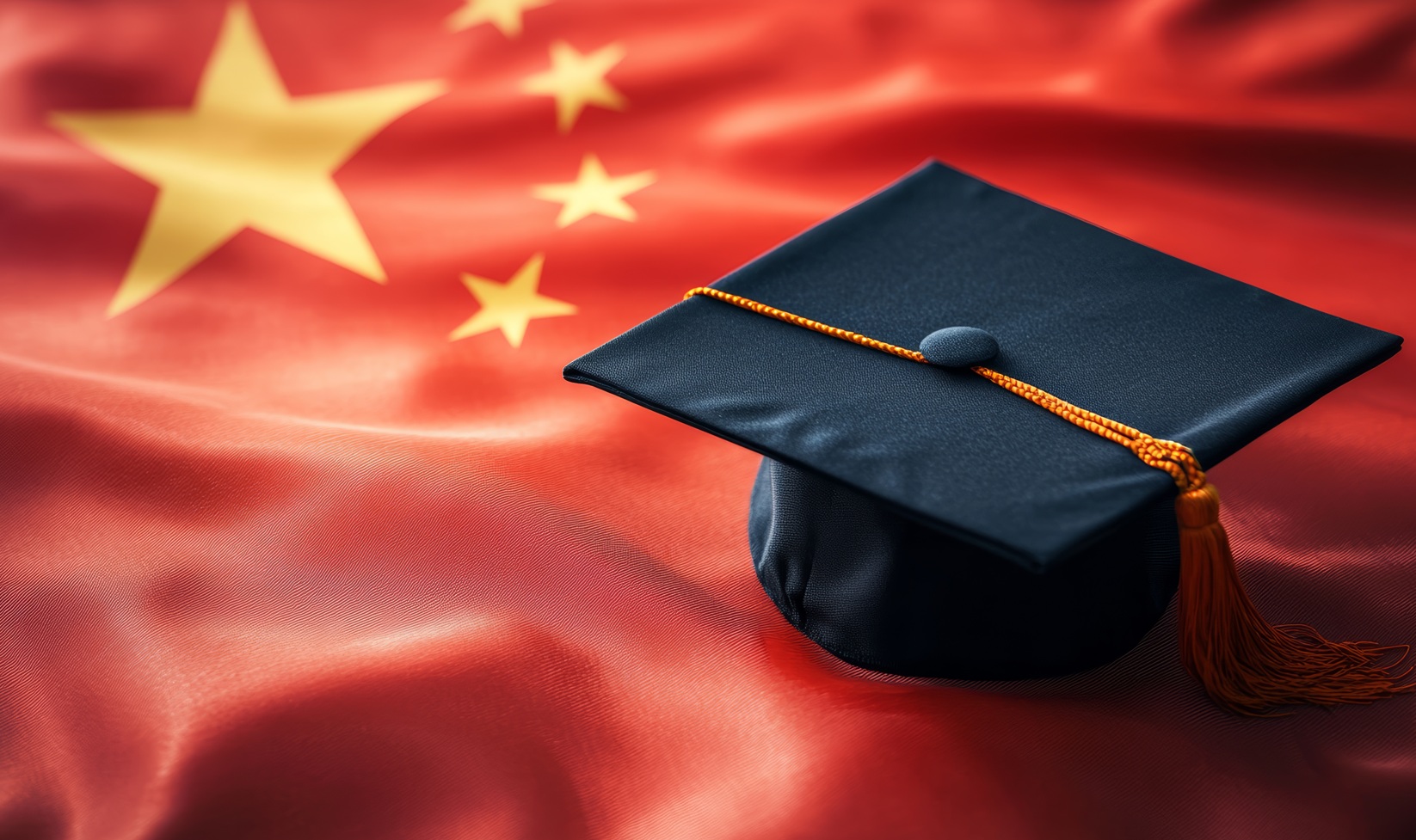
The intricate relationship between geopolitics and academic research is under scrutiny, particularly regarding China’s influence on Western scholarship. In a compelling article for The James G. Martin Center for Academic Renewal, Dr. Bruce Gilley argues that the Chinese political system is fundamentally altering the landscape of academic integrity in the West. He asserts that the current environment, shaped by President Xi Jinping, prioritizes loyalty and quantity of output over the essential values of intellectual honesty and rigorous inquiry.
China’s Academic Landscape
Dr. Gilley highlights the expansive nature of China’s academic sector and the troubling incentives that accompany it. With an emphasis on publication numbers, practices such as paper mills and citation cartels flourish. As more Chinese scholars secure positions in Western universities, the pressures and ethical dilemmas inherent in China’s research culture begin to permeate academic environments outside its borders. Gilley uses Xi Jinping‘s own controversial doctoral work at Tsinghua University as a pivotal example, illustrating how scholarship can become an extension of state interests rather than a pursuit of knowledge.
This infiltration of Chinese academic practices raises significant questions about the integrity of research produced in Western institutions. The influence extends beyond individual scholars to entire departments, with many Western universities opting to hire Chinese nationals for roles focused on China-related subjects. This trend can introduce political sensitivities that complicate the research landscape, potentially skewing the objectivity that is traditionally valued in Western scholarship.
Challenges Facing Western Academia
The growing collaboration between U.S. universities and Chinese research labs further complicates matters. These partnerships often lead to joint studies in advanced fields such as artificial intelligence. While these collaborations can yield innovative results, they also raise concerns about the underlying motivations and pressures that accompany them. Gilley warns that the academic community must navigate the fine line between fostering international cooperation and preserving the principles of open inquiry that define Western academia.
As the debate unfolds, calls to limit academic cooperation with China frequently spark accusations of racism or intellectual isolationism. Yet, Gilley contends that the crux of the issue lies in the clash between a politically controlled research system and the open traditions of Western scholarship. The challenge becomes determining how open academic systems can remain when the incentives from one side diverge significantly from those of the other.
Dr. Gilley’s article, titled “How China Corrupts Academic Research,” brings these critical questions to the forefront, urging scholars and institutions to contemplate the deeper implications of their academic partnerships. The intersection of politics and research is a complex terrain that requires careful navigation, particularly as the global academic community continues to grapple with the realities of geopolitical influence.

Philadelphia Parks Launch Free Earth Month Events Starting April 1

Bradford’s Fish Fry Fridays Serve Community with Delicious Dinners

Trump Faces Growing Challenges Amid Rising Tensions with Iran

Scientists Probe the Universe’s Missing Topological Defects

Samsung Galaxy Watch 9 to Feature Larger 435mAh Battery

UConn Huskies Aim to Defend Title in 2026 NCAA Women’s Tournament

U.S. Littoral Combat Ships Dock in Malaysia Amid Regional Tensions

Healthy Choice Wellness Reports Quarterly Earnings, Shares Rise

Urgent News: Charles M. Payment Passes Away at 78 in Duluth

University of Hawaiʻi Joins $25.6M AI Project to Enhance Disaster Monitoring

Major Grant Enhances Cancer Care and Research in Hawaiʻi

Joleen Chaney, Beloved Journalist, Passes Leaving Lasting Legacy

San Francisco’s SFO to Welcome 16 Airlines with Nonstop Flights to Europe in 2026

Goldman Sachs Unveils 2026 Catalyst Playbook for Biotech Investors

Discover Top Business Smartphones for Professionals in 2026

Urgent Update: Tom Aspinall’s Vision Deteriorates After UFC 321

Texas Roadhouse Honors Veterans with Free Meal Vouchers

CD Projekt Red Confirms No Release for The Witcher 4 in 2026
-
Science9 months ago
University of Hawaiʻi Joins $25.6M AI Project to Enhance Disaster Monitoring
-
 Health8 months ago
Major Grant Enhances Cancer Care and Research in Hawaiʻi
-
 Top Stories9 months ago
Joleen Chaney, Beloved Journalist, Passes Leaving Lasting Legacy
-
 World7 months ago
San Francisco’s SFO to Welcome 16 Airlines with Nonstop Flights to Europe in 2026
-
 Business8 months ago
Goldman Sachs Unveils 2026 Catalyst Playbook for Biotech Investors
-
 Business7 months ago
Discover Top Business Smartphones for Professionals in 2026
-
 Top Stories9 months ago
Urgent Update: Tom Aspinall’s Vision Deteriorates After UFC 321
-
 Lifestyle9 months ago
Texas Roadhouse Honors Veterans with Free Meal Vouchers
-
 Entertainment8 months ago
CD Projekt Red Confirms No Release for The Witcher 4 in 2026
-

 Top Stories10 months ago
AI Disruption: AWS Faces Threat as Startups Shift Cloud Focus
-

 Health10 months ago
MIT Scientists Uncover Surprising Genomic Loops During Cell Division
-

 Entertainment10 months ago
Discover the Full Map of Pokémon Legends: Z-A’s Lumiose City