
Science
Eli Lilly Unveils $3.5 Billion Plant in Pennsylvania’s Lehigh Valley

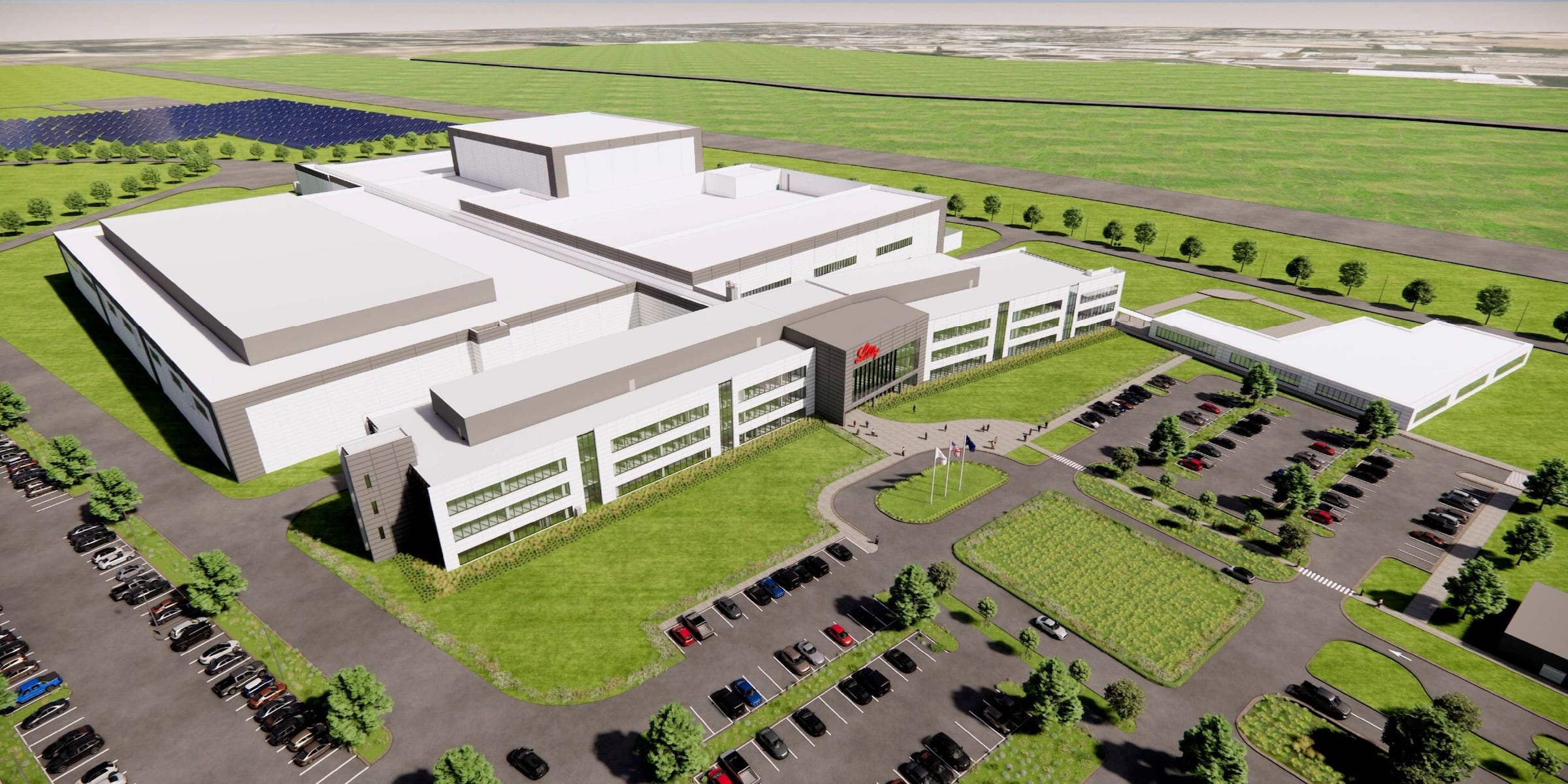
Eli Lilly has announced a significant investment in Pennsylvania with plans for a new pharmaceutical plant in Upper Macungie Township, valued at $3.5 billion. This decision marks a major turnaround for the state, which previously lost out on a similar project just six months ago. Pennsylvania Governor Josh Shapiro played a pivotal role in reviving the state’s bid, directly engaging with Eli Lilly’s CEO, Dave Ricks, to discuss the advantages of locating in the Lehigh Valley.
The new facility is part of Eli Lilly’s broader $50 billion capital investment strategy and is one of four multi-billion-dollar projects announced by the company in recent months. Out of 300 applications, the Lehigh Valley and three other locations emerged as the chosen sites. Speaking at the announcement event, Shapiro emphasized the extraordinary impact of this investment, labeling it the largest life sciences investment in Pennsylvania’s history and the biggest regional economic investment in the 30-year history of the Lehigh Valley Economic Development Corporation.
Economic Impact and Job Creation
The announcement drew a crowd of over 200 people at the Da Vinci Science Center in Allentown, where speakers highlighted the transformative potential of the project. Eli Lilly’s new plant is expected to create approximately 2,850 jobs, including 2,000 construction jobs during the development phase. Ricks indicated that the average salary for employees at Lilly facilities is around $100,000 per year, underscoring the high value of the jobs being created.
Shapiro noted that the state has committed $5 million for training programs at community colleges and trade schools to equip local workers with the necessary skills for employment at the plant. Additionally, $100 million in economic development incentives have been allocated to attract Eli Lilly to the region. The site at 9802 Main St. in Fogelsville is also set to benefit from a new interchange off Interstate 78, facilitating better access to the plant.
Innovative Drug Development
The facility will focus on producing weight-loss medications, including Zepbound and Retatrutide, the latter of which is currently awaiting approval from the U.S. Food and Drug Administration (FDA). Ricks expressed confidence in the project, stating that despite the risk of proceeding before receiving FDA approval for Retatrutide, the nature of the pharmaceutical business necessitates such risks. He aims to submit the application for approval by the end of 2026, with hopes for a launch in 2027.
Ricks highlighted the urgency within the pharmaceutical sector, noting that “the currency of business for us is about time.” He stressed the importance of developing effective treatments for obesity, a condition affecting seven out of ten Americans. By addressing obesity, Ricks believes that Eli Lilly can significantly improve health outcomes for millions of individuals.
The collaborative efforts of local stakeholders have been instrumental in bringing this project to fruition. The Lehigh Valley Economic Development Corporation’s CEO, Don Cunningham, was credited for rallying support from various entities, including landowner David Jaindl, officials from Upper Macungie Township, the Parkland School District, and regional utility companies like PPL Electric Utilities and UGI gas.
This investment not only positions Pennsylvania as a leader in the life sciences sector but also reinforces the state’s historical significance in manufacturing, which dates back to the days of Bethlehem Steel and the region’s silk mills. Currently, 100,000 Pennsylvanians work in life sciences, with the state producing half of all vaccines in the United States and ranking fourth in life sciences research and development spending among U.S. universities.
Shapiro concluded by affirming Pennsylvania’s commitment to maintaining its status as a manufacturing hub for cutting-edge medications, ensuring that the state continues to play a vital role in the future of healthcare. The Eli Lilly facility is expected to commence operations by 2031, although Ricks is optimistic about shipping the first batch of medications within three years. This ambitious undertaking is not only a win for Eli Lilly but also a significant boost for the local economy and workforce.

Philadelphia Parks Launch Free Earth Month Events Starting April 1

Bradford’s Fish Fry Fridays Serve Community with Delicious Dinners

Trump Faces Growing Challenges Amid Rising Tensions with Iran

Scientists Probe the Universe’s Missing Topological Defects

Samsung Galaxy Watch 9 to Feature Larger 435mAh Battery

UConn Huskies Aim to Defend Title in 2026 NCAA Women’s Tournament

U.S. Littoral Combat Ships Dock in Malaysia Amid Regional Tensions

Healthy Choice Wellness Reports Quarterly Earnings, Shares Rise

Urgent News: Charles M. Payment Passes Away at 78 in Duluth

University of Hawaiʻi Joins $25.6M AI Project to Enhance Disaster Monitoring

Major Grant Enhances Cancer Care and Research in Hawaiʻi

Joleen Chaney, Beloved Journalist, Passes Leaving Lasting Legacy

San Francisco’s SFO to Welcome 16 Airlines with Nonstop Flights to Europe in 2026

Goldman Sachs Unveils 2026 Catalyst Playbook for Biotech Investors

Discover Top Business Smartphones for Professionals in 2026

Urgent Update: Tom Aspinall’s Vision Deteriorates After UFC 321

Texas Roadhouse Honors Veterans with Free Meal Vouchers

CD Projekt Red Confirms No Release for The Witcher 4 in 2026
-
Science9 months ago
University of Hawaiʻi Joins $25.6M AI Project to Enhance Disaster Monitoring
-
 Health8 months ago
Major Grant Enhances Cancer Care and Research in Hawaiʻi
-
 Top Stories9 months ago
Joleen Chaney, Beloved Journalist, Passes Leaving Lasting Legacy
-
 World7 months ago
San Francisco’s SFO to Welcome 16 Airlines with Nonstop Flights to Europe in 2026
-
 Business8 months ago
Goldman Sachs Unveils 2026 Catalyst Playbook for Biotech Investors
-
 Business7 months ago
Discover Top Business Smartphones for Professionals in 2026
-
 Top Stories9 months ago
Urgent Update: Tom Aspinall’s Vision Deteriorates After UFC 321
-
 Lifestyle9 months ago
Texas Roadhouse Honors Veterans with Free Meal Vouchers
-
 Entertainment8 months ago
CD Projekt Red Confirms No Release for The Witcher 4 in 2026
-

 Top Stories10 months ago
AI Disruption: AWS Faces Threat as Startups Shift Cloud Focus
-

 Health10 months ago
MIT Scientists Uncover Surprising Genomic Loops During Cell Division
-

 Entertainment10 months ago
Discover the Full Map of Pokémon Legends: Z-A’s Lumiose City