
Science
Researchers Uncover Complex DNA Codes in Unicellular Organisms

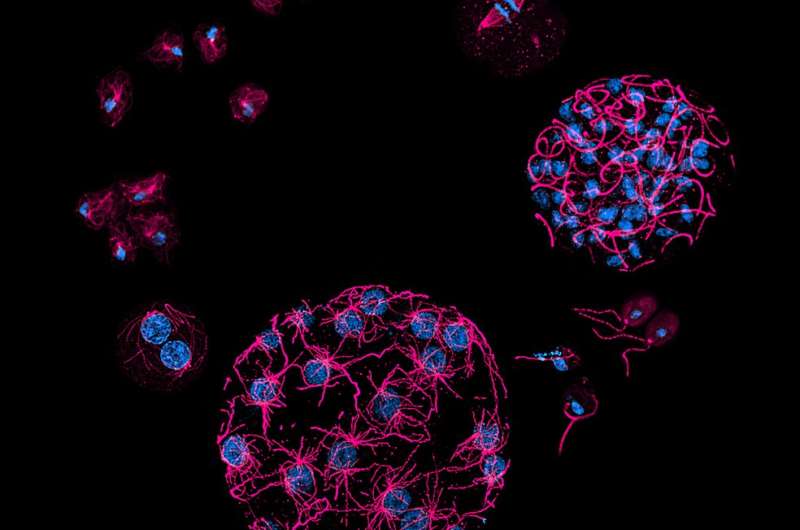
Research from Queen Mary University of London has revealed that unicellular organisms possess a surprisingly complex DNA epigenetic code, surpassing some aspects of multicellular life. This groundbreaking study, published in Nature Genetics on November 18, 2025, challenges the long-held belief that molecular complexity correlates with the complexity of the organism.
New Insights into DNA Methylation
Traditionally, it has been accepted that multicellular organisms, including animals, plants, and humans, are capable of methylating the cytosine base in their DNA. This methylation process is an essential epigenetic modification that influences crucial biological functions such as aging and the development of diseases like cancer.
However, the research team, led by Dr. Alex de Mendoza, a Reader in Evolutionary Epigenomics, discovered that many unicellular organisms are not only capable of cytosine methylation but also methylate the adenine base. This finding suggests that these seemingly simpler organisms exhibit a higher level of complexity in their genetic regulation than previously understood.
The study indicates that the methylation of adenine is vital for determining which genes are activated, directly impacting the survival of these unicellular organisms. This revelation opens new avenues for understanding gene regulation across different life forms.
Implications for Disease Treatment
The implications of this research extend beyond basic science. Many unicellular organisms are parasites that can harm animals, plants, and humans. By targeting the methylation processes specific to these organisms, there is potential for new treatments that could disrupt their ability to infect hosts.
As Dr. de Mendoza noted, “This discovery reveals that some unicellular eukaryotes have more intricate DNA methylation systems than multicellular organisms, overturning the assumption that molecular complexity increases with organismal complexity.” He emphasized the significance of these findings, both from an evolutionary perspective and for their potential applications in developing treatments against diseases caused by protists such as Trichomonas and Blastocystis, as well as the notorious ‘brain-eating amoeba.’
While the development of specific drugs targeting these methylation pathways remains a future endeavor, this research paves the way for innovative approaches in combating parasitic infections. The findings underscore the need for further investigation into the epigenetic mechanisms at play in unicellular life forms.
For more information, refer to the study titled “Adenine DNA methylation associated with transcriptionally permissive chromatin is widespread across eukaryotes,” published in Nature Genetics. The full citation can be found at DOI: 10.1038/s41588-025-02409-6.

Philadelphia Parks Launch Free Earth Month Events Starting April 1

Bradford’s Fish Fry Fridays Serve Community with Delicious Dinners

Trump Faces Growing Challenges Amid Rising Tensions with Iran

Scientists Probe the Universe’s Missing Topological Defects

Samsung Galaxy Watch 9 to Feature Larger 435mAh Battery

UConn Huskies Aim to Defend Title in 2026 NCAA Women’s Tournament

U.S. Littoral Combat Ships Dock in Malaysia Amid Regional Tensions

Healthy Choice Wellness Reports Quarterly Earnings, Shares Rise

Urgent News: Charles M. Payment Passes Away at 78 in Duluth

University of Hawaiʻi Joins $25.6M AI Project to Enhance Disaster Monitoring

Major Grant Enhances Cancer Care and Research in Hawaiʻi

Joleen Chaney, Beloved Journalist, Passes Leaving Lasting Legacy

San Francisco’s SFO to Welcome 16 Airlines with Nonstop Flights to Europe in 2026

Goldman Sachs Unveils 2026 Catalyst Playbook for Biotech Investors

Discover Top Business Smartphones for Professionals in 2026

Urgent Update: Tom Aspinall’s Vision Deteriorates After UFC 321

Texas Roadhouse Honors Veterans with Free Meal Vouchers

CD Projekt Red Confirms No Release for The Witcher 4 in 2026
-
Science9 months ago
University of Hawaiʻi Joins $25.6M AI Project to Enhance Disaster Monitoring
-
 Health8 months ago
Major Grant Enhances Cancer Care and Research in Hawaiʻi
-
 Top Stories9 months ago
Joleen Chaney, Beloved Journalist, Passes Leaving Lasting Legacy
-
 World7 months ago
San Francisco’s SFO to Welcome 16 Airlines with Nonstop Flights to Europe in 2026
-
 Business8 months ago
Goldman Sachs Unveils 2026 Catalyst Playbook for Biotech Investors
-
 Business7 months ago
Discover Top Business Smartphones for Professionals in 2026
-
 Top Stories9 months ago
Urgent Update: Tom Aspinall’s Vision Deteriorates After UFC 321
-
 Lifestyle9 months ago
Texas Roadhouse Honors Veterans with Free Meal Vouchers
-
 Entertainment8 months ago
CD Projekt Red Confirms No Release for The Witcher 4 in 2026
-

 Top Stories10 months ago
AI Disruption: AWS Faces Threat as Startups Shift Cloud Focus
-

 Health10 months ago
MIT Scientists Uncover Surprising Genomic Loops During Cell Division
-

 Entertainment10 months ago
Discover the Full Map of Pokémon Legends: Z-A’s Lumiose City