
Science
Shark Bite Incidents Surge Following Heavy Rainfall and Runoff

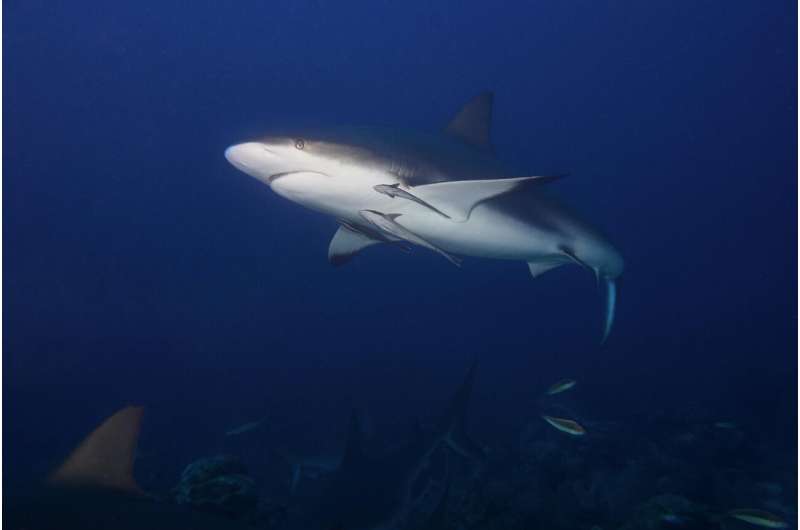
Recent shark bite incidents in Australia have raised alarm, occurring in close succession and garnering significant media attention. While headlines often evoke fear and focus on the notorious great white shark, research indicates that the situation is far more complex. A closer examination reveals that many of these incidents are linked to environmental factors, particularly heavy rainfall and runoff, which shift coastal ecosystems and alter shark behavior.
Studies conducted by researchers, including those from Nottingham Trent University, highlight that many of the recent shark attacks near Sydney Harbour are attributed to bull sharks (Carcharhinus leucas) rather than great whites. Unlike their larger counterparts, bull sharks thrive in murky, low-visibility waters and are known to enter rivers and estuaries. This adaptability allows them to capitalize on changing prey distributions, particularly in areas affected by flooding.
The connection between increased rainfall and shark bite incidents is underscored by the fact that many attacks occur near shorelines, especially around estuaries. The rise in extreme weather events, a consequence of climate change, has led to flooding, which affects salinity and visibility in coastal environments. Such conditions attract bull sharks, as their prey becomes displaced into these nutrient-rich floodwaters.
Research shows that bull sharks are drawn to regions like Sydney Harbour during warmer months, coinciding with elevated water temperatures and increased freshwater inflow. In contrast, great white sharks prefer cooler, clearer waters for hunting and are less likely to enter murkier environments created by heavy rainfall.
According to marine ecologists, these changes in shark movement patterns are not indicative of a population increase among great whites. Instead, satellite tagging studies reveal that their presence is closely linked to the distribution of prey and specific oceanographic conditions. As oceans warm, the seasonal patterns of great whites shift, leading to their presence appearing more frequent in certain areas.
Despite the growing number of reported shark bites, experts emphasize that most incidents are cases of mistaken identity or exploratory behavior by sharks. The misconception that sharks intentionally hunt humans is persistent, yet decades of research indicate that many bites result from curiosity rather than aggression.
In low-visibility conditions, sharks rely on senses beyond sight, such as electroreception. Great whites often display a “bite-and-release” behavior, meaning that encounters frequently involve a single bite before the shark disengages. While this behavior can still result in serious injuries or fatalities due to the shark’s size, it demonstrates that many interactions are not predatory in nature.
The overlap between human activities and shark habitats further complicates the issue. Urban runoff, altered river systems, and fishing activities can significantly influence where prey species congregate. Following heavy rainfall, discarded fishing bait and nutrient runoff attract various fish species to nearshore waters, thereby increasing the likelihood of shark encounters. Researchers have repeatedly identified swimming or surfing near river mouths after floods as high-risk activities due to this dynamic.
It is important to note that while the number of unprovoked shark attacks appears to be on the rise, this trend correlates with a growing human population and increased ocean activity. When considering the size of the global population, the rate of unprovoked shark attacks per million people remains relatively stable and low.
Framing shark bites simply as evidence of a renewed threat from sharks detracts from critical inquiries regarding environmental conditions and human impact on coastal ecosystems. Addressing these issues requires a nuanced understanding of how climate change and human behavior intersect with shark presence near beaches.
As the ocean environment continues to evolve, so too must our relationship with its apex predators. Rather than perceiving every shark bite as a sign of aggression, it is essential to recognize the broader ecological context and take responsibility for the changes we can make. The future of both sharks and human safety may depend on our ability to adapt to these environmental shifts.

Philadelphia Parks Launch Free Earth Month Events Starting April 1

Bradford’s Fish Fry Fridays Serve Community with Delicious Dinners

Trump Faces Growing Challenges Amid Rising Tensions with Iran

Scientists Probe the Universe’s Missing Topological Defects

Samsung Galaxy Watch 9 to Feature Larger 435mAh Battery

UConn Huskies Aim to Defend Title in 2026 NCAA Women’s Tournament

U.S. Littoral Combat Ships Dock in Malaysia Amid Regional Tensions

Healthy Choice Wellness Reports Quarterly Earnings, Shares Rise

Urgent News: Charles M. Payment Passes Away at 78 in Duluth

University of Hawaiʻi Joins $25.6M AI Project to Enhance Disaster Monitoring

Major Grant Enhances Cancer Care and Research in Hawaiʻi

Joleen Chaney, Beloved Journalist, Passes Leaving Lasting Legacy

San Francisco’s SFO to Welcome 16 Airlines with Nonstop Flights to Europe in 2026

Goldman Sachs Unveils 2026 Catalyst Playbook for Biotech Investors

Discover Top Business Smartphones for Professionals in 2026

Urgent Update: Tom Aspinall’s Vision Deteriorates After UFC 321

Texas Roadhouse Honors Veterans with Free Meal Vouchers

CD Projekt Red Confirms No Release for The Witcher 4 in 2026
-
Science9 months ago
University of Hawaiʻi Joins $25.6M AI Project to Enhance Disaster Monitoring
-
 Health8 months ago
Major Grant Enhances Cancer Care and Research in Hawaiʻi
-
 Top Stories9 months ago
Joleen Chaney, Beloved Journalist, Passes Leaving Lasting Legacy
-
 World7 months ago
San Francisco’s SFO to Welcome 16 Airlines with Nonstop Flights to Europe in 2026
-
 Business8 months ago
Goldman Sachs Unveils 2026 Catalyst Playbook for Biotech Investors
-
 Business7 months ago
Discover Top Business Smartphones for Professionals in 2026
-
 Top Stories9 months ago
Urgent Update: Tom Aspinall’s Vision Deteriorates After UFC 321
-
 Lifestyle9 months ago
Texas Roadhouse Honors Veterans with Free Meal Vouchers
-
 Entertainment8 months ago
CD Projekt Red Confirms No Release for The Witcher 4 in 2026
-

 Top Stories10 months ago
AI Disruption: AWS Faces Threat as Startups Shift Cloud Focus
-

 Health10 months ago
MIT Scientists Uncover Surprising Genomic Loops During Cell Division
-

 Entertainment10 months ago
Discover the Full Map of Pokémon Legends: Z-A’s Lumiose City