
World
U.S.-Israeli Strikes Kill Khamenei, Ignite Fury in South Asia

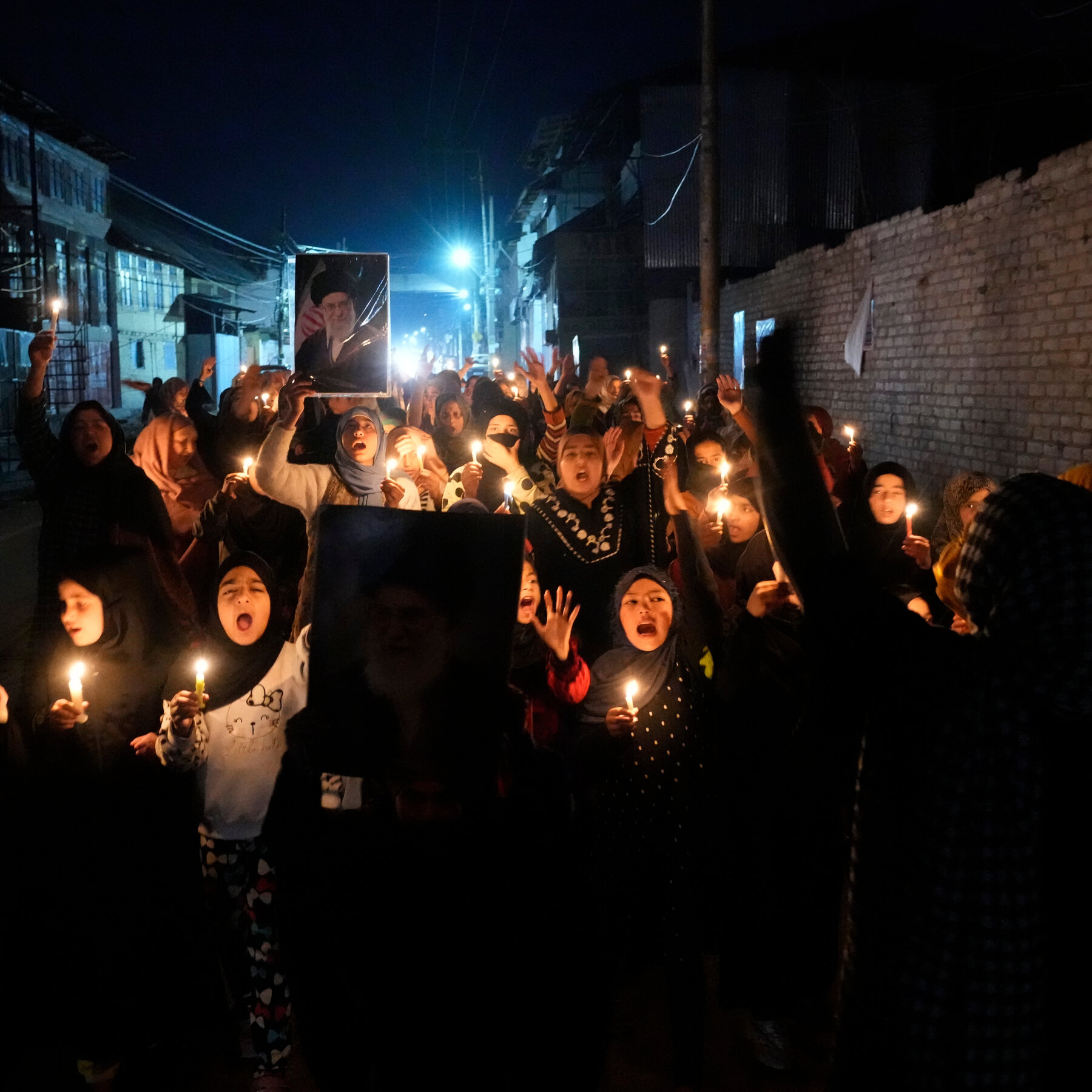
The death of Ayatollah Ali Khamenei during recent strikes carried out by the United States and Israel has triggered widespread anger and grief among Shiite Muslims across South Asia, particularly in Pakistan and India. Khamenei, who held significant influence over millions of Shiite followers, was killed on October 7, 2023, leading to immediate and intense reactions from communities that revered him.
His passing marks a pivotal moment in the region, with many viewing it as a direct attack on their faith and identity. Khamenei, the Supreme Leader of Iran, was a central figure in the Shiite world and a symbol of resistance against perceived Western imperialism. His leadership shaped the religious and political landscape for Shiite Muslims, and his loss is seen as a significant blow.
In Pakistan, where Shiite Muslims constitute a substantial minority, protests erupted in major cities including Karachi and Lahore. Demonstrators expressed their outrage at the attacks, condemning both the U.S. and Israeli governments for their roles in Khamenei’s death. Many carried placards bearing messages of solidarity with Iran while chanting slogans denouncing the strikes.
Emotional Responses and Calls for Justice
The emotional toll of Khamenei’s assassination has reverberated throughout the Shiite community. Religious leaders and political figures in Pakistan have called for unity among Muslims, urging followers to stand against what they perceive as an infringement on their rights. Abdul Khaliq, a prominent Shiite cleric, stated, “We will not remain silent in the face of oppression. The blood of our leader will not go unpunished.”
In India, similar sentiments echoed as Shiite organizations organized memorial services. Thousands gathered in cities such as Delhi and Hyderabad to pay their respects. Many attendees expressed a deep sense of loss, with some describing Khamenei as a guiding light for Shiite Muslims worldwide. The Indian government has urged calm and restraint, emphasizing the importance of maintaining peace and stability in the region.
The international community is closely monitoring the situation, with fears that the unrest could escalate into broader sectarian violence. Analysts suggest that the strikes may have far-reaching implications, potentially altering the dynamics of Shiite-Sunni relations, especially in countries with significant Muslim populations.
Long-term Consequences for Regional Politics
Khamenei’s death has raised questions about the future leadership of Iran and its influence in the region. Experts predict that Iran may rally its supporters in response to the strikes, possibly increasing tensions with neighboring countries and the West. The geopolitical landscape in South Asia may shift as governments reassess their strategies in light of this significant event.
As the situation develops, the Shiite communities in Pakistan and India are likely to remain at the forefront of the protests. Khamenei’s legacy as a leader who championed Shiite rights and resistance against external pressures will continue to resonate, fueling ongoing discussions about identity, faith, and political power in the region.
The death of Ayatollah Khamenei represents not just a loss for Iran, but a potential turning point for Shiite Muslims in South Asia, prompting urgent calls for solidarity and justice in the face of adversity.

Philadelphia Parks Launch Free Earth Month Events Starting April 1

Bradford’s Fish Fry Fridays Serve Community with Delicious Dinners

Trump Faces Growing Challenges Amid Rising Tensions with Iran

Scientists Probe the Universe’s Missing Topological Defects

Samsung Galaxy Watch 9 to Feature Larger 435mAh Battery

UConn Huskies Aim to Defend Title in 2026 NCAA Women’s Tournament

U.S. Littoral Combat Ships Dock in Malaysia Amid Regional Tensions

Healthy Choice Wellness Reports Quarterly Earnings, Shares Rise

Urgent News: Charles M. Payment Passes Away at 78 in Duluth

University of Hawaiʻi Joins $25.6M AI Project to Enhance Disaster Monitoring

Major Grant Enhances Cancer Care and Research in Hawaiʻi

Joleen Chaney, Beloved Journalist, Passes Leaving Lasting Legacy

San Francisco’s SFO to Welcome 16 Airlines with Nonstop Flights to Europe in 2026

Goldman Sachs Unveils 2026 Catalyst Playbook for Biotech Investors

Discover Top Business Smartphones for Professionals in 2026

Urgent Update: Tom Aspinall’s Vision Deteriorates After UFC 321

Texas Roadhouse Honors Veterans with Free Meal Vouchers

CD Projekt Red Confirms No Release for The Witcher 4 in 2026
-
Science9 months ago
University of Hawaiʻi Joins $25.6M AI Project to Enhance Disaster Monitoring
-
 Health8 months ago
Major Grant Enhances Cancer Care and Research in Hawaiʻi
-
 Top Stories9 months ago
Joleen Chaney, Beloved Journalist, Passes Leaving Lasting Legacy
-
 World7 months ago
San Francisco’s SFO to Welcome 16 Airlines with Nonstop Flights to Europe in 2026
-
 Business8 months ago
Goldman Sachs Unveils 2026 Catalyst Playbook for Biotech Investors
-
 Business8 months ago
Discover Top Business Smartphones for Professionals in 2026
-
 Top Stories9 months ago
Urgent Update: Tom Aspinall’s Vision Deteriorates After UFC 321
-
 Lifestyle9 months ago
Texas Roadhouse Honors Veterans with Free Meal Vouchers
-
 Entertainment8 months ago
CD Projekt Red Confirms No Release for The Witcher 4 in 2026
-

 Top Stories10 months ago
AI Disruption: AWS Faces Threat as Startups Shift Cloud Focus
-

 Health10 months ago
MIT Scientists Uncover Surprising Genomic Loops During Cell Division
-

 Entertainment10 months ago
Discover the Full Map of Pokémon Legends: Z-A’s Lumiose City