
Science
Discover India’s Affordable Budget Cars with Impressive Features

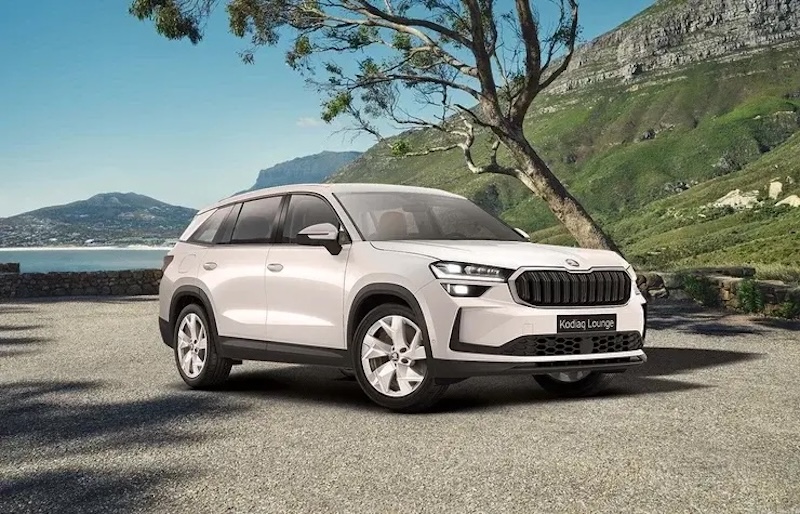
The automotive landscape in India is witnessing a significant transformation as budget car buyers increasingly seek advanced features without breaking the bank. A recent exploration by Mera Gadi highlights how the market has evolved, showcasing vehicles that offer a blend of affordability, safety, and modern technology. This shift is reshaping consumer expectations and driving innovation within the automotive sector.
As of 2026, budget car buyers are no longer satisfied with merely purchasing a “first car.” Instead, they are demanding a comprehensive package that includes sophisticated technology, enhanced safety measures, and overall comfort. The changing preferences reflect a broader trend where affordability does not have to come at the expense of quality.
Key Players in the Budget Car Market
Several manufacturers are stepping up to meet this new demand. Companies like Tata Motors, Maruti Suzuki, and Hyundai are leading the charge with models that combine modern aesthetics with practical functionality. For instance, Tata’s Nexon has gained attention for its robust safety features and smart technology, all offered at a competitive price point starting around ₹7 lakh (approximately $8,500).
Maruti Suzuki continues to dominate the Indian automotive market with its popular Swift model, which balances performance and affordability. The Swift is equipped with advanced connectivity features, making it a preferred choice for tech-savvy consumers. Its price range typically falls between ₹6 lakh to ₹8 lakh (around $7,200 to $9,600), appealing to a wide demographic.
Consumer Expectations and Market Trends
Today’s consumers are well-informed and expect a lot from their vehicles. Safety has become a non-negotiable aspect, with features like airbags, anti-lock braking systems (ABS), and electronic stability control now standard in many budget models. This shift towards prioritizing safety reflects a broader societal focus on vehicle security, especially among families and young drivers.
Moreover, the integration of smart technology has enhanced the driving experience. Features such as touchscreen infotainment systems, Bluetooth connectivity, and even smartphone integration have become commonplace, elevating the appeal of budget cars. As a result, manufacturers are compelled to innovate continuously to remain competitive in this rapidly evolving market.
The demand for fuel efficiency is also reshaping the market. With rising fuel costs, budget-conscious consumers are increasingly prioritizing vehicles that offer better mileage. Models like the Hyundai Santro and Renault Kwid promise impressive fuel economy, often exceeding 20 km/l (approximately 47 mpg), making them attractive options for daily commuters.
In this context, the role of online platforms like Mera Gadi is crucial. They provide consumers with valuable insights and comparisons, making it easier to navigate the myriad of options available. By focusing on transparency and accessibility, these platforms empower buyers to make informed decisions.
The Indian automotive industry is at a pivotal point. As manufacturers respond to the evolving needs of budget car buyers, the emphasis on quality features at affordable prices is likely to shape the future of the market. With the right balance of innovation and consumer-centric design, these budget vehicles are set to redefine expectations and expand their reach in India.
In conclusion, the demand for budget cars equipped with modern features is reshaping India’s automotive landscape. As consumers continue to seek vehicles that offer both affordability and advanced capabilities, manufacturers are pushed to innovate and enhance their offerings. The journey of navigating this budget car market has only just begun, and it promises exciting developments for both manufacturers and consumers alike.

Philadelphia Parks Launch Free Earth Month Events Starting April 1

Bradford’s Fish Fry Fridays Serve Community with Delicious Dinners

Trump Faces Growing Challenges Amid Rising Tensions with Iran

Scientists Probe the Universe’s Missing Topological Defects

Samsung Galaxy Watch 9 to Feature Larger 435mAh Battery

UConn Huskies Aim to Defend Title in 2026 NCAA Women’s Tournament

U.S. Littoral Combat Ships Dock in Malaysia Amid Regional Tensions

Healthy Choice Wellness Reports Quarterly Earnings, Shares Rise

Urgent News: Charles M. Payment Passes Away at 78 in Duluth

University of Hawaiʻi Joins $25.6M AI Project to Enhance Disaster Monitoring

Major Grant Enhances Cancer Care and Research in Hawaiʻi

Joleen Chaney, Beloved Journalist, Passes Leaving Lasting Legacy

San Francisco’s SFO to Welcome 16 Airlines with Nonstop Flights to Europe in 2026

Goldman Sachs Unveils 2026 Catalyst Playbook for Biotech Investors

Discover Top Business Smartphones for Professionals in 2026

Urgent Update: Tom Aspinall’s Vision Deteriorates After UFC 321

Texas Roadhouse Honors Veterans with Free Meal Vouchers

CD Projekt Red Confirms No Release for The Witcher 4 in 2026
-
Science9 months ago
University of Hawaiʻi Joins $25.6M AI Project to Enhance Disaster Monitoring
-
 Health8 months ago
Major Grant Enhances Cancer Care and Research in Hawaiʻi
-
 Top Stories9 months ago
Joleen Chaney, Beloved Journalist, Passes Leaving Lasting Legacy
-
 World7 months ago
San Francisco’s SFO to Welcome 16 Airlines with Nonstop Flights to Europe in 2026
-
 Business8 months ago
Goldman Sachs Unveils 2026 Catalyst Playbook for Biotech Investors
-
 Business7 months ago
Discover Top Business Smartphones for Professionals in 2026
-
 Top Stories9 months ago
Urgent Update: Tom Aspinall’s Vision Deteriorates After UFC 321
-
 Lifestyle9 months ago
Texas Roadhouse Honors Veterans with Free Meal Vouchers
-
 Entertainment8 months ago
CD Projekt Red Confirms No Release for The Witcher 4 in 2026
-

 Top Stories10 months ago
AI Disruption: AWS Faces Threat as Startups Shift Cloud Focus
-

 Health10 months ago
MIT Scientists Uncover Surprising Genomic Loops During Cell Division
-

 Entertainment10 months ago
Discover the Full Map of Pokémon Legends: Z-A’s Lumiose City